|
|
A 60-year-old man from Mullinahone, Co Tipperary, appeared yesterday before Cork District Court following the seizure of 1.5kg of suspected heroin in Cork city.
Mr Philip Hicks, of Cois Na hAbhainn, Mullinahone, Thurles, Co. Tipperary faces charges of possessing heroin and possessing it for sale or supply at Upper Convent Road, Blackrock, on September 1st last.
At the September 3rd hearing yesyerday, Detective Garda Mr James Byrd said Mr Hicks made no reply when charged under caution. Gardaí did not object to bail.
Mr Justice David Waters granted bail subject to conditions including that Mr Hicks remain at his Mullinahone address, sign on three times weekly at Clonmel Garda Station and stay out of Cork except for court appearances and legal appointments. He must also surrender his passport and remain contactable by mobile phone.
Mr Hicks is due back before Cork District Court on October 1st, for directions from the Director of Public Prosecutions.
Co-accused Ms Sandra Byrne, of Upper Convent Road, faces the same drug charges and a separate money-laundering charge concerning €12,980. Gardaí told the court the cash was found concealed in a wash basket at her home.
Ms Byrne was refused bail and remanded in custody until September 10th.
The court heard that forensic examination of the suspected drugs was outstanding, thus presently the charges remain as allegations.
RTÉ has announced a new five-part drama based on the murder of popular Tipperary DJ Mr Bobby “Mr Moonlight” Ryan and the subsequent trial of Mr Patrick Quirke.
The Murder of “Mr Moonlight” will explore Mr Ryan’s disappearance in June of 2011 and the events that led to one of the longest-running murder trials in Irish history.
Mr Ryan’s body was discovered almost two years later in a disused underground tank on farmland outside Tipperary town. Mr Quirke was convicted of his murder in 2019 and sentenced to life imprisonment.
“Downton Abbey” actor Mr Brendan Coyle will portray Mr Bobby Ryan, with Ms Sinéad Keenan playing Ms Mary Lowry and Mr Owen McDonnell taking on the role of Mr Patrick Quirke.
Based on Ms Catherine Fegan’s book of the same name, the series aims to look beyond the headlines and place Mr Bobby Ryan and the impact of his death at the heart of the story.
The drama is due to air on RTÉ One and the RTÉ Player in 2027, with an exact release date yet to be confirmed.
The Irish Prison Service has launched its 2026 recruitment campaign for Prison Officer positions.
This is an opportunity to build a meaningful public-service career while helping to keep communities safe and supporting individuals through rehabilitation and positive change.
The role is demanding and challenging, but it is also highly rewarding. Prison Officers play an essential part in maintaining safe and secure prisons, while encouraging those in custody to make positive changes in their lives.
If you are responsible, resilient and motivated to make a difference, this could be the career for you.
Applications are being managed through Irish Prison Service and must be submitted by October 8th 2026.
Learn more about the competition and how to apply through the official Irish Prison Service website.
Please share this opportunity with anyone who may be interested.
New safety regulations for e-scooters will take effect on Friday next, September 4th 2026.
Under the regulations, anyone using an e-scooter in a public place must:
- Wear a helmet.
- Wear high-visibility clothing.
- Continue to comply with the existing minimum age of 16.
- Follow existing rules governing speed, equipment, passengers and where e-scooters may be used.
The measures follow a rise in serious injuries involving e-scooters, particularly head injuries among children. Gardaí will be able to identify breaches of the protective-equipment rules through roadside enforcement.
A €100 fixed-charge fine for offences including riding without a helmet is expected to be introduced separately in the coming weeks. It is therefore important not to describe that fine as taking effect on September 4th next.
The Government also plans to raise the minimum riding age from 16 years to 18 years. That change is not yet in force because it must first complete the European Union’s Technical Regulation Information System process. The process can take up to 12 weeks, with implementation expected before the end of 2026.
Charges associated with seized e-scooters are also due to increase in early October. Further proposals under consideration to possibly include insurance, licensing and registration requirements.
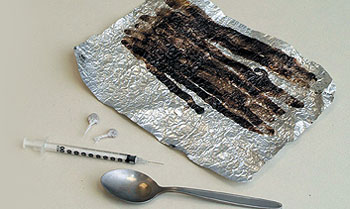
Adults found with a small quantity of controlled drugs for personal use may now be referred to the Health Service Executive instead of being prosecuted under Ireland’s new Health Referral Scheme.
The nationwide pilot scheme took effect on 1 September 2026. It gives An Garda Síochána an alternative response when dealing with an eligible person’s first drug-possession offence.
To qualify, a person must:
- Be at least 18 years old.
- Have no previous drug-possession conviction or adult caution.
- Admit that the drugs were intended for personal use.
- Agree to participate in the voluntary referral process.
The person must then contact the HSE and arrange an appointment with a trained SAOR practitioner. The appointment includes screening, discussion of the person’s substance use and support needs, and practical information and advice.
Further treatment or specialist support may be recommended where appropriate.
This is therefore not necessarily a compulsory rehabilitation programme. It begins with a screening and brief intervention, followed by additional support when needed.
The Health Research Board explains the intervention.
Anyone who declines the referral may instead be prosecuted under existing drugs legislation. Possession of a controlled drug remains a criminal offence under Section 3 of the Misuse of Drugs Act; the scheme does not legalise or decriminalise drug possession.
Garda Commissioner Mr Justin Kelly welcomed the initiative, saying it would allow Garda members to support harm reduction by directing eligible first-time offenders towards health services instead of the criminal justice system.
The Government says the scheme is designed to encourage early engagement with support services, reduce drug-related harm and limit the potentially lasting consequences of a first possession offence. It is also intended to allow Garda resources to remain focused on drug dealing, organised crime and exploitation. The Department of Health describes it as a new health-led pathway.
Potential benefits:
- It may help people address risky or problematic drug use at an early stage.
- It can prevent a first offence from resulting in a conviction that affects employment, education or travel.
- It treats some personal drug use as a health matter while retaining penalties for supply and trafficking.
- It may reduce unnecessary pressure on Gardaí, prosecutors and the courts.
- It can connect people with specialist services they might not otherwise approach.
Potential drawbacks:
- Eligibility is limited to first-time offenders, leaving little scope for people whose repeated offending may be connected to addiction.
- The decision depends partly on Garda discretion, which may raise concerns about consistency.
- There is no single fixed quantity defining personal use; Gardaí assess factors such as the amount and how the drugs are packaged.
- The scheme could place additional demand on already stretched health and addiction services.
- Because possession remains illegal, critics may regard the initiative as too limited and argue that broader legal reform is needed.
- Referral information remains relevant to how any later offence is handled, even though the first incident is diverted from prosecution.
The scheme represents a significant change in Ireland’s response to first-time personal drug possession, but its impact will ultimately depend on consistent implementation, adequate HSE resources and whether participants meaningfully engage with the support offered.
However, questions remain. Could participants be pressured to reveal the source of the drugs, and is the scheme genuinely focused on public health, or partly intended to ease pressure on Ireland’s overcrowded prisons?
Official information describes the scheme as voluntary and focused on screening, advice and support; it does not state that participants must identify a supplier. There is also no published evidence that reducing prison overcrowding is one of its stated objectives.
|
Support Us Help keep Thurles.info online by donating below. Thank you.
Total Donated 2026: €300.00
Thank You!
Daily Thurles Mass Livestream
|







Recent Comments