What Is Celtic Knotwork? Discover This Ancient Irish Art at Cashel Library.
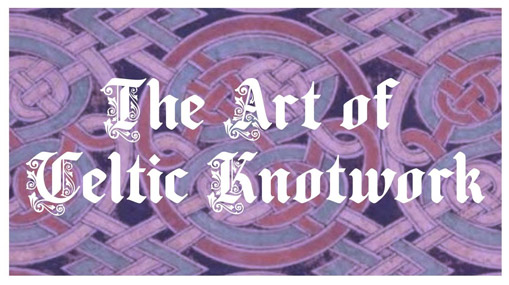
Celtic knotwork is a decorative art form made from continuous lines or bands woven over and under one another to create intricate interlacing patterns. These striking designs are closely associated with early Irish art and can be found in illuminated manuscripts, including the Book of Kells, as well as on carved stone monuments and historic metalwork.
Discover how these beautiful patterns are constructed at a free Celtic Knotwork art workshop for adults in Cashel Library.
Date: Tuesday, 18 August 2026 Time: 2:30–4:00 pm Venue: Cashel Library, Friar Street, Cashel Note: Free – but booking is essential
Led by artist Cher Gleeson, the workshop will introduce participants to Celtic design and help everyone create a finished artwork to take home. Cher has more than 25 years of experience in community arts and education, and learners of all abilities are welcome.
Note: Places are limited. Please Tel: 062 63825 to reserve your place.
People wishing to attend the above event can locate the Cashel Library building; situated on Friar Street, Lady’s Well, Cashel, Co. Tipperary, HERE. (Eircode E25 K798).
This August, the fairways of Thurles Golf Club will become the setting for something far greater than a round of golf.
From Tuesday, 18th August to Friday, 21st August 2026, golfers from across County Tipperary and the Archdiocese of Cashel and Emly are invited to gather in friendship, rivalry and common purpose for the Thurles Lions Club Golf Classic 2026.
At the heart of the event stands one of Thurles’s most treasured landmarks: the magnificent Cathedral of the Assumption.
Construction of the Cathedral began in 1865, and it was consecrated in 1879. For almost a century and a half, its towers, domes and sacred spaces have watched over generations; marking baptisms, weddings, funerals, feast days and countless moments in the life of the community. Now, as the Cathedral approaches its 150th anniversary in 2029, its roof requires major replacement. The wider fundraising campaign is working to secure the future of this much-loved building, described by Thurles Parish as more than stone and mortar, but a place of faith, memory and community that must be preserved for generations still to come.
Thurles Lions Club has committed to raising €50,000 over four years in support of that mission, and the upcoming Golf Classic is one of the central events in that effort.
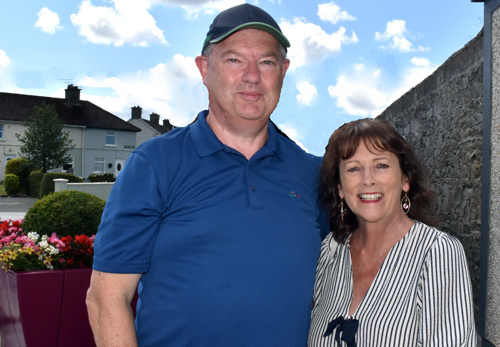
The People To Chat To:- L-R: Lions Club member Mr William McDonagh and Lions Club President Ms Mary Slattery.
A golf competition with parish pride at stake. Teams of three players are invited to enter, with every team competing for the Thurles Lions Club Golf Classic Trophy and a share of an overall prize fund of approximately €2,000.
But this is no ordinary golf classic. Parish teams will also have the opportunity to compete for two special perpetual trophies: The Tipperary Parishes Trophy, sponsored by Thurles Lions Club. The Cashel and Emly Trophy, sponsored by Archbishop Kieran O’Reilly.
To represent a parish, each member of the team must either live in that parish or have grown up there. A parish may enter as many teams as it wishes. The two best team results from each parish will be combined to determine its overall score—opening the door to friendly rivalry, local bragging rights and, perhaps, a little parish history.
► Who will carry the honour of their community? ►Who will hold their nerve over the closing holes? ► Which parish will return home with the trophy?
Event Details:
Date:18th – 21st August 2026. Venue: Thurles Golf Club. Teams: Teams of three. Cost: €210 per team, including green fees and a meal. Prizes: Approximately €2,000 in prizesplus Trophies.
Thurles Golf Club provides a fitting stage for the occasion: a mature parkland course known for its peaceful surroundings, welcoming atmosphere and strong playing conditions.
Note:Payment may be made when the team checks in at Thurles Golf Club on the day of play.
Businesses, organisations and individuals can also support the event through tee-box sponsorship for €100. Parish teams are encouraged to seek local sponsorship and bring their wider communities into the campaign.
This is an opportunity to play for your parish—but also to play for heritage, remembrance and the generations who will one day walk through the Cathedral doors.
Four summer days. Three players per team. One great community cause. Great golf. Great cause. Great community. Support. Play. Make a difference.
Where Tipperary Childhood Can Run Free – A Magical Day at Leahy’s East Cork Open Farm.
There are childhood days that disappear almost as soon as they are over, and then there are days that seem to glow in children’s memory for years. A family visit to Leahy’s Open Farm in the green countryside of East Cork belongs firmly in the second category. For families travelling from Tipperary, the journey to Dungourney feels like the beginning of the adventure. Familiar streets gradually give way to winding country roads, hedgerows, open fields and the soft colours of rural Ireland. By the time the farm comes into view, everyday routines already feel far behind. Yet it is when children discover the play areas that the true magic begins.
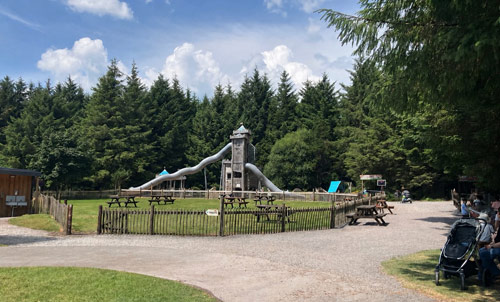
Playground Made for Big Imaginations. Pic: G. Willoughby.
A Playground Made for Big Imaginations Leahy’s is not simply a place where children look at animals and move quietly from one enclosure to another. It is a place created for movement, curiosity and joyful noise. Across the farm, play spaces invite young visitors to climb, race, dig, slide and explore. Adventure trails stretch ahead like secret pathways, while climbing towers challenge children to rise a little higher and become a little braver with every step. The playgrounds feel less like ordinary equipment and more like stages for childhood stories. A wooden tower becomes a castle. A bridge becomes a crossing over a mysterious valley. A slide becomes a thrilling escape route from an imaginary dragon. Sure, Parents may see timber, ropes and platforms, but children see entire worlds waiting to be conquered.
The Thrill of the real Digger Park For many young visitors, the Digger Park is where dreams suddenly become real. Here, children can take control of real machinery and experience the irresistible satisfaction of scooping, lifting and moving earth. Small hands grip the controls in safety with serious concentration. Faces light up when the bucket finally rises. For a few exciting minutes, they are no longer visitors to a farm; they are builders, engineers and expert machine operators with important work to complete. It is hands-on play at its best; exciting, physical and wonderfully absorbing. This attraction is especially memorable because it offers something children do not often experience elsewhere. They are not merely pressing buttons on a screen or watching someone else having fun. They are participating, experimenting and discovering what they can do.
Laughter on the Barrel Train. Then comes the Barrel Train, rumbling along its route with a cheerful collection of passengers. Children climb aboard with bright eyes and waving hands, ready to be carried around the farm. As the little carriages follow one another, laughter drifts across the countryside. Parents stand nearby, smiling as the train passes, cameras raised to capture expressions of complete delight. The ride may last only a short while, but to a child it can feel like a grand journey through a faraway land. It is one of those simple family experiences that asks for nothing more than everyone being present; children laughing, parents watching and a day unfolding without hurry.
Indoor Adventures When the Rain Appears. Irish skies have a habit of changing their minds, but rain does not have to end the adventure at Leahy’s Farm. The Play Barn and other indoor attractions provide plenty of space for energetic children to continue exploring. When showers tap against the roof, families can step inside rather than packing up and heading for home. The covered play areas also give the day a pleasant rhythm. Children can race around outdoors while the weather is bright, retreat indoors when the clouds gather and return to the fresh air when the sun reappears. This mixture of indoor and outdoor entertainment makes the farm particularly reassuring for parents planning a full day away from home.
Gentle Moments Among the Excitement. Although the play areas are filled with action, Leahy’s also offers quieter moments. Between climbs and train rides, families can wander through the farm, meet its animals (friendly Alpacas, Goats, Sheep, Donkeys, Horses, Rabbits, Snakes, Pigs and Chickens) while discovering displays celebrating Irish rural life. The farm museum introduces visitors to tools, machinery and traditions from earlier generations, adding a sense of heritage to the day.
There is something lovely about watching a child move from the excitement of a playground to the gentle wonder of meeting an animal. One moment they are racing towards a climbing tower; the next, they are standing perfectly still, fascinated by a goat, donkey or rabbit. These contrasts give this farm its special character. Adventure and education sit naturally beside one another, without the day ever feeling organised like a classroom lesson.
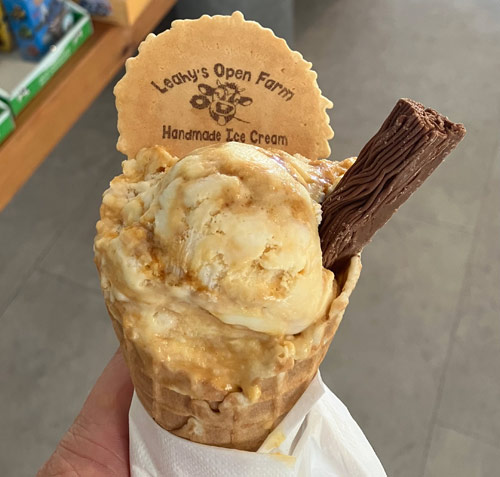
Homemade Ice cream. Pic: G. Willoughby.
A Sweet Ending to the Adventure. After hours of climbing, digging, running and exploring, there is still one final pleasure to enjoy. Leahy’s is also known for its ice cream and chocolate experiences, offering families a suitably sweet conclusion to their visit.
Tired children can sit down with a treat, while parents enjoy a well-earned pause and talk about the day’s favourite moments. Perhaps it was the Barrel Train. Perhaps it was the biggest slide, the diggers or the animals. Every child will carry home a different memory. For Tipperary families searching for more than an ordinary afternoon out, Leahy’s Open Farm offers space to reconnect, play and make memories together. Its playgrounds are not simply places to burn off energy. They are places where confidence grows, imaginations awaken and childhood is allowed to run gloriously free.
Long after the muddy shoes have been cleaned and the final photographs have been shared, the laughter of that East Cork adventure will still feel wonderfully close.
RATE Leahy’s East Cork Open Farm with regards Enjoyment and Value for Money: An exceptional 10/10 rating – something increasingly rare in Ireland today.
Aspiring screen performers and anyone curious about life on a television set are being invited to apply as extras for the second season of a major historical drama filming in County Wicklow.
The Amazon Prime production, currently operating under the codename “Bluetooth,” has been described as an epic “swords and shields” saga. Its first season has already been filmed and is expected to premiere early next year, while production on the second instalment is due to run from August until November 2026.
Casting organisers hope to recruit thousands of people from across Ireland for a wide variety of scenes. No previous acting experience is required, and applications are welcomed from people of different ages, appearances, ethnicities, religions and cultural backgrounds.
The team is also interested in applicants with distinctive skills or experience, including musicians, athletes, tradespeople, animal handlers and speakers of different languages. However, the organisers have stressed that this is not an exhaustive list and that everyone who meets the basic eligibility requirements is encouraged to attend.
Following an earlier casting session in Newtownmountkennedy, the remaining open calls will be held at the Camden Court Hotel, Camden Street Lower, Dublin 2, on Monday, 13th July and Tuesday, 14th July, from 10am until 5pm each day.
No appointment is necessary, and applicants only need to attend one session. The process is expected to take approximately 20 minutes and will involve completing an application form and having a photograph taken. The opportunity is open to adults and young people aged 16 years or over. Applicants must be living in Ireland on a full-time basis and must have a valid PPS number and permission to work in the country.
Parents or guardians interested in applying on behalf of children under 16 can request a separate application form by emailing extras@btproductions.ie.
Successful applicants could be offered paid work during the production period, although some people may be contacted at short notice to attend filming or costume fittings.
For anyone interested in history, film, television or acting, or simply looking for an unusual experience, the chance to meet new people and earn some extra money, the open casting call offers an opportunity to become part of a large-scale historical production filmed against some of Ireland’s most striking scenery.
Ms Maura Barrett (Cashel Branch Librarian) Reports:-
Monday 6th July, at 11:00am, Comhrá sa Leabharlann – Bain triail as do chúpla focal sa leabharlann Chaiseal Mumhan. Tá fáilte roimh gach duine. [Translate: Conversation in the Library – Try out your Irish at Cashel Library. Everyone is welcome.]
Wednesday 8th July 10:00am to 12 noon. Craft Circle Join the Cashel Craft Circle every Wednesday from 10am-12pm for their social gathering. Bring along your own project to work, share ideas, patterns and enjoy a chat and cuppa with others. No need to book just come along.
Wednesday 8th July 2.30pm – 3:45pm Summer Movie Afternoon. This month we are screening the film “Rio”. When Blu, a domesticated macaw from small-town Minnesota, meets the fiercely independent Jewel, he takes off on an adventure to Rio de Janeiro with the bird of his dreams. Family Movie Suitable for ages 5+ children to be accompanied by an adult. Booking Essential to 062-63825.
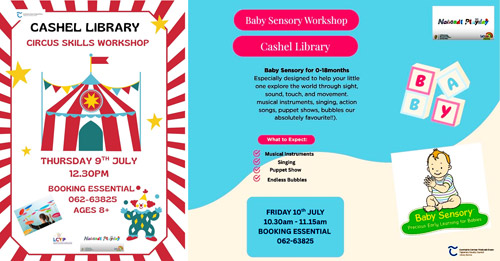
Thursday 9th July 12:30pm – 1:30pm Circus Skills Workshop. Join Us in Cashel Library for Circus Skills Workshop. Try your hand at plate spinning and juggling with circus star Kate Mitchell!
Friday 10th July at 10:30am (45mins) Baby Sensory Workshop. Join us in Cashel Library for a Baby Sensory Workshop. Especially designed to help your little one explore the world through sight, sound, touch, and movement. musical instruments, singing, action songs, puppet shows, bubbles our absolutely favourite! Suitable for Ages 0 to 18 Months. BOOKING IS ESSENITAL to TEL: 062-63825.
People wishing to attend the above events can locate the Cashel Library building; situated on Friar Street, Lady’s Well, Cashel, Co. Tipperary, HERE. (Eircode E25 K798).
This website uses cookies to improve your experience. We'll assume you're ok with this, but you can opt-out if you wish.AcceptRead More
Privacy & Cookies Policy
Privacy Overview
This website uses cookies to improve your experience while you navigate through the website. Out of these, the cookies that are categorized as necessary are stored on your browser as they are essential for the working of basic functionalities of the website. We also use third-party cookies that help us analyze and understand how you use this website. These cookies will be stored in your browser only with your consent. You also have the option to opt-out of these cookies. But opting out of some of these cookies may affect your browsing experience.
Necessary cookies are absolutely essential for the website to function properly. This category only includes cookies that ensures basic functionalities and security features of the website. These cookies do not store any personal information.
Any cookies that may not be particularly necessary for the website to function and is used specifically to collect user personal data via analytics, ads, other embedded contents are termed as non-necessary cookies. It is mandatory to procure user consent prior to running these cookies on your website.




Recent Comments