We recently looked into why small plug-in solar systems, sometimes called balcony solar, are widely available in countries such as Germany but are still difficult to use in Ireland.
Irish households are paying some of the highest electricity prices in Europe. Eurostat reported that Ireland had the highest household electricity price in the EU in the second half of 2025, at €40.42 per 100 kWh compared with an EU average of €28.96. At prices like these, people should have access to every safe and affordable way of reducing the amount of electricity they have to buy from the grid.
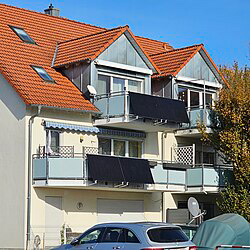
Small plug-in solar systems will not solve Ireland’s energy-cost problem, but they could give households a simple and relatively low-cost way to generate some of their own electricity. If certified 800-watt systems can be used safely elsewhere in Europe, Ireland should move quickly to establish clear standards, simple registration and approved products so Irish consumers can benefit too.
The answer is surprisingly simple. The solar panels themselves are not the problem. The main issue is how our electrical and grid rules currently treat them.
In Germany, households can buy small solar kits, often around 800 watts, connect an approved micro-inverter and register the system through a simplified process.
Some of these complete systems are sold by retailers such as Lidl for only a few hundred euro.
In Ireland, however, a small plug-in system is currently treated much more like a conventional solar installation. Grid-connected solar generally has to comply with ESB Networks requirements, Irish electrical standards and microgeneration connection rules.
That makes a €300–€500 DIY solar kit far less practical here.
The good news is that Ireland is now actively examining the issue. The Department of Climate, Energy and the Environment has been considering plug-in mini-solar, together with ESB Networks and other relevant bodies. Safety issues, including how electricity flows back through household circuits are part of that work.
Nobody is suggesting that electrical safety should be ignored. But other European countries have shown that small solar systems can operate within clear limits, using approved equipment and appropriate registration.
For Ireland, the important questions are now straightforward:
- What maximum output should be allowed?
- What safety standards should the inverter meet?
- What electrical protections are required?
- Can consumers register an approved system through a simple online process?
Once those questions are settled, Ireland can publish clear rules so consumers and retailers know exactly where they stand.
Small plug-in solar will not replace rooftop solar farms or large home PV systems. But it could give people living in apartments, rented homes or houses, where a full solar installation isn’t practical, another way to generate some of their own electricity.
It could also lower the entry cost of solar from several thousand euro to a few hundred euro.
Ireland has already spent considerable time examining this technology. The next useful step is for the Government, ESB Networks, CRU, NSAI and Safe Electric to complete that work and publish a clear, safe framework.
If an approved 800-watt solar kit can be safely used by households elsewhere in Europe, Ireland deserves a clear answer on how, and under what conditions, the same technology can be used here.
Let’s get the rules settled and give Irish consumers clarity.





Completely agree, this will also allow manufacturers to create a product which is compliant for Ireland. A win-win!