A multimillion-euro purchase of armoured vehicles for Ireland’s Defence Forces has come under renewed scrutiny after the State’s spending watchdog concluded that the fleet delivered substantially less value than had been expected.
The Department of Defence purchased 27 RG-32M Light Tactical Armoured Vehicles from BAE Systems in South Africa in 2008, at a total cost of approximately €19.6 million. The vehicles were intended to bridge the operational gap between ordinary “soft-skinned” military vehicles and heavier armoured personnel carriers, giving Defence Forces personnel greater protection and mobility in potentially dangerous environments.
However, the Comptroller and Auditor General has found that the Defence Forces did not receive the level of service anticipated from the fleet. Although the vehicles were expected to remain operational for around 20 years, they were withdrawn from active service in December 2023, roughly six years earlier than originally planned.
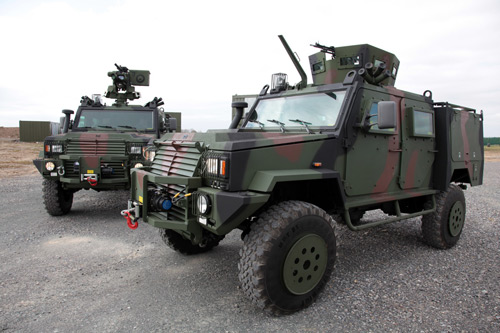
Usage of some vehicles was remarkably low. The watchdog found that average annual mileage across the fleet was below 1,500 kilometres per vehicle, while individual vehicles recorded even lower levels of activity. Questions were also raised about the reliability of mileage records, with gaps and problems involving odometers leading the auditor to identify what it described as a serious fleet-management control failure.
Mechanical and logistical difficulties further reduced the usefulness of the fleet. Technical problems included drivetrain issues, while obtaining replacement parts was frequently difficult and resulted in delays to repairs and reduced vehicle availability.
Despite the fleet’s relatively limited use, the vehicles were deployed on overseas missions, including operations in Lebanon and Syria, as well as being used for training in Ireland.
The Department of Defence recorded an impairment, or write-down, of €2.77 million on the fleet. The Comptroller and Auditor General concluded, however, that the overall loss of value to the State was significantly greater because the vehicles were withdrawn early and had apparently seen relatively light use during their service lives.
The retired vehicles were subsequently offered to Ukraine, but the Ukrainian Armed Forces declined them after determining that they were unsuitable for their requirements. No final decision had been made on their disposal when the auditor reported.
The episode provides an important case study in the long-term costs associated with major defence procurement. Buying specialised military equipment involves much more than the initial purchase price: reliability, spare-parts availability, maintenance arrangements, accurate fleet records and the expected operational lifespan all play a major role in determining whether taxpayers ultimately receive value for money.
The Department of Defence has said lessons have been learned from the procurement and that purchasing procedures have changed significantly since 2008, with greater emphasis now being placed on the full life-cycle costs and sustainability of expensive military equipment.
With Ireland planning substantial further investment in Defence Forces equipment in the years ahead, the findings underline the importance of rigorous procurement, long-term logistical support and effective oversight of major public expenditure.





Leave a Reply