Forty years on from the events of April 26th, 1986, the Chernobyl disaster remains one of the defining catastrophes of the modern age; an event that reshaped attitudes to nuclear power, exposed systemic political failures, and left a human and environmental legacy that endures to this day.
In the early hours of that morning, Reactor 4 at the Chernobyl Nuclear Power Plant; then part of the Soviet Union, now in Ukraine, exploded during what was supposed to be a routine safety test. A combination of flawed reactor design and critical operator errors triggered a runaway reaction. At 1:23am, the reactor core was blown open, releasing vast quantities of radioactive material into the atmosphere.
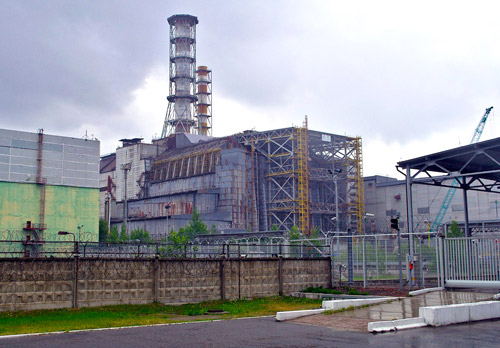
The explosion lit up the night sky above the nearby city of Pripyat, but confusion reigned. Firefighters rushed to the scene believing they were tackling a conventional blaze. In reality, many were exposed to lethal doses of radiation within minutes. In the days that followed, the Soviet authorities delayed evacuation and initially downplayed the scale of the disaster.
The official death toll was listed as just 31, but that figure has long been disputed. Many estimates suggest that tens of thousands, perhaps more, suffered long-term health consequences, including increased cancer rates across Ukraine, Belarus and beyond. Radioactive fallout spread across Europe, carried by wind and weather patterns, reminding the world that nuclear accidents do not respect borders.
Yes, Ireland was affected by Chernobyl, but only lightly, while radioactive fallout did reach the country and caused temporary increases in radiation, the overall impact was limited and far less severe than in areas closer to the disaster. These effects in Ireland were influenced heavily by rainfall. Where it rained, radioactive particles were washed out of the air and deposited onto the land.
Some western and northern counties (such as Galway, Mayo and Sligo) saw higher levels because of heavier rain. However, overall contamination levels were much lower than in mainland Europe.
Impact on Irish food and farming.
The main concern in Ireland was agriculture, particularly milk and livestock. Low levels of radioactive iodine were detected in milk, though they were far below the extreme levels seen elsewhere in Europe.
Some farmland and livestock were contaminated after animals grazed on affected grass. In later years, radioactivity lingered in certain upland sheep, especially in the west and northwest, although it was not considered a major health risk.
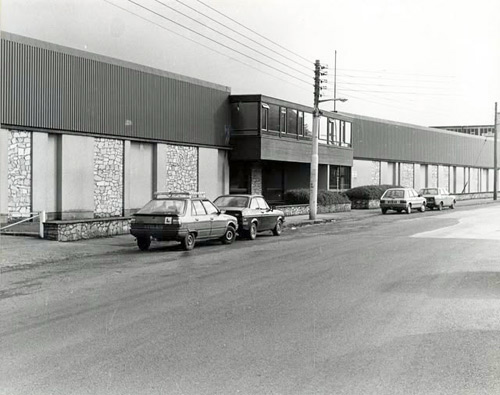
However, it did help to bring about the closure of Phoenix Yarns, here in Thurles. Yarn sold to Russia was paid for by vegetables sent for sale in Belgium from Russia. Vegetables were then no longer acceptable in Europe and sales of yarn to Russia came to an abrupt end.
One of the most remarkable aspects of the disaster was the vast human effort required to contain the disaster. Around 700,000“liquidators” – soldiers, engineers, miners and volunteers, were mobilised to limit the damage. They cleared radioactive debris, built a concrete sarcophagus around the destroyed reactor, and prevented further explosions that could have rendered large parts of Europe uninhabitable. Many paid for this work with their health or their lives.
Beyond the immediate devastation, Chernobyl exposed deeper truths about governance and secrecy. The Soviet system’s reluctance to admit failure contributed to delays that worsened the crisis. The disaster became a symbol of the dangers of suppressing scientific truth in favour of political control; a lesson that continues to resonate in discussions about energy, transparency and environmental risk.
Four decades later, the site itself remains a stark reminder. The surrounding “Exclusion Zone” is still largely uninhabited, though nature has begun to reclaim the area in unexpected ways. Chernobyl has also become a powerful cultural reference point, explored in documentaries, literature and drama.
One of the most acclaimed portrayals is the 2019 television drama Chernobyl, which brought renewed global attention to the disaster. The series dramatizes both the human stories and the systemic failures behind the catastrophe, highlighting the bravery of those who responded and the consequences of misinformation.
Notably, Irish talent played a significant film role in bringing these stories to life. Ms Jessie Buckley portrayed the character of ‘Lyudmilla Ignatenko‘, the wife of a firefighter who was among the first responders. [Film can be viewed currently on SKY GO]. Her performance captured the personal tragedy experienced by families caught in the disaster’s wake. Ms Buckley, who attended the Ursuline Convent in Thurles during her school years, has since become one of Ireland’s most celebrated actors, earning major international awards.
She appeared alongside Barry Keoghan who played the role of ‘Pavel‘ another central figure in the story, together with Michael McElhatton who played the role of ‘Prosecutor Andrei Stepashin‘; Jared Harris (son of the Limerick-born actor Richard Harris), who played scientist ‘Valery Legasov‘; and Michael Colgan who appeared in the miniseries as ‘Mikhail Shchadov‘; each of their excellent performances helping to humanise a disaster often discussed in abstract terms.
As we mark forty years since Chernobyl, its legacy remains complex. It is a story of technological failure, but also of courage; of political secrecy, but also of truth eventually emerging. Above all, it serves as a warning, about the consequences of ignoring expertise, underestimating risk, and placing ideology above reality.
In remembering Chernobyl, we are not just looking back at history. We are being reminded of responsibilities that remain urgent today.





Leave a Reply