Ms Esther Griffin (Research Assistant Tipperary County Council) Reports:
St Patrick’s Campus, Mary Immaculate College (MIC), Thurles will host ‘Culture Night‘ (Oíche Chultúir) on Friday next September 18th, between 5:30pm and 9:00pm.
The following events will be held on the night:
► From 5:30 – 7:00pm: historical tours of the campus led by librarian Ms Ruth Talbot, detailing the history and heritage of the College. ► From 7:00 – 7:30pm: a musical performance by uilleann piper Mr Muireann Meade. ► From 8:00 – 8:45pm: a musical performance by the Thurles Community Orchestra.
Note: Booking is required for Thurles Community Orchestra’s performance. Booking Phone Number: 0504 20530. Free tickets will also be available to book from the Reception in MIC St Patrick’s Campus.
For the benefit of those visiting from outside the Thurles area; you can locate the St Patrick’s Campus, MIC building, situated on Cathedral Street, Thurles Co. Tipperary,HERE, [Eircode E41 C424].
For communities across Tipperary, uncertainty over the water supply has become an exhausting part of daily life.
Between prolonged ‘Boil Water Notices’, overnight restrictions and sudden outages, residents deserve clear answers about when they can expect a dependable service.
A workshop between Tipperary councillors and representatives of Uisce Éireann (Irish Water) is scheduled for Tuesday, October 6th, at the Council offices in Thurles. With three hours of discussion divided between two sessions, there should be a clear focus on the problems affecting each district and the measures required to resolve them.
The morning session, from 11:00am to 12:30pm, will cover the Nenagh and Thurles Municipal Districts. The afternoon session, from 2:00pm until 3:30pm, will address issues in the Tipperary; Cahir; Cashel; Clonmel and Carrick-on-Suir districts.
The scale of the difficulties outlined ahead of the meeting demands serious attention. More than 47,000 people across the county are reported to be affected by ‘Boil Water Notices’, while communities, including parts of west Tipperary, face overnight restrictions. In some areas, those restrictions reportedly run from 7:00pm until 7:00am.
A twelve-hour interruption can place considerable pressure on ordinary household routines. Families, carers, older residents and people returning from work all need reliable access to water. Local businesses and farms also need sufficient notice of interruptions so they can make practical arrangements.
Alongside these restrictions, recent months have brought outages attributed to pump failures, electricity interruptions and burst mains. Uisce Éireann is reported to have told South Tipperary Oireachtas members that 85% of outages are caused by burst pipes. Councillors should seek the supporting figures, clarify the period and area covered, and establish which sections of the network are being prioritised for replacement. Residents need to know how recurring failures will be prevented and when the necessary work will happen.
The position facing those served by the Cordangan scheme, supplying more than 5,100 people in Tipperary town and the surrounding area, is particularly concerning. The current ‘Boil Water Notice’ may remain in place until October or indeed November, pending the connection of a new water source to the treatment plant. Those affected deserve a clear explanation of the remaining work, the expected completion date and the steps required, before this notice can be lifted.
The September 14th update supplied, also identifies Boil Water Notices affecting Kilcommon; Rearcross; Galtee Regional; Cashel; Thomastown; Newport; Carrick-on-Suir (Linguan) and Ardfinnan. Each affected community deserves a specific progress report.
The Thurles workshop should produce practical commitments:
A scheme-by-scheme explanation of the problems and outstanding works.
Target dates for completing repairs, upgrades and new connections.
A programme for replacing mains with a history of repeated bursts.
Clear information on measures to reduce disruption from pump and power failures.
Better advance communication about restrictions and changes to restoration times.
A published account of agreed actions, with responsibility assigned and a date for reviewing progress.
The timing of the workshop also raises a reasonable question about participation. Councillors who work in classrooms or other employment may need arrangements to attend a Tuesday daytime meeting. The Council should explain how meaningful participation will be supported, including whether remote attendance or written submissions will be available.
Residents should be able to see which concerns their representatives raised, what answers were given and what commitments followed. Three hours is a limited window in which to address problems affecting so many communities. Preparation, direct questions and documented follow-up will be essential.
Tipperary residents deserve safe water, reliable supplies and a public timetable for delivering both. October 6th should produce commitments they can measure and hold those responsible to.
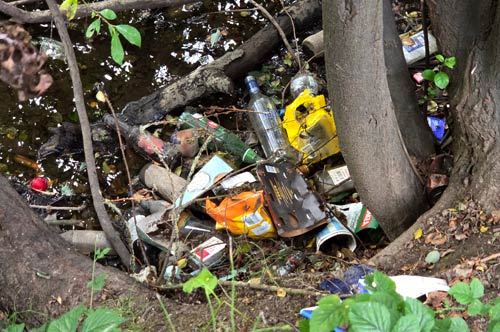
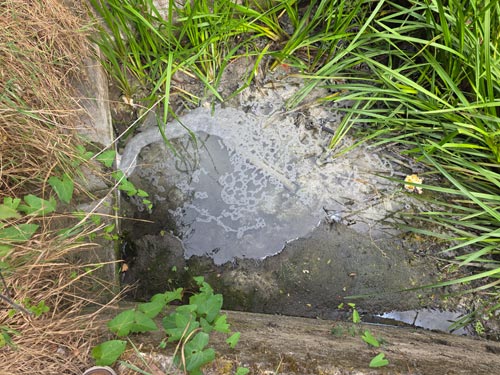
Please find herewith attached Tipperary County Council’s response to my EPA Complaint (Re: COM021813), which highlighted the ongoing 13 year old neglect of the River Suir in Thurles town centre, by the responsible body, namely Tipperary County Council.
The attached response, penned by Robert O’Brien (Executive Scientist, Environment & Climate Action), outlines the measures being implemented by Tipperary County Council in relation to the serious matters raised with the EPA.
Re: River Suir, Thurles EPA Complaint COM021813 15-09-2026 Dear Mr. Willoughby I have been tasked by the EPA to contact you to respond to the complaint received by them No:COM021813 Alleged Pollution of River Suir and how Tipperary County Council are to respond. I want to acknowledge your longstanding interest in water quality issues within the Thurles area and the information you have provided regarding observations along the River Suir including photographs and descriptions of conditions observed at various locations. Tipperary County Council appreciates the importance of the River Suir as a valuable environmental and community resource and recognises the concerns raised regarding water quality, litter and the overallcondition of the watercourse. The Council takes all reports of potential water pollution seriously and recognises the importance of protecting and improving the water quality of the River Suir and its catchment. Currently, Tipperary County Council implements a range of water quality protection measures around the Suir catchment which includes, farm inspections, discharge monitoring and licencing, septic tank inspections, Water Framework Directive monitoring, and investigation of environmental complaints. Through these activities, the Council has consistently taken its water quality responsibilities seriously. In recognition of the challenges affecting water quality within the catchment, Tipperary County Council has commenced the preparation and implementation of an Upper River Suir Catchment Management Plan. The purpose of this initiative is to develop and implement a coordinated strategy to protect, improve and restore water quality and aquatic ecosystems throughout the Upper River Suir Catchment, including the Thurles area.
The preparation of the plan is being led by Tipperary County Council and involves collaboration between:
Thurles Municipal District;
The River Basin Management Service(formerly LAWPRO);
The Environment and Climate Action Section;
Other relevant stakeholders and agencies as necessary.
A Steering Group has been established to guide the development of the plan and to identify and address the range of pressures that may be impacting water quality in the catchment. It is considered that a catchment-based approach provides the most effective framework for identifying causes of water quality pressures, coordinating actions between relevant agencies and implementing long- term measures to deliver environmental improvements. The concerns and observations raised in your correspondence will be taken into consideration as part of Tipperary County Council’s ongoing work within the catchment. We remain committed to improving water quality outcomes and to working with relevant stakeholders to protect and enhance the River Suir. Thank you for taking the time to report your concerns. Yours sincerely Signed Robert O’Brien Executive Scientist.
Please see my immediate reply, today, to Mr Robert O’Brien.
Dear Mr. O’Brien, Thank you for your response, dated today September 15th 2026, regarding EPA Complaint Ref: COM021813.
A check by myself this morning, (September 15th 11:30am), exactly one month following my EPA complaint, shows that absolutely no effort has been undertaken to remove even one solitary piece of this litter by either Thurles Municipal District Council, or by Refresh Thurles, latter who possibly receive funding for such projects.
Neither has there been the installation of even one litter bin being provided in the affected areas.
While I welcome the proposed Upper River Suir Catchment Management Plan and acknowledge the importance of coordinated work to improve water quality, I must express my deep disappointment at the Council’s failure to address the immediate, visible problems raised in my complaint.
Over the past month, I have observed no action to remove the litter, bottles, discarded clothing, supermarket trolleys and other rubbish from the locations concerned. These items remain in and along the River Suir despite the concerns and photographic evidence already supplied.
Your response outlines the Council’s general activities and plans, but provides no account of any inspection of the reported locations, no commitment to remove the rubbish, and no timetable for doing so. A steering group and a catchment management plan may support longer-term improvements, but they do not resolve the immediate problem of waste remaining in the river over the past two years.
I respectfully condemn this continued lack of visible action. The Council’s stated commitment to protecting the River Suir must be demonstrated through practical measures. Residents who take the time to document and report these conditions deserve a response that addresses the specific problems they have identified.
Please provide:
Details of any inspections undertaken in response to my complaint, including dates and findings.
A clear timetable for the safe removal and appropriate disposal of the reported rubbish, including the supermarket trolleys.
The name of the section or officer responsible for coordinating this work.
An explanation of any barriers delaying removal and the steps being taken to resolve them.
Details of measures to prevent further dumping and monitor the affected locations
If removal requires coordination with another body, appropriate permissions or environmental precautions, please identify these requirements and explain how the Council will progress them.
I request a substantive written response within 10 working days, setting out specific actions and target dates. I also ask that this correspondence be included in the record of EPA Complaint COM021813 and that the EPA be informed that the reported litter remains unresolved.
My purpose is to secure a cleaner, better-protected River Suir. I remain willing to assist by identifying the affected locations, but the information already supplied should now be followed by prompt and accountable action.
Yours sincerely, George Willoughby.
As is always the case, no reply is anticipated in further communications from Tipperary Co. Council.
A man, understood to be in his 60s has died following a collision involving a van and three cars at Cooper’s Lot on the R688 in Cashel, Co Tipperary, at approximately 5:40pm yesterday afternoon Monday, 14th September.
The man, who was driving one of the cars, was pronounced dead at the scene. A post-mortem examination is due to take place at University Hospital Waterford.
The van driver, a man in his 40s, suffered serious injuries and was taken to Tipperary University Hospital in Clonmel. No other injuries were reported.
The road was reported closed this morning for a forensic examination, with local diversions in place.
Gardaí are appealing for witnesses and dash-cam footage from anyone travelling in the Cooper’s Lot area between 5:00pm and 6:00pm on Monday.
This fatal Cashel collision, yesterday, brings to 8 the number of people killed on Tipperary roads so far this year.
Anyone with information is asked to contact Cahir Garda Station on Tel: 052 7445630, the Garda Confidential Line Tel: 1800 666 111, or indeed any Garda station.
Pre-deceased by her beloved parents Nora and Paddy, sister Patricia and brothers Jack and Patsy; Mrs Shaw Shanahan passed away peacefully, while in the care of staff at Tipperary University Hospital Clonmel, South Co. Tipperary.
Her passing is most deeply regretted, sadly missed and lovingly remembered by her sorrowing family; loving husband Thomas, son James, daughter-in-law Aoife, grandsons Iarlaith and Caolán, sisters Maggie, Mary, Nora and Theresa, brothers Georgie, Sylvester and William, brothers-in-law, sisters-in-law, extended relatives, neighbours and friends.
For those persons who would wish to attend Requiem Mass for Mrs Shaw Shanahan, but for reasons cannot, same can be viewed streamed live online, HERE.
The extended Shaw Shanahan family wish to express their appreciation for your understanding at this difficult time, and have made arrangements for those persons wishing to send messages of condolence, to use the link shown HERE.
This website uses cookies to improve your experience. We'll assume you're ok with this, but you can opt-out if you wish.AcceptRead More
Privacy & Cookies Policy
Privacy Overview
This website uses cookies to improve your experience while you navigate through the website. Out of these, the cookies that are categorized as necessary are stored on your browser as they are essential for the working of basic functionalities of the website. We also use third-party cookies that help us analyze and understand how you use this website. These cookies will be stored in your browser only with your consent. You also have the option to opt-out of these cookies. But opting out of some of these cookies may affect your browsing experience.
Necessary cookies are absolutely essential for the website to function properly. This category only includes cookies that ensures basic functionalities and security features of the website. These cookies do not store any personal information.
Any cookies that may not be particularly necessary for the website to function and is used specifically to collect user personal data via analytics, ads, other embedded contents are termed as non-necessary cookies. It is mandatory to procure user consent prior to running these cookies on your website.







Recent Comments