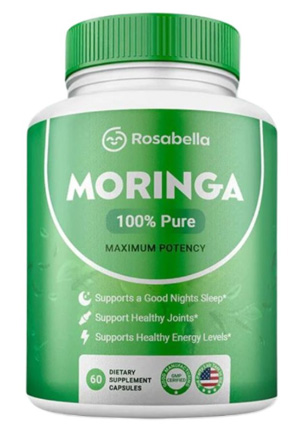
FSAI Recall of specific batches of Rosabella Moringa capsules due to the possible presence of Salmonella.
Alert Summary dated Monday, February 23rd, 2026.
Category 1: For Action Alert Notification: 2026.10 Product Identification: Rosabella Moringa 100% Pure; pack size: 60 capsules Batch Code: LINK HERE for implicated batch codes and best-before dates. Country Of Origin: USA
Message: Ambrosia Brands, LLC is recalling the below batches of its Rosabella Moringa capsules due to the possible presence of Salmonella. The recalled batches are packaged in white plastic bottles. The batch code is printed on the bottom of the bottles and is the middle seven digits of the code printed above the expiry date. The affected batches have best-before dates ranging from 03/2027 to 11/2027.
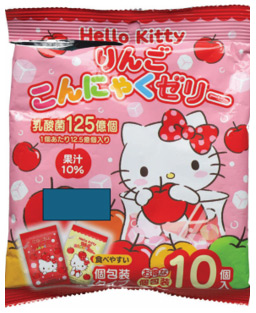
FSAI recall Hello Kitty Apple Jelly strips due to possible choking risk.
Alert Summary dated Monday, February 23rd 2026.
Category 1: For Action. Alert Notification: 2026.09. Product Identification: Hello Kitty Apple Jelly strips; pack size: 150g. Batch Code: All batch codes and best before dates. Country Of Origin: China.
Message: All batches of Hello Kitty Apple Jelly strips are being recalled as they may pose a choking hazard. Recall notices will be displayed at point of sale.
Action Required:Manufacturers, Wholesalers, Distributors, Caterers and Retailers:
Retailers: are requested to remove the implicated batches from sale and display recall notices at point-of-sale. Consumers: Consumers are advised not to eat the implicated sweets.
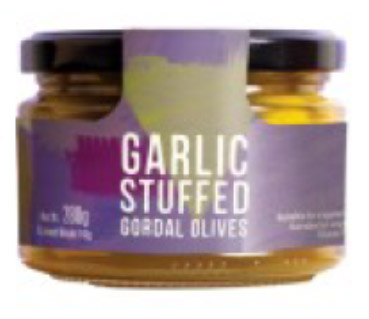
Message: The above batch of Cottage Delight Garlic Stuffed Gordal Olives was mispacked with almond stuffed olives. Almond is not listed as an ingredient and this may make the batch unsafe for consumers who are allergic to or intolerant of nuts (almonds), and therefore, these consumers should not eat the implicated batch.
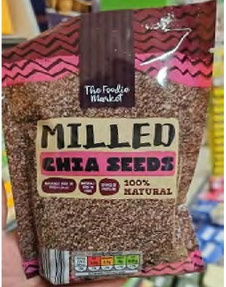
Recall of a specific batch of The Foodie Market Milled Chia Seeds due to the possible presence of Salmonella.
Alert Summary dated Tuesday, 17th February 2026.
Category 1: For Action. Alert Notification: 2026.08. Product Identification: The Foodie Market Milled Chia Seeds; pack size: 200g. Batch Code: Best before end: Feb 2027.
Message: The above batch of The Foodie Market Milled Chia Seeds is being recalled due to the possible presence of Salmonella. Recall notices will be displayed at point-of-sale in Aldi stores.
Nature Of Danger: People infected with Salmonella typically develop symptoms between 12 and 36 hours after infection, but this can range between 6 and 72 hours. The most common symptom is diarrhoea, which can sometimes be bloody. Other symptoms may include fever, headache, and abdominal cramps. The illness usually lasts 4 to 7 days. Diarrhoea can occasionally be severe enough to require hospital admission. The elderly, infants, and those with impaired immune systems are more likely to have a severe illness.
Action Required:Manufacturers, Wholesalers, Distributors, Caterers and Retailers. Retailers: Same are requested to remove the implicated batches from sale and display recall notices at point-of-sale. Consumers: Consumers are advised not to eat the implicated batch.
The Easter Supermarket Aisle is really a ‘Confession’ of what we Value.
Not taste. Not ingredients. Not children’s health. What we value and what we reward, is packaging that wins the argument in the moment.
Enter into any Irish supermarket in the weeks before Easter and you’ll find it, that dazzling wall of foil, cartoon faces and glossy packaging, positioned strategically at child height. Now walk a child past that wall of Easter eggs and watch what happens. They don’t scan ingredients. They scan cartoon characters, colour and sparkle. Their attention is being bought through design and the bill is handed to parents at the till.
That’s why the palm oil conversation matters. Not because palm oil is a cartoon villain, but because it’s often part of a bigger formula: cheaper fats, big sweetness, high profit margin, huge volume. And, when you attach that formula to a licence kids already love, you get a product that sells itself and most importantly for the retailer, sells fast.
Palm Oil Conversation Matters.
A Tesco listing for a Tesco Peppa Pig Easter product includes “Vegetable Fats (Palm, Shea…)”. Read that again; the most child-attractive packaging can be paired with ingredients designed to protect a price point, not a growing body. Now here’s the part that will annoy people. Supermarkets will say, “We simply stock what customers buy.”
Yes True, but incomplete. Retailers shape what customers buy. They choose what gets eye-level space, what gets aisle-end promotion, what gets “2 for €X”. They decide what looks like the normal choice. If the loudest, sweetest, most character-heavy egg is placed where every family must pass, then “choice” becomes a bit of theatre. A kid asks. A parent caves. The system works exactly as is so designed.
And don’t pretend we don’t know the long game. Health guidance remains consistent: keep saturated fat lower overall and don’t let it quietly dominate the diet. We also know that diets built around ultra-processed treats don’t damage a child in one day, they train preferences and routines over years.
The tragedy is that Irish makers who are trying to do it better are often invisible to children.
That’s a strong ethical and ingredient choice. But on a crowded Easter shelf, a subtle box can’t compete with the instant dopamine or feel-good hit of a character egg.
So here’s my fair, defensible ask: Supermarkets: Stop hiding Irish quality behind adult-looking packaging and premium-price assumptions. Give local makers seasonal visibility where families actually shop. Supermarkets aren’t trying to harm children. They are, however, designed to maximise sales per metre of shelf space. Character products sell fast, drive “pester power”, and deliver predictable seasonal turnover. Artisan chocolate can be slower-moving, pricier, and less visually “grabby” for small hands. Irish chocolatiers: You don’t need to slap a cartoon face on everything, but you do need to meet kids where they are. Easter is visual. Make “better ingredients” look fun. The uncomfortable truth is that the better chocolate product often loses the packaging battle. Here’s where Easter gets unfair. Many artisan brands package beautifully for adults; elegant boxes, subtle colours, premium cues, but kids don’t buy with adult eyes. Parents:Don’t let the aisle decide for you. Flip the box. Read the fat list. Buy the fun, but buy it with open eyes. Look for palm oil/palm kernel oil on the label (it will be named).
Easter should be a treat. It shouldn’t be a marketing lesson where children learn that the brightest box is automatically the best choice.
If we really want better food culture, we have to reward it, not just applaud it.
This website uses cookies to improve your experience. We'll assume you're ok with this, but you can opt-out if you wish.AcceptRead More
Privacy & Cookies Policy
Privacy Overview
This website uses cookies to improve your experience while you navigate through the website. Out of these, the cookies that are categorized as necessary are stored on your browser as they are essential for the working of basic functionalities of the website. We also use third-party cookies that help us analyze and understand how you use this website. These cookies will be stored in your browser only with your consent. You also have the option to opt-out of these cookies. But opting out of some of these cookies may affect your browsing experience.
Necessary cookies are absolutely essential for the website to function properly. This category only includes cookies that ensures basic functionalities and security features of the website. These cookies do not store any personal information.
Any cookies that may not be particularly necessary for the website to function and is used specifically to collect user personal data via analytics, ads, other embedded contents are termed as non-necessary cookies. It is mandatory to procure user consent prior to running these cookies on your website.






Recent Comments