Forty years on from the events of April 26th, 1986, the Chernobyl disaster remains one of the defining catastrophes of the modern age; an event that reshaped attitudes to nuclear power, exposed systemic political failures, and left a human and environmental legacy that endures to this day.
In the early hours of that morning, Reactor 4 at the Chernobyl Nuclear Power Plant; then part of the Soviet Union, now in Ukraine, exploded during what was supposed to be a routine safety test. A combination of flawed reactor design and critical operator errors triggered a runaway reaction. At 1:23am, the reactor core was blown open, releasing vast quantities of radioactive material into the atmosphere.
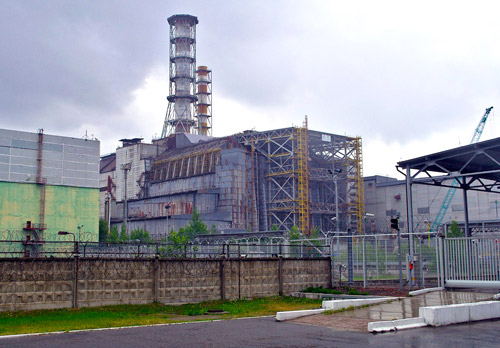
Chernobyl, forty years on from the events of April 26th, 1986.
The explosion lit up the night sky above the nearby city of Pripyat, but confusion reigned. Firefighters rushed to the scene believing they were tackling a conventional blaze. In reality, many were exposed to lethal doses of radiation within minutes. In the days that followed, the Soviet authorities delayed evacuation and initially downplayed the scale of the disaster.
The official death toll was listed as just 31, but that figure has long been disputed. Many estimates suggest that tens of thousands, perhaps more, suffered long-term health consequences, including increased cancer rates across Ukraine, Belarus and beyond. Radioactive fallout spread across Europe, carried by wind and weather patterns, reminding the world that nuclear accidents do not respect borders.
Yes, Ireland was affected by Chernobyl, but only lightly, while radioactive fallout did reach the country and caused temporary increases in radiation, the overall impact was limited and far less severe than in areas closer to the disaster. These effects in Ireland were influenced heavily by rainfall. Where it rained, radioactive particles were washed out of the air and deposited onto the land. Some western and northern counties (such as Galway, Mayo and Sligo) saw higher levels because of heavier rain. However, overall contamination levels were much lower than in mainland Europe.
Impact on Irish food and farming. The main concern in Ireland was agriculture, particularly milk and livestock. Low levels of radioactive iodine were detected in milk, though they were far below the extreme levels seen elsewhere in Europe. Some farmland and livestock were contaminated after animals grazed on affected grass. In later years, radioactivity lingered in certain upland sheep, especially in the west and northwest, although it was not considered a major health risk.
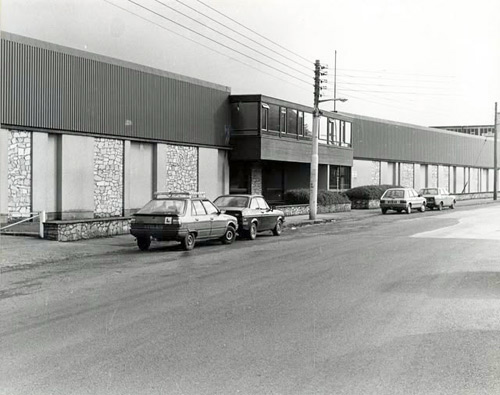
Phoenix Yarns, Thurles, now the site of Thurles Shopping centre.
However, it did help to bring about the closure of Phoenix Yarns, here in Thurles. Yarn sold to Russia was paid for by vegetables sent for sale in Belgium from Russia. Vegetables were then no longer acceptable in Europe and sales of yarn to Russia came to an abrupt end.
One of the most remarkable aspects of the disaster was the vast human effort required to contain the disaster. Around 700,000“liquidators” – soldiers, engineers, miners and volunteers, were mobilised to limit the damage. They cleared radioactive debris, built a concrete sarcophagus around the destroyed reactor, and prevented further explosions that could have rendered large parts of Europe uninhabitable. Many paid for this work with their health or their lives.
Beyond the immediate devastation, Chernobyl exposed deeper truths about governance and secrecy. The Soviet system’s reluctance to admit failure contributed to delays that worsened the crisis. The disaster became a symbol of the dangers of suppressing scientific truth in favour of political control; a lesson that continues to resonate in discussions about energy, transparency and environmental risk.
Four decades later, the site itself remains a stark reminder. The surrounding “Exclusion Zone” is still largely uninhabited, though nature has begun to reclaim the area in unexpected ways. Chernobyl has also become a powerful cultural reference point, explored in documentaries, literature and drama.
One of the most acclaimed portrayals is the 2019 television drama Chernobyl, which brought renewed global attention to the disaster. The series dramatizes both the human stories and the systemic failures behind the catastrophe, highlighting the bravery of those who responded and the consequences of misinformation.
Notably, Irish talent played a significant film role in bringing these stories to life. Ms Jessie Buckley portrayed the character of ‘Lyudmilla Ignatenko‘, the wife of a firefighter who was among the first responders. [Film can be viewed currently on SKY GO]. Her performance captured the personal tragedy experienced by families caught in the disaster’s wake. Ms Buckley, who attended the Ursuline Convent in Thurles during her school years, has since become one of Ireland’s most celebrated actors, earning major international awards.
She appeared alongside Barry Keoghanwho played the role of ‘Pavel‘ another central figure in the story, together with Michael McElhatton who played the role of ‘Prosecutor Andrei Stepashin‘; Jared Harris(son of the Limerick-born actor Richard Harris), who played scientist ‘Valery Legasov‘; and Michael Colgan who appeared in the miniseries as ‘Mikhail Shchadov‘; each of their excellent performances helping to humanise a disaster often discussed in abstract terms.
As we mark forty years since Chernobyl, its legacy remains complex. It is a story of technological failure, but also of courage; of political secrecy, but also of truth eventually emerging. Above all, it serves as a warning, about the consequences of ignoring expertise, underestimating risk, and placing ideology above reality.
In remembering Chernobyl, we are not just looking back at history. We are being reminded of responsibilities that remain urgent today.
In 2024, Ireland was compliant with EU Emissions Reduction targets for all five major pollutants: ammonia, non-methane volatile organic compounds, sulphur dioxide, nitrogen oxides and fine particulate matter. Consistent implementation of existing national policies is key to meeting 2030 targets.
Taking the long view, many pollutants have seen significant decreases since the 1990s. Particulate matter, which can have significant impacts on human health, is down by 67 per cent. Pollutants associated with acid rain have also reduced dramatically: sulphur dioxide is down by 96 per cent and nitrogen oxide is down by 67 per cent.
Ammonia emissions, which arise almost entirely from agriculture, remained within EU limits for the third consecutive year.
Reductions in sulphur dioxide, nitrogen oxides and fine particulate matter were largely driven by lower fossil fuel use in power generation and residential heating.
The Environmental Protection Agency (EPA) today published its assessment of five key air pollutants which impact air quality, health and the environment for 2024.
The pollutants are:
ammonia.
non-methane volatile organic compounds.
sulphur dioxide.
nitrogen oxides.
fine particulate matter.
Agriculture accounts for over 99% of ammonia emissions in Ireland and was previously non-compliant with EU targets in 2020 and 2021. The ongoing adoption of low-emission slurry spreading, in combination with a reduction of dairy cattle and other cattle numbers, has brought ammonia emissions into compliance with the EU Emission Reduction target for the years 2022, 2023 and 2024. This reflects the impact of on-farm adoption of a range of good farming practices.
Commenting on the findings MsRoni Hawe, Director of the EPA’s Office of Evidence and Assessment said: “Ireland is on track to meet its 2030 EU Emissions Reduction targets for all five major air pollutants. The EPA’s assessment confirms that this progress is delivering clear benefits for air quality, human health and sensitive ecosystems, and shows that targeted policies and practical measures are achieving measurable reductions in emissions.”
She added: “Low-emission slurry spreading alone avoided an estimated 8,526 tonnes of ammonia being released to the atmosphere. That’s seven per cent of the national total, making it one of the most effective actions in reducing national ammonia emissions. Continued and wider adoption of these practices is essential to sustain progress on air quality.”
Beyond ammonia, Ireland is in compliance with EU Emission Reduction targets for the other air pollutants. In 2024, Sulphur dioxide decreased by 4.4 per cent; fine particulate matter by 1.9 per cent; nitrogen oxides by 1.3 per cent and non-methane volatile organic compounds by 1.0 per cent. Less fossil fuel use in power generation and residential heating has been key in reducing these emissions.
Commenting on these findings Dr Tomás Murray, Senior Manager of EPA Emissions Statistics said: “This is good news. We can hit our 2030 air pollutant reduction goals if we stay on course with the National Air Pollution Control Programme. By moving away from fossil fuels to generate our electricity and continued adoption of a range of good farming practices, we aren’t just achieving targets but also actively protecting our health and our environment.”
For further details on these figures, see the EPA report Ireland’s Air Pollutant Emissions: Trends and Outlook on the EPA website HERE.
Irish stargazers are being urged to look skyward this week as the Lyrid meteor shower reaches its annual peak, bringing a striking display of shooting stars visible across the country, including Tipperary.
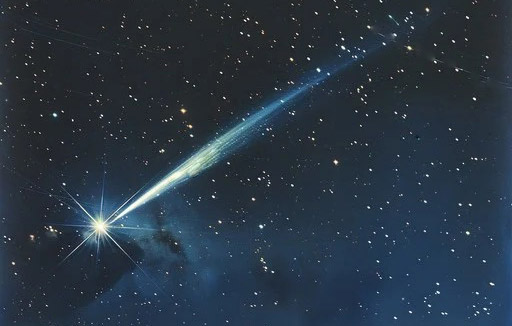
A Rare Celestial Display. The Lyrids are one of the oldest recorded meteor showers, occurring each April as Earth passes through debris left by Comet Thatcher, last seen in 1861. In 2026, the shower is active from mid-April through to April 25–26, with peak activity expected on the night of April 22 into the early hours of April 23.
Under ideal conditions, observers can expect:
Around 10–20 meteors per hour.
Occasional bursts of higher activity.
Bright streaks and occasional “fireballs” lighting up the sky.
Strong Viewing Conditions in Ireland.
This year offers particularly favourable viewing conditions. A crescent moon will set early, leaving darker skies for much of the night, latter ideal for spotting meteors.
The best time to watch is: After midnight through to dawn, when the constellation Lyra rises higher in the eastern sky. No special equipment is needed, just clear skies and patience.
Viewing Potential in Tipperary. Tipperary is well positioned to enjoy this celestial event, particularly in rural areas where light pollution is low.
Key Advantages:
Dark countryside skies improve visibility
Elevated and open landscapes provide wide viewing angles
Distance from major urban lighting enhances contrast
Best Practice for Viewing:
Travel to rural or elevated areas such as hills or open farmland
Avoid towns and artificial lighting
Allow 20–30 minutes for your eyes to adjust to darkness
Lie back or use a reclining chair for a full-sky view
Meteor activity will appear across the sky, not just near Lyra, so a broad, unobstructed view is essential.
What to Expect. While the Lyrids are considered a moderate meteor shower, they are known for fast, bright meteors, occasional dramatic fireballs and short bursts of increased activity. Even outside the peak night, the shower remains active for several days, offering multiple chances to witness the display.
Final Outlook. If skies remain clear, observers across Tipperary should have an excellent opportunity to see more shooting stars than on a typical night. With favourable conditions and minimal moonlight, 2026 could be one of the better years to catch this historic meteor shower, right from your own doorstep.
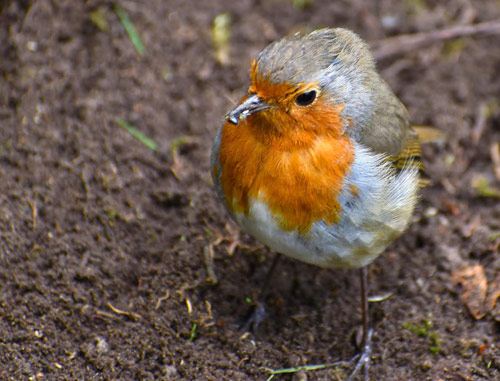
RSPB England Issues New Seasonal Guidance on Garden Bird Feeding to Prevent Disease Spread.
The Royal Society for the Protection of Birds (RSPB) has issued new guidance urging the public to adopt seasonal bird feeding practices to help protect vulnerable garden bird populations from disease. The charity is advising households across England to pause routine bird feeding between May 1st and October 31st, citing increased risks of disease transmission during warmer months, when feeders can become contamination hotspots.
Rising Concern Over Bird Disease. The recommendation follows growing concern over trichomonosis, a parasitic disease that affects birds’ mouths, throats, and digestive systems, often making it difficult for them to eat or breathe. The disease spreads through contaminated food and water sources and has been linked to significant declines in several species. Among the most affected is the greenfinch, whose population has dropped by an estimated two million birds in the UK, placing it on the conservation red list. Long-term monitoring data also shows a steep decline in sightings, with greenfinches falling from one of the most commonly recorded garden birds to much lower rankings in recent years.
Seasonal Feeding Approach Recommended. Under its new campaign “Feed seasonally, feed safely”, the RSPB is encouraging the public to rethink year-round feeding habits. While feeding birds can provide benefits, especially during colder months, the charity warns that concentrated feeding in summer can facilitate the spread of disease. Limited feeding may still be appropriate if done carefully. The RSPB advises offering only small quantities of food, such as mealworms or fat-based products, sufficient for one or two days at most.
Hygiene Measures Essential.
To reduce risks, the RSPB recommends:
Cleaning bird feeders at least once a week.
Regularly changing feeder locations to prevent waste buildup.
Providing fresh tap water daily if offering water.
Cleaning bird baths weekly.
Avoiding flat surface feeders, such as traditional bird tables, where contamination can accumulate more easily
The organisation has already begun phasing out flat feeders from its own product range.
Widespread Public Impact. Bird feeding is a popular activity in England, with millions of households participating regularly and significant annual spending on bird food. The RSPB acknowledges that changing established habits may be challenging but stresses the importance of protecting bird populations. The guidance has been developed in collaboration with scientific partners and is based on an extensive review of available evidence. While some industry groups have raised concerns about the changes, the RSPB maintains that precautionary action is necessary.
Supporting Birds Responsibly. The RSPB emphasises that feeding birds can still play a positive role when done responsibly. However, it warns that continuing current practices without adjustment could contribute to further population declines.
“We cannot continue as usual,” the charity stated, highlighting the need for collective action to safeguard garden birds for the future.
Ireland’s greenhouse gas emissions from power generation and industry down by 5.5 per cent in 2025.
In 2025, greenhouse gas emissions from Irish power generation and industrial companies covered by the EU Emissions Trading System (EU ETS) decreased by 5.5 per cent.
Emissions decreased by 8.9 per cent from the electricity generation sector driven by cessation of coal use at Moneypoint, an increase in renewables and increased importation of electricity.
Manufacturing industry emissions decreased by 2.5 per cent driven by a variety of factors including the use of alternative lower carbon fuels and a decrease in clinker production in the cement sector.
In contrast, greenhouse gas emissions from aviation, reported to Ireland, increased by just under 2 per cent compared to 2024, which reflects continued growth in this sector.
The Environmental Protection Agency (EPA), today released its preliminary analysis of greenhouse gas emissions in 2025 from the EU Emissions Trading System (EU ETS). In 2025, emissions from Irish power generation and industrial companies decreased by 5.5 per cent (over 620,000 tonnes) to 10.67 million tonnes of CO2. This compares with a decrease of approximately 6.9 per cent across Europe, according to data released by the EU Commission.
The decrease in emissions from Ireland’s power generation and industry sectors in 2025 was driven by a combination of factors.
Power generation: The use of coal at ESB Moneypoint ceased in June 2025 which has led to a 49 per cent reduction in emissions from this station. On a national basis, there was a slight increase in renewable electricity (up by 1 per cent as a percentage of demand) and an increase in net imports of electricity from 14 per cent to 17 per cent as a percentage of demand.
Cement industries: There was a 3.6% decrease in greenhouse gas emissions from cement industries due to both a drop in production of cement clinker (a key component of cement) and an increase in alternative fuel use as the demand for less carbon intensive construction products has increased.
Commenting today, Dr Eimear Cotter, EPA Director General, said: “The reduction in emissions from power generation and industrial activities covered by the EU Emissions Trading System (EU ETS) indicates progress in Ireland’s shift toward cleaner energy and more sustainable manufacturing. Since the establishment of EU ETS in 2005, there has been a decrease in emissions of over 52 per cent for the relevant sectors in Ireland which highlights the importance of this policy tool in driving decarbonisation.”
Aviation: Emissions from flights within the European Economic Area reported to Ireland increased by almost 2 per cent compared to 2024, to over 13.4 million tonnes. This is now well above the pre-pandemic levels of 12.8 million tonnes and reflects the ongoing growth of traffic in this sector. The use of Sustainable Aviation Fuels (SAF) has increased since 2024 but there is scope for further uptake of these fuels.
Dr Maria Martin, EPA Senior Manager, said: “There is a continued need for all sectors included in the EU ETS to play their part. While power generation and industry both recorded reductions in emissions, the dairy processing industries increased their emissions in 2025 suggesting that more work needs to be done to decouple growth in this sector from carbon emissions.”
This website uses cookies to improve your experience. We'll assume you're ok with this, but you can opt-out if you wish.AcceptRead More
Privacy & Cookies Policy
Privacy Overview
This website uses cookies to improve your experience while you navigate through the website. Out of these, the cookies that are categorized as necessary are stored on your browser as they are essential for the working of basic functionalities of the website. We also use third-party cookies that help us analyze and understand how you use this website. These cookies will be stored in your browser only with your consent. You also have the option to opt-out of these cookies. But opting out of some of these cookies may affect your browsing experience.
Necessary cookies are absolutely essential for the website to function properly. This category only includes cookies that ensures basic functionalities and security features of the website. These cookies do not store any personal information.
Any cookies that may not be particularly necessary for the website to function and is used specifically to collect user personal data via analytics, ads, other embedded contents are termed as non-necessary cookies. It is mandatory to procure user consent prior to running these cookies on your website.




Recent Comments