Thurles Order of Malta (Ireland) Cadet Leader Mr Thomas Burke Reports:
All roads led to Cork this weekend as the Southern Region Order of Malta Cadet Competitions took centre stage. Over the past number of months, cadets and leaders have dedicated countless hours to training and refining their skills in First Aid and Assisted Activities of Daily Living.
Thurles Order Of Malta Cadets.
Their hard work, commitment, and determination paid off, with cadets achieving outstanding success across all categories entered. The celebrations continued as cadets and leaders proudly brought silverware back to Thurles, following a highly successful weekend of competition.
Attention now turns to the All-Ireland Competitions, which will take place in Fermanagh this July, where the team will continue training and preparing to represent their region with pride once again.
As Ireland prepares to face Israel in football in the months ahead, emotions and protests sadly are likely to surround the matches. In times like these, it is important to remember that behind modern politics are also human stories; stories of courage, survival and ordinary people who chose humanity over hatred.
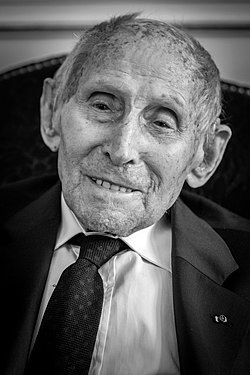
Mr Georges Loinger.
One such story is that of Mr Georges Loinger, a remarkable Jewish member of the French Resistance who saved hundreds of children from the Holocaust during the Second World War. His life reminds us that compassion and bravery can exist even in humanity’s darkest moments.
Born in Strasbourg in 1910, Mr Loinger grew up in a Jewish family and became an outstanding athlete. During the Nazi occupation of France, he used not weapons, but intelligence, sport and daring imagination to rescue Jewish children from deportation and almost certain death.
One of his most extraordinary methods involved football and ball games near the Swiss border. Loinger trained frightened children to run fast and fearlessly. Then, close to the frontier, he would throw a football or ball across the border and encourage the children to chase after it. By the time guards realised what was happening, the children had already crossed into neutral Switzerland and escaped Nazi persecution.
As the war intensified and German troops tightened border security, Loinger developed other creative escape plans. Sometimes children were disguised as mourners attending funerals near cemeteries beside the Swiss frontier. Hidden routes, ladders and false papers became tools of survival. Through these dangerous missions, Loinger personally helped rescue at least 350 Jewish children.
Loinger himself had earlier escaped from a German prisoner-of-war camp. Because he had blond hair and blue eyes, Nazi guards did not realise he was Jewish. After escaping, he joined the Jewish aid organisation OSE, which worked secretly with the French Resistance to protect children whose parents had been murdered or deported to concentration camps.
Those who knew him said he carried himself with calm confidence rather than fear. He later explained that sport helped him appear natural and composed at checkpoints, something that often saved lives. His courage earned him some of France’s highest honours, including the Legion of Honour and the Resistance Medal.
When Ireland and Israel meet on the football field, demonstrations and political disagreements may dominate news headlines. Yet stories like Georges Loinger’s show another side of history; one where the game of football itself became an instrument of rescue, hope and survival for vulnerable children fleeing real genocide.
Mr Loinger died in 2018 at the age of 108, but his legacy continues to inspire people across the world. In remembering him, we remember not Irish politics, but humanity.
For decades, cancer was considered primarily a disease associated with aging. But that assumption is rapidly changing. Across the globe, doctors are seeing a growing number of cancer diagnoses in adults under 50, a phenomenon now referred to as early-onset cancer. Research shows that rates of several cancers, especially colorectal, breast, kidney, and uterine cancers, have steadily increased among younger adults since the 1990s. A major 2025 study from researchers at the U.S. National Institutes of Health found that 14 different cancer types increased among people under 50 between 2010 and 2019. The largest rises were seen in breast, colorectal, kidney, and uterine cancers. Scientists still do not have one definitive explanation, but many researchers believe the increase is likely linked to a combination of lifestyle, environmental, and biological changes.
Diet, Obesity, and Modern Lifestyles One of the strongest suspected contributors is the global rise in obesity and unhealthy dietary habits. Diets high in ultra-processed foods, refined sugars, and processed meats may increase inflammation in the body and disrupt hormones and gut bacteria, all of which can contribute to cancer development. Health experts also point to increasingly sedentary lifestyles. Less physical activity combined with long-term weight gain may significantly raise the risk of cancers such as colorectal, breast, and uterine cancer. The World Health Organization reports that obesity rates worldwide have more than doubled since 1990, especially among younger generations. Researchers believe this trend may be closely connected to the rise in early-onset cancers.
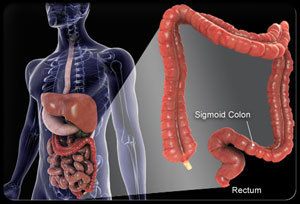
Colon Cancer.
Are Microplastics and Environmental Chemicals Part of the Problem? Another growing area of concern involves environmental exposure, especially microplastics and industrial chemicals. Microplastics are now found in food, drinking water, air, and even human tissues. Early studies suggest these particles may contribute to inflammation, cellular damage, and DNA mutations, all of which are linked to cancer development. Researchers are especially studying possible connections between microplastics and colorectal cancer. Scientists are also investigating the potential role of:- “Forever chemicals” (PFAS); Air pollution; Gut microbiome disruption; Chronic stress; Sleep disruption and Environmental toxins. However, experts caution that evidence connecting many of these factors directly to cancer is still developing.
Better Screening May Also Explain Some Increase. Not all of the rise necessarily means more cancers are developing. In some cases, cancers are simply being detected earlier and more often due to improved screening technologies and increased awareness. Organizations have lowered recommended screening ages for certain cancers: Colorectal cancer screening now commonly begins at age 45 instead of 50, while breast cancer screening often begins at age 40 instead of 50. Improved imaging and earlier testing may partially explain why diagnoses among younger adults appear to be increasing.
The Good News: Survival Rates Are Improving. Despite rising diagnosis rates, overall cancer death rates have declined for many cancer types because treatments and early detection have improved significantly. Still, some cancers diagnosed in younger adults can behave more aggressively. Early-onset colorectal and breast cancers, for example, are often discovered at more advanced stages because symptoms are unexpected in younger people. Researchers emphasize that awareness is critical. Persistent symptoms such as unexplained weight loss, rectal bleeding, unusual fatigue, changes in bowel habits, or abnormal lumps should never be ignored simply because someone is young.
What Researchers Know So Far. Scientists agree on several important points:
Early-onset cancer rates are genuinely rising for multiple cancer types.
Obesity, diet, and lifestyle changes are likely major contributors.
Environmental exposures may also play a role.
Genetics alone cannot explain the sharp increase.
Earlier screening and improved detection account for part; but likely not all of the trend.
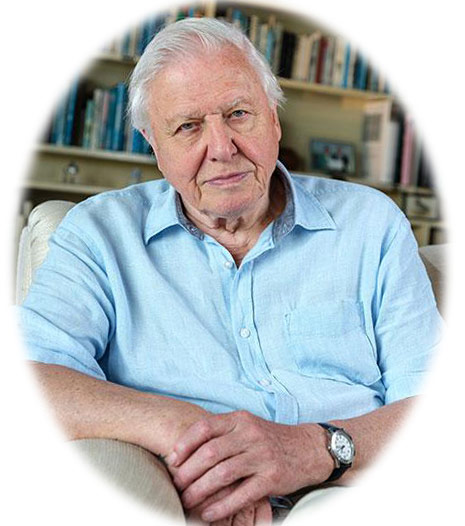
Legendary British broadcaster and natural historian Sir David Attenborough marked his 100th birthday, today Friday, May 8th 2026, receiving an extraordinary wave of tributes from around the world, after more than seven decades spent bringing the wonders of nature into millions of homes. Born on May 8th, 1926 in Isleworth, Middlesex, England, Sir David has become one of the most respected and recognisable voices in broadcasting history.
In a heartfelt audio message released by the BBC, Sir David said he had expected a quiet celebration but was deeply moved by the global response to his milestone birthday. Messages arrived from children, families, schools and care homes, reflecting the affection generations of viewers feel for the man whose storytelling transformed wildlife filmmaking.
Across Britain, celebrations were organised to honour his remarkable contribution to television and environmental awareness. The BBC scheduled a week of special programming dedicated to his life and work, while events including concerts at London’s Royal Albert Hall, museum exhibitions, nature walks and tree-planting ceremonies were held nationwide.
For over 70 years, Sir David has documented the beauty, complexity and fragility of the natural world. His groundbreaking documentaries, including Life on Earth, The Blue Planet, Frozen Planet and Dynasties, revolutionised natural history broadcasting and inspired millions to care about wildlife and conservation.
Some of his most unforgettable moments include a famous encounter with playful mountain gorillas during the filming of Life on Earth, dramatic footage of orcas hunting seals in icy waters, and his emotional narration of the story of “Lonesome George,” the final surviving Pinta Island tortoise whose death marked the extinction of his species. These powerful scenes helped audiences understand both the wonder and vulnerability of life on Earth.
In recent decades, Attenborough has become one of the world’s strongest advocates for environmental protection. His acclaimed 2017 series Blue Planet II highlighted the devastating impact of plastic pollution in the oceans and sparked public pressure for action on waste reduction and conservation measures worldwide.
Despite his global fame, colleagues and friends often describe Attenborough as modest and deeply committed to public service. Producer Mike Gunton said Attenborough viewed himself not as a celebrity, but as someone fortunate enough to speak on behalf of the natural world.
Even at 100, Attenborough remains actively involved in filmmaking. One of the latest BBC projects celebrating his centenary is Secret Garden, a series exploring the hidden wildlife thriving in Britain’s gardens and green spaces.
Attenborough’s career began at the BBC in the early 1950s, before he rose through the organisation to become a senior television executive. However, his passion for storytelling and wildlife drew him back in front of the camera, leading to the creation of Life on Earth in 1979 — the landmark series that established him as a household name around the globe.
Today, Sir David Attenborough is regarded not only as a pioneering broadcaster, but also as one of the most influential communicators of science and conservation in modern history. His work has inspired generations to appreciate the natural world and to recognise the urgent need to protect it for the future.
The Food Safety Authority of Ireland (FSAI) is advising consumers, particularly pregnant women and women who are breastfeeding, not to consume calabash chalk due to the presence of high levels of lead.
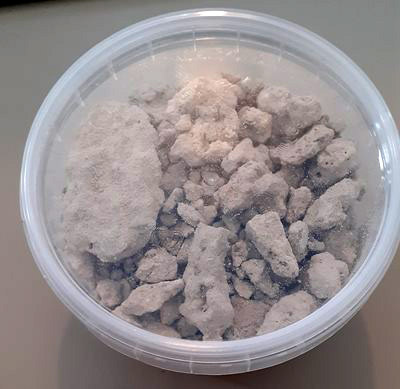
Calabash chalk(also known as calabar chalk, calabar stone, la craie, argile, nzu, ndom, eko and mabele) is sometimes consumed as a traditional remedy for morning sickness. However, eating it can significantly increase exposure to lead, which is harmful, particularly to unborn babies and infants.
Lead is a toxic metal that can accumulate in the body over time and can be transferred to unborn babies during pregnancy and to infants during breastfeeding. Exposure to lead is associated with a range of adverse health effects, particularly its impact on the developing brain of unborn babies and young infants.
Calabash chalk may be naturally occurring, composed of fossilised seashells, or artificially produced from a mixture of clay, sand, wood ash and other materials. The product is imported into Ireland and can be found in some ethnic shops, typically sold in blocks, pellets or powders, often with limited labelling or consumer information.
Mr Greg Dempsey, Chief Executive, FSAI urged pregnant and breastfeeding women not to eat this product. “High levels of lead in calabash chalk is a serious public health concern. Lead can have harmful effects, particularly for unborn babies and infants, where it can severely affect how a child’s body grows and their brain develops. At very high levels, lead poisoning can be fatal. We advise pregnant women and women who are breastfeeding not to eat this product,” said Mr Dempsey.
Women who are pregnant or breastfeeding and have consumed calabash chalk should stop using the product.
This website uses cookies to improve your experience. We'll assume you're ok with this, but you can opt-out if you wish.AcceptRead More
Privacy & Cookies Policy
Privacy Overview
This website uses cookies to improve your experience while you navigate through the website. Out of these, the cookies that are categorized as necessary are stored on your browser as they are essential for the working of basic functionalities of the website. We also use third-party cookies that help us analyze and understand how you use this website. These cookies will be stored in your browser only with your consent. You also have the option to opt-out of these cookies. But opting out of some of these cookies may affect your browsing experience.
Necessary cookies are absolutely essential for the website to function properly. This category only includes cookies that ensures basic functionalities and security features of the website. These cookies do not store any personal information.
Any cookies that may not be particularly necessary for the website to function and is used specifically to collect user personal data via analytics, ads, other embedded contents are termed as non-necessary cookies. It is mandatory to procure user consent prior to running these cookies on your website.




Recent Comments