|
|
New figures released by the Department of Justice and An Garda Síochána show that the number of Garda members assigned to Roads Policing Units has fallen by almost 40% since 2009. The total number of specialist personnel dropped from 1,046 to 645 by March this year; a reduction of 401 officers dedicated to policing Irish roads.
Dublin experienced some of the steepest declines, with roads policing numbers nearly halving over the period. One Dublin division recorded a 59% drop, leaving just 11 specialist Gardaí and two road policing vehicles covering the area.
Other regions also saw significant reductions, including Sligo/Leitrim, where staffing levels fell from 34 officers to 14. Limerick was the only area to record a slight increase in personnel since 2009.
Road safety advocacy groups described the falling numbers as deeply concerning, warning that reduced enforcement capacity impacts road safety efforts nationwide. Campaigners said roads policing units are struggling due to limited resources and staffing pressures, and believe enforcement on Irish roads has been weakened at a time when offences are increasing. Recent figures show that more than 211,000 vehicles on Irish roads were uninsured or unregistered last year, roughly one in every 15 vehicles nationwide.
Despite Gardaí carrying out over one million vehicle checks during the first three months of 2026, more than 5,000 vehicles were still seized for having no insurance during that short period alone. Thousands of additional summonses were also issued.
In response, An Garda Síochána stated that all Garda members contribute to road traffic enforcement, including those outside dedicated Roads Policing Units. According to the organisation, non-specialist personnel accounted for a majority of DUI detections, vehicle detentions, and checkpoints carried out last year.
The force also said there is no policy aimed at reducing roads policing numbers and noted that more than 80 new members have been assigned to roads policing duties over the past 18 months. However, Garda management acknowledged that staffing increases have not yet delivered the “significant uplift” desired in roads policing capacity
Brian Lohan’s men took control before half-time, opening up a huge lead through scores from Ian Galvin and Sean Rynne, before Galvin struck the game’s only goal just after the restart to leave Tipp reeling.
Clare delivered a massive statement in the Munster SHC last night with a commanding 1-25, (28pts) to 0-17 (17 pts) victory over Tipperary at Semple Stadium.
Things went from bad to worse for the All-Ireland champions when Willie Connors was sent off, and Clare ruthlessly stretched their advantage with points from Tony Kelly, Peter Duggan and Diarmuid Stritch.
The defeat leaves Tipperary staring at a shock championship exit, with their hopes now depending on Waterford getting a result against Limerick today.
Bank of Ireland is warning customers to stay alert after a rise in cases where people are being significantly overcharged when paying by card in shops, cafés, bars, taxis and other busy venues.
The scam works by verbally quoting one price, while entering a much higher amount on the payment terminal; often when customers are distracted, rushed or under pressure.
Ms Nicola Sadlier, (Head of Fraud at Bank of Ireland), said fraudsters are taking advantage of busy environments where people may not double-check the screen, before tapping or entering their PIN.
Key advice from Bank of Ireland:
► Always check the amount on the card terminal before paying
► Don’t rush if you feel pressured during a transaction
► Never hand your card to someone else to complete payment
► Turn on transaction alerts to spot suspicious charges quickly
► Review your statements regularly and report anything unusual immediately
►With summer travel season approaching and more people using contactless payments abroad, the bank says taking a few extra seconds to verify the amount could prevent costly fraud.
“Check the total before you tap.”
A new policy approved in Tipperary will ban roadside memorials in areas where speed limits are 60 kilometres per hour and above. The decision follows updated national road safety guidelines aimed at reducing dangers for motorists, pedestrians, and road maintenance crews.
Under the new rules, future memorials will not be allowed along higher-speed roads due to concerns about driver distraction, roadside parking and pedestrian safety. Existing memorials will remain in place, but any damaged memorials requiring replacement must comply with the updated regulations.
While many understand the importance of improving road safety, the decision has sparked debate among communities who see roadside memorials as important tributes to loved ones lost in tragic accidents. The issue is especially sensitive for grieving families and local residents who feel these memorials serve as lasting reminders for drivers to slow down and take greater care on dangerous roads.
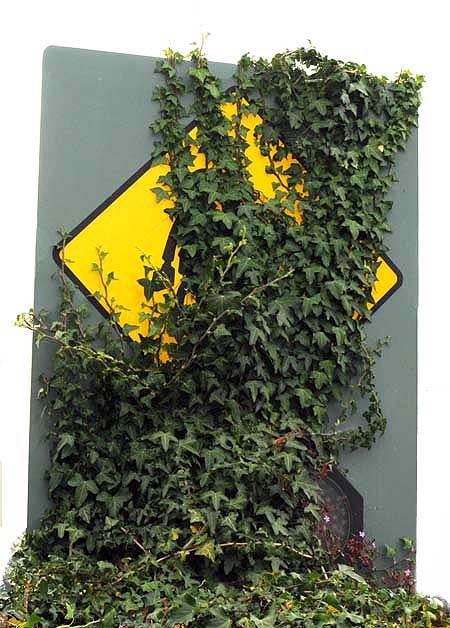
At the same time, many people are questioning whether enough attention is being given to other road safety problems across the county. In Thurles, concerns continue to grow about road signage in several busy areas. A number of directional signs have reportedly become loose, damaged, are pointing in the wrong direction, or in some cases have disappeared altogether.
Areas such as Mill Road, Cathedral Street and Liberty Square in Thurles have been highlighted by residents as locations where signage problems are creating confusion for motorists and visitors alike. Many signs are hidden by hedge growth and some locals believe these practical road safety issues should also be prioritised alongside the introduction of any new policies and restrictions.
Road safety campaigners continue to stress that clearer signage, proper maintenance, safer junctions, and responsible driving all play a major role in preventing accidents and protecting lives on local roads.
As discussions continue, many will be watching closely to see how the new memorial policy is implemented and whether wider road safety concerns throughout Tipperary receive the same level of urgency and attention.
Eviction Ban Ruled Out as Housing Minister Signals Easing of Rural Planning Rules.
Ireland’s rural planning rules are set to be relaxed under new housing guidelines due to be published within weeks, according to Housing Minister Mr James Browne TD. The Minister said the updated guidelines aim to make it easier for people to build homes in rural communities, while also creating greater consistency in planning decisions nationwide.
Speaking during a visit to social housing projects in Donegal, Mr Browne said the Government is committed to reducing restrictions on rural housing development across the country. He added that the new framework would provide a more balanced and predictable approach for rural applicants.
The Minister also rejected renewed opposition calls for an eviction ban, following a sharp rise in eviction notices during the opening months of 2026. Recent figures from the Residential Tenancies Board showed more than 7,000 notices of termination were issued in the first quarter of the year; a rise of roughly 50% compared with the same period in 2025.
Mr Browne argued that previous eviction bans damaged rental supply and insisted the Government’s focus must remain on increasing housing availability. He pointed to signs that termination notices began to decline in March, with expectations of a further drop in April.
The minister said reforms introduced earlier this year are intended to strengthen protections for renters while encouraging more long-term participation in the rental market. Updated RTB figures also showed a modest increase in the number of landlords and registered tenancies nationwide.
|
Support Us Help keep Thurles.info online by donating below. Thank you.
Total Donated 2026: €300.00
Thank You!
Daily Thurles Mass Livestream
|







Recent Comments