The recent tuberculosis outbreak at Ballintemple National School in Cork is a reminder that, although TB has been dramatically reduced in Ireland, it has not disappeared.
The Health Service Executive has confirmed that three children at the school have been diagnosed with tuberculosis and have begun anti-TB treatment. Around 220 pupils and members of staff are being screened, with screening due to take place at St Finbarr’s Hospital. Family members of the affected children are also being offered screening, while public-health officials work with the school to establish the source of the infections.
For many younger people, tuberculosis may seem like a disease belonging to another era. For previous generations of Irish people, however, TB; commonly known then as consumption, was one of the most feared diseases in the country.
The scale of the old TB epidemic is difficult to comprehend today. Newly published figures from the Central Statistics Office show that 4,614 people died from tuberculosis in Ireland in 1922, giving a death rate of 153 per 100,000 people. TB was then more prevalent as a cause of death than heart disease. By 2023, the number of deaths had fallen to just 14.
Behind those statistics were thousands of families devastated by illness and bereavement.
Poverty, overcrowded housing, poor nutrition and difficult living conditions all contributed to the spread and severity of the disease. Before modern drug treatment, people diagnosed with TB could spend months or even years in sanatoriums, separated from their families and communities.
Treatment was largely based on rest, fresh air and good nutrition. It could help, but there was no guaranteed cure.
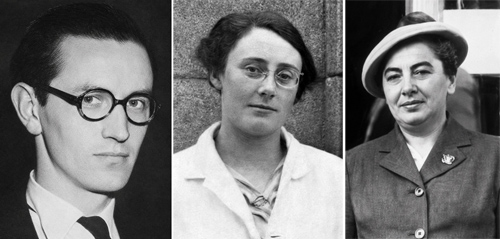
The doctors and politicians who changed Ireland’s story.
Ireland’s eventual victory over TB was not achieved by one person. It came through the combined efforts of doctors, nurses, scientists, public-health workers and politicians.
One of the most important names was Dr Noël Browne TD, (RC and later Atheist). A doctor and former TB patient himself, Dr Dr Browne became Minister for Health in 1948 and made the fight against tuberculosis a major priority. His ministry expanded hospital and sanatorium provision and promoted improved diagnosis and treatment, including the expansion of X-ray screening. The arrival of effective anti-TB drugs, including streptomycin, added another powerful weapon against the disease.
But Browne’s story should be told alongside that of Dr Ms Dorothy Stopford Price, (C of I) one of Ireland’s great public-health pioneers.
Dr Price became deeply involved in the fight against childhood TB and was instrumental in bringing the BCG vaccine to Ireland. Her work helped lay the foundations for wider vaccination programmes. Trinity College Dublin’s archival record describes her as instrumental in reducing childhood TB through the early introduction of BCG.
Another key figure was Dr Ms Pearl Dunlevy, (RC) who helped establish a major BCG programme in Dublin. From 1947, schoolchildren were tested and eligible children vaccinated, while BCG was also offered to newborns in Dublin hospitals. The programme was followed by a rapid fall in childhood TB deaths.
The above people deserve to be remembered because their work demonstrates what determined public-health action can achieve, somewhat missing in recent governments.
The transformation has been extraordinary.
The CSO’s new 101-year analysis shows TB deaths falling from 4,614 in 1922 to just 14 in 2023. The death rate fell from 153 per 100,000 people to less than one per 100,000, thus remaining one of the great successes in the history of Irish medicine.
But there is an important distinction: TB has not been completely eradicated.
That is why the current Cork outbreak deserves attention without creating unnecessary alarm. Modern medicine gives us tools that previous generations could only dream about; effective treatment, contact tracing, screening, vaccination in appropriate circumstances and much better public-health surveillance.
Screening the pupils and staff who may have been exposed is precisely the kind of preventative action that helped Ireland turn the tide against TB in the first place.
The story of tuberculosis in Ireland is about far more than a disease. It is a story about poverty and housing, childhood, medicine, vaccination and the development of the Irish public-health system.
It is also a story about the late individuals such as Dr Noël Browne (1915 – 1997), – Dr Dorothy Stopford Price (1890 – 1954), Dr Pearl Dunlevy (1909 – 2002) and Dr James Deeny (1906 -1994), whose efforts helped change the course of the disease.
The Cork outbreak should therefore be seen in historical perspective. Ireland has travelled an extraordinary distance since the days when thousands died from consumption every year. But the lesson from that history is equally clear; infectious diseases must never be taken for granted.
The work of the past generations brought TB from being one of Ireland’s greatest killers to a disease that can generally be treated successfully.
The responsibility of our generation is to make sure it stays that way.





Leave a Reply