Why Is the Irish Government Asking Every Household to Prepare for Emergencies?
The Irish Government’s decision to distribute emergency preparedness booklets to approximately 2.2 million households has raised an important question: Why is Ireland being asked to prepare for major emergencies now?
The initiative is not necessarily a warning that a disaster is imminent. It reflects growing concerns about severe weather, prolonged electricity outages, disruptions to essential services and wider security risks across Europe.
There are several reasons behind the campaign.
The devastating impact of Storm Éowyn.
1. In January 2025, Storm Éowyn exposed how vulnerable Ireland’s essential infrastructure can be. Approximately 768,000 homes, farms and businesses lost electricity, with some communities facing prolonged disruption. A subsequent review recommended improved household preparedness.
Growing concerns about infrastructure disruption.
2. A major storm, flood or technical failure can interrupt electricity, drinking water, mobile communications, internet services and transport simultaneously. Having basic supplies allows families to manage safely while services are being restored.
People across Ireland are being encouraged to prepare for unexpected emergencies, including severe storms, flooding, prolonged power cuts and disruptions to essential services, under a nationwide Government initiative.
The Government’s ‘Be Emergency Ready’ campaign, launched in August 2026, aims to help families and individuals take simple but important steps to protect themselves during unexpected emergencies.
As part of the initiative, approximately 2.2 million emergency preparedness booklets were scheduled for delivery to households across the country, providing practical advice on what to keep at home and how to respond when everyday services are disrupted.
The campaign follows the impact of major weather events, including Storm Éowyn, which left communities dealing with widespread electricity outages and disruption. Government officials have stressed that being prepared does not mean expecting an emergency to happen, but ensuring households have the essential supplies and information needed if one does occur.
What Should Every Irish Household Have Ready?
The Government’s emergency preparedness guidance highlights several important items that could make a significant difference during a crisis.
- Drinking Water
Every household should have access to sufficient drinking water, allowing approximately two to three litres per person each day. Bottled water should be stored in a cool, dark place and replaced before its expiry date. - Emergency Lighting and Warmth
Families are advised to keep torches, spare batteries, blankets, sleeping bags and thermal blankets available. If heating is disrupted, keeping doors and windows closed and remaining in one room can help conserve warmth. Householders should also know how to safely shut off gas and electricity supplies if necessary and keep their MPRN and GPRN details accessible. - Communication Equipment
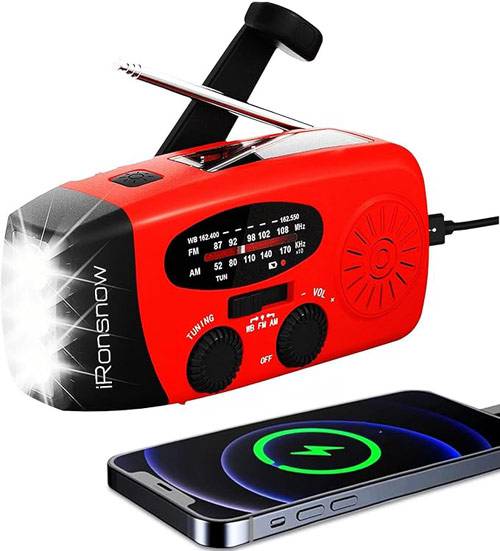
During a major power outage, mobile phones and internet services may become unreliable. The Government recommends keeping fully charged power banks and a battery-operated, wind-up or solar-powered radio available to receive important updates. - Medication and First Aid Supplies
Households should maintain a well-stocked first aid kit and, where possible, ensure essential prescription medicines are available. Copies of prescriptions, medical information and important emergency contacts should also be kept somewhere safe and accessible. - Emergency Food Supplies
A supply of non-perishable food can be extremely useful if shops close, transport is disrupted or cooking facilities become unavailable. Families should regularly check expiry dates and remember the needs of children, older people and pets. Parents who use baby formula are advised to keep an additional supply of ready-to-feed formula. - Hygiene and Personal Care
Essential hygiene supplies, including toilet paper, sanitary products, nappies and personal care items, should be kept available for everyone in the household. - Important Documents and Spare Keys
Passports, birth certificates, driving licences, insurance information and important medical documents should be stored securely, preferably in waterproof protection. Spare house and car keys should also be easily accessible when needed.
What If You Have to Leave Your Home?
The Government also advises residents to think ahead about what they would need if an emergency evacuation became necessary.
Important items include:
Essential medication and personal hygiene products.
Warm clothing and waterproof jackets.
Mobile phones, chargers and power banks.
Passports, identification and important documents.
Cash and bank cards.
A road map in case satellite navigation is unavailable.
Families should also consider how they would assist children, elderly relatives, vulnerable neighbours and pets during an emergency.
A Small Amount of Preparation Could Make a Big Difference
The Government’s campaign encourages everyone to become more aware of possible risks, create a basic household emergency plan and remain connected with family members, neighbours and reliable information sources.
Residents are encouraged to read their emergency preparedness booklet carefully, complete the important contact information section and keep it in a place where it can be found quickly. The advice is particularly relevant as Ireland faces the possibility of severe weather and associated disruption during the winter months.
The message is simple: preparing a few essential supplies today could help keep you and your family safer when an unexpected emergency strikes.
The official guidance and emergency preparedness booklet are available through www.gov.ie/BeEmergencyReady.





Leave a Reply