- 55% of wastewater treatment plants in Ireland discharged wastewater that failed to meet EPA standards designed to prevent pollution.
- Failures at half of these treatment plants were due to inadequate operation and maintenance.
- Four more towns and villages stopped discharging raw sewage following connection to new treatment plants.
- Essential wastewater infrastructure upgrades needed to prevent pollution and protect the environment are not being delivered quickly enough.
The Environmental Protection Agency (EPA) published its Urban Wastewater Treatment in 2025. The report today, highlights the need to accelerate the delivery of wastewater infrastructure and improve the operation and maintenance of existing treatment plants.
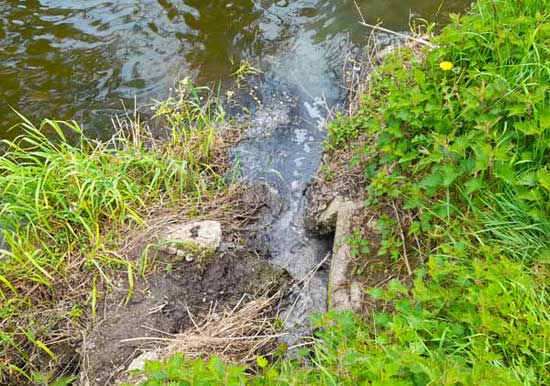
Investment at priority areas identified by the EPA continues to deliver environmental improvements while supporting housing development and sustainable economic growth. However, the necessary treatment infrastructure is not being delivered quickly enough or at the scale required. Furthermore, existing treatment plants are not being properly operated and maintained, undermining the environmental benefits of increased investment in new wastewater infrastructure. As a result, wastewater discharges continue to harm water quality in rivers, estuaries, lakes and coastal waters, and pose a risk to human health.
Wastewater discharged from 55% of licensed treatment plants did not consistently meet the standards set in wastewater discharge licences by the EPA to prevent pollution and protect the environment. Roughly half of failures were due to deficient infrastructure, while the other half were due to poor operation and maintenance.
Launching the report, Mr Pat Byrne, Director of the EPA’s Office of Radiation Protection and Environmental Monitoring said: “Investment in new treatment plants is helping to protect the environment and delivering benefits for local communities, such as in Ramelton, Rathmullan and Milford in Co. Donegal. However, EPA inspections continue to identify poor operational practices and inadequate maintenance of wastewater infrastructure, resulting in wastewater being discharged without proper treatment and adversely impacting water quality. Many of these failures could and should have been prevented, and Uisce Éireann must take immediate and effective action to address these failings.”
While operation and maintenance issues can be addressed in the short term, upgrading deficient infrastructure is a longer-term challenge because of the scale of work involved and the investment required. The EPA has identified 72 priority areas where action is most urgently needed to prevent pollution and protect the environment. These include 13 towns and cities that failed to meet mandatory European-wide wastewater treatment standards introduced more than thirty years ago.
Mr Noel Byrne, EPA Programme Manager, said: “It is encouraging to see critical infrastructure projects such as the upgrade of Ringsend treatment plant being delivered. However, progress by Uisce Éireann in delivering works at many EPA priority areas remains too slow, with around 60% of these areas still not started. This is prolonging impacts on the environment. Uisce Éireann must accelerate the delivery of these essential improvements.”
The EPA’s Urban Wastewater Treatment in 2025 report and the list of priority areas are available on the EPA website. The priority areas list includes the environmental issues at each location and Uisce Éireann’s plans to address them.





Leave a Reply