A Relic at the Centre of Debate.
The Shroud of Turin, a 14-foot linen cloth bearing the image of a man, remains one of Christianity’s most debated relics. Many believers regard it as the burial cloth of Jesus Christ.
Radiocarbon testing conducted in 1988 dated the tested material to the medieval period. Other researchers have continued investigating whether biological traces might reveal more about the cloth’s history.
What the Reported Research Found.
According to the supplied report, a study published in Scientific Reports in July 2026 examined 12 samples collected during a 1978 investigation. Researchers led by Professor Gianni Barcaccia of the University of Padua used advanced DNA sequencing to explore their biological contents.
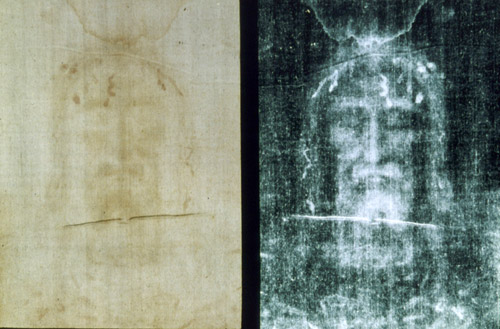
The team detected several human maternal lineages, including H33, (ancient human maternal DNA), a rare lineage found today among some Near Eastern populations, particularly the Druze, (latter a close-knit, Arabic-speaking people united by both a shared ethnic background and a common religious faith), group of about one million people living primarily in Syria, Lebanon, and Israel..
Salt-loving microorganisms were also identified. These findings raised questions about whether the cloth encountered saline conditions during storage, travel or flax processing. They do not establish that it was kept near the Dead Sea.
Centuries of Handling Leave Their Mark.
Contamination was a major obstacle. A maternal lineage dominant in three samples matched that of Professor Pierluigi Baima Bollone, who collected the material in 1978. Researchers considered handling by Bollone, or a close relative, a likely explanation.
The samples also contained common skin bacteria and a complex mixture of mitochondrial DNA variants, indicating contact with numerous people. This makes it extremely difficult to isolate genetic material from anyone who may originally have been wrapped in the cloth.
The Near Eastern H33 lineage had also appeared in the team’s 2015 research, so its detection was not entirely new.
Biological Traces Tell a Complicated Story.
Beyond human DNA, researchers reported fungi, plants, animals and Mediterranean coral.
Plant traces included crops originating in the Americas, such as maize, tomatoes, potatoes, peppers and peanuts. Their presence suggests that at least some biological material accumulated in later centuries.
No identified plant was exclusive to the Levant, (a subregion of West Asia along the Eastern Mediterranean that forms part of the Middle East), and the researchers could not determine precisely where or when the various traces reached the cloth.
Protein testing reportedly identified no ancient biological material. Dating of two loose threads reflected documented repairs rather than establishing the age of the original linen.
What the Evidence Can and Cannot Show.
The reported findings offer clues about the Shroud’s exposure to people and environments over time. However, DNA associated with a region does not establish where the cloth was made, its age or the identity of anyone it covered.
The researchers could not determine whether the Shroud originated in medieval Europe or approximately 2,000 years ago.
For believers, it remains an object of profound religious significance. Scientifically, this research does not prove that it wrapped Jesus or corroborate his resurrection.





Leave a Reply