When Does Somebody Else’s Pollution Become Our Responsibility?
Since yesterday September 1st 2026, Ireland’s fixed, on-the-spot fine for littering has increased from €150 to €250. This includes rubbish thrown from cars; whether it is a cigarette butt, bottle, food container or takeaway wrapper.
But fines raise a bigger question:
At what point does somebody else’s pollution become our responsibility, especially when it enters a local river or waterway?Responsibility begins with the person who discarded the waste. Irish law prohibits causing or permitting polluting matter to enter waterways. Local authorities can investigate pollution, require remedial action and prosecute offenders.
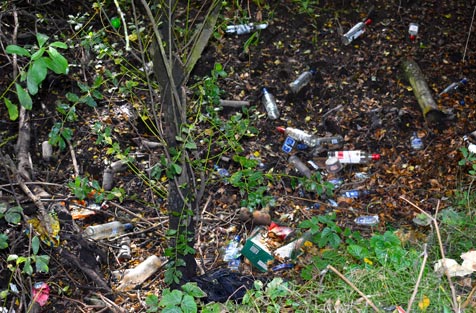
However, responsibility cannot end with the individual. Many communities like Thurles town, point to too few conveniently located litter bins, or bins that are full or poorly maintained, in town centres, recreational areas and beside popular walking routes. Public-bin provision and maintenance are local-authority services, so councils also have a role in supplying suitable infrastructure where litter is regularly generated.
However, a lack of bins is never an excuse to throw rubbish from a car or throw it in or beside a river. If no bin is available, we must take our waste home. Nevertheless, enforcement works best when it is accompanied by adequate bins, regular collections, public education and convenient recycling facilities. Fining people without addressing obvious gaps in infrastructure tackles only part of the problem.
Once discarded, litter rarely remains where it falls. Rain washes roadside waste into drains, streams and rivers often promoted by Co. Councils. Currents carry it through neighbouring communities and towards lakes and the sea, where it can harm wildlife, obstruct waterways and leave the public paying for its removal.
Ordinary residents are not legally responsible for another person’s offence. But once we see pollution threatening a shared waterway, we acquire a civic responsibility; report it, refuse to ignore it and support safe efforts to protect the area.
In the Republic of Ireland, litter, illegal dumping, overflowing public bins and local water pollution can be reported to the relevant city or county council. The EPA also recommends its “See It? Say It!” app, which sends photographs and location details to the appropriate authority.
The person who pollutes should pay.
Councils must provide sensible disposal facilities and enforce the law. Communities should not be expected to continually clean up after repeat offenders, but silence allows the damage to travel downstream.
The litter may belong to somebody else, but the river belongs to all of us.
Personal responsibility, proper infrastructure and effective enforcement must work together.







Fair play George for continuing to highlight the condition of the Suir and litter. The Government have absolutely no interest in either. Where are the ‘Keep Ireland Tidy’ signs? You never see them anywhere anymore. Fines are a joke. When people drive through out any road of Thurles with their eyes on their phone and get away with it, then how can we expect anybody to catch somebody throwing litter and prosecute them? 250 euro is a pathetic deterrent anyway.
We need to place surreptitious cameras on litter blackspots and catch drivers and change any laws that need to be changed to allow this to happen. Any if anyone is caught doing this, then it is points on their driver’s license regardless of who threw the litter out. The biggest litter problem is on the country roads and motorways of Ireland. I was driving out the Littleton road the other day and could already see the McDonalds wrappers. That road is choc a block with litter. It’s a disgrace!
The law also needs to change to compel property owners to pick litter from the frontages of their property like the way they are currently obligated to cut hedges. It would need careful orchestration on the grounds of health and safety but on a certain day(s) over the year, ideally the same time the hedge cutting takes place, the stretch of road is coned off to allow this to happen so nobody ends up in the ditch with the litter. It is completely unrealistic to expect the Council to be on top of it.