As we already stated on Tuesday last March 17th, Thurles was alive with atmosphere and community pride as the town celebrated St Patrick’s Day with a well-attended parade that brought people together from across the area.
Video: Courtesy G. Willoughby.
Despite cold and cloudy conditions, large crowds gathered along the streets of Thurles, creating a vibrant and welcoming scene throughout the day. Families, friends, neighbours and visitors turned out in great numbers, with a strong sense of occasion evident from beginning to end.
The parade was a fitting reflection of the spirit of Thurles and the wider mid-County Tipperary community. It showcased the town’s warmth, resilience and pride, while also highlighting the importance of St Patrick’s Day as one of the most significant dates in Ireland’s cultural and civic calendar.
People of all ages joined in the celebrations, lining the route in good spirits, applauding participants and embracing the event with enthusiasm. The day offered a strong expression of local identity and community togetherness, as residents and visitors alike came together to celebrate Irish heritage and shared belonging.
Thurles continues to be a thriving and proud town in County Tipperary, and this year’s St Patrick’s Day parade once again demonstrated the strong community values for which it is so well known. The lively crowds and positive atmosphere underlined the town’s reputation as a friendly, welcoming and united place.
The celebration was a reminder of the enduring importance of community events in bringing people together and strengthening local connections. In Thurles, St Patrick’s Day 2026 was marked not only with colour and festivity, but with a genuine sense of pride, unity and shared celebration.
Thurles Co. Tipperary came alive today as the rural heart of mid-County Tipperary marked St Patrick’s Day with a parade that reflected the warmth, pride and community spirit for which the town is so well known. Despite the cold and cloudy conditions, large crowds gathered along the streets in great numbers, creating a lively and welcoming atmosphere from start to finish. Thurles is a thriving town in County Tipperary, and St Patrick’s Day, celebrated each year on 17th March, remains one of the most important occasions in Ireland’s civic and cultural calendar.
Families, friends, neighbours and visitors of all ages turned out in good spirits, wrapped up against the chill but full of enthusiasm and festive cheer. The parade offered a proud display of local identity, bringing together a broad and mixed population in a shared celebration of Irish heritage, community and belonging. The sight of the crowd lining the route, applauding participants and waving flags, captured the very best of Thurles; resilient, friendly and united.
Video: Courtesy G. Willoughby.
Today’s event was a reminder that even under grey skies, the spirit of St Patrick’s Day shines brightly in towns such as Thurles. The success of the parade is a credit to the organisers, volunteers, participants and all those who attended and supported the celebration. Their contribution ensured a memorable occasion that honoured tradition while strengthening the bonds of community that continue to define Thurles.
A great hush has fallen over Irish music with the passing yesterday of Ms Dolores Keane, one of the most cherished and soul-stirring voices this country has ever known.
Dolores Keane died peacefully in her sleep at her home in Caherlistrane, Co Galway, aged 72 years, leaving behind not only a body of music of rare beauty, but a deep sense of gratitude among all who were moved by her singing. Current reporting remembers her as one of the defining voices of Irish folk and traditional music.
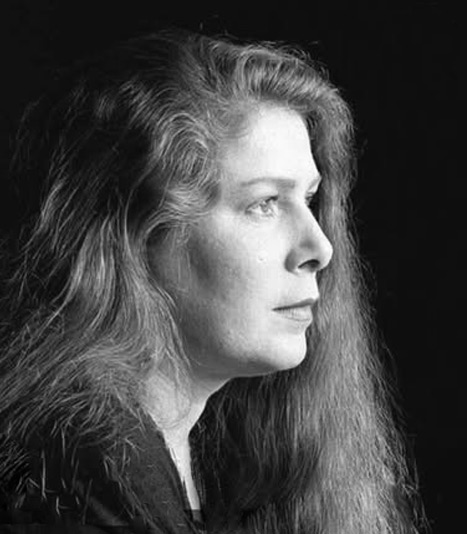
Late Ms Dolores Keane(26th September 1953 – 16th March 2026)R.I.P.
For decades, Dolores sang as though she were carrying the memory of a people. In her voice lived the tenderness of home, the ache of longing, the strength of women, and the old unbroken thread of song handed down through family and place. She did not merely perform music; she inhabited it, and in doing so gave something timeless to Irish culture.
Born into the renowned Keane family, Dolores was shaped by a house full of songs, stories and visiting musicians. From those early roots in Galway grew an artist of extraordinary grace, first known for singing with her aunts Rita and Sarah Keane, and later celebrated through her work with De Dannan, her collaborations with John Faulkner, and a solo career that brought her voice far beyond these shores.
There was a haunting honesty in Dolores Keane’s singing that could stop people in their tracks. Whether singing a sean-nós air, a love song, or a modern folk ballad, she seemed to reach beyond performance and touch something more intimate and enduring. Her beloved interpretation of “Caledonia” remains one of the songs most closely associated with her; a recording carried for years in the hearts of listeners who found comfort, beauty and home in her voice.
To speak of Dolores Keane is to speak of more than acclaim, recordings or applause. It is to speak of feeling. Of truth. Of a voice that seemed to rise not just from the singer, but from the soil, the hearth, and the generations who sang before her. She gave the old songs new life, and gave contemporary songs an ancient depth. In every phrase, there was humanity.
Lyrics and Vocals: American country folk singer/songwriter and guitarist, the late John Prine(1946 – 2020).
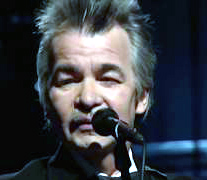
The late John Prine.
“Sam Stone” is ultimately about the hidden cost of war; not glory, not victory. A soldier comes home alive, but not whole, and his pain turns into addiction, family suffering, and finally death. The author, the late John Prine, uses Sam’s story to show how veterans can be praised for their service, yet still be left alone to deal with trauma and dependence, once they return home, making the song both a personal tragedy and a quiet anti-war statement. The line about Jesus Christ, expresses Sam’s feeling that sacrifice, patriotism, religion, and public ideals have failed to save him.
Sam Stone.
Sam Stone.
Sam Stone came home, To his wife and family, After serving in the conflict overseas. And the time that he served, Had shattered all his nerves, And left a little shrapnel in his knees. But the morphine eased the pain, And the grass grew round his brain, And gave him all the confidence he lacked. With a purple heart and a monkey on his back, There’s a hole in Daddy’s arm where all the money goes, Jesus Christ died for nothin’ I suppose. Little pitchers have big ears, Don’t stop to count the years, Sweet songs never last too long on broken radios, (mmhmm). Sam Stone’s welcome home, Didn’t last too long. He went to work when he’d spent his last dime, And Sammy took to stealing, When he got that empty feeling, For a hundred dollar habit without overtime. And the gold rolled through his veins, Like a thousand railroad trains, And eased his mind in the hours that he chose, While the kids ran around wearin’ other peoples’ clothes. There’s a hole in daddy’s arm where all the money goes, Jesus Christ died for nothin’ I suppose. Little pitchers have big ears, Don’t stop to count the years, Sweet songs never last too long on broken radios, (mmhmm). Sam Stone was alone, When he popped his last balloon, Climbing walls while sitting in a chair. Well, he played his last request, While the room smelled just like death. With an overdose hovering in the air. But life had lost its fun, There was nothing to be done, But trade his house that he bought on the GI bill, For a flag-draped casket on a local hero’s hill. There’s a hole in Daddy’s arm where all the money goes, Jesus Christ died for nothin’ I suppose. Little pitchers have big ears, Don’t stop to count the years, Sweet songs never last too long on broken radios, (mmhmm).
Lyrics:American songwriter Randy Goodrum. Vocals:Canadian country, pop and adult contemporary music singer Anne Murray.
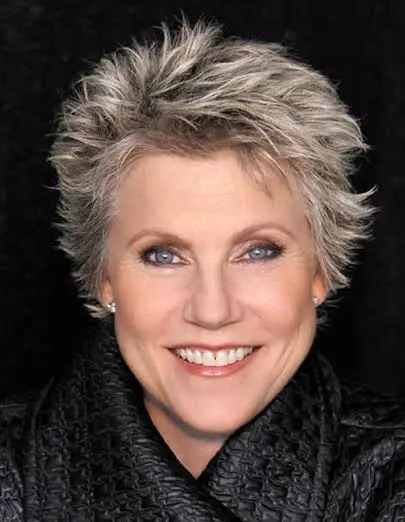
Anne Murray.
You Needed Me.
Here’s a beautiful classic made famous by Ms Anne Murray, “You Needed Me“. It’s a song about love, comfort, and being there for someone when they need you most. I hope this one brings back a few memories.”
You Needed Me.
I cried a tear, you wiped it dry, I was confused, you cleared my mind, I sold my soul, you bought it back for me, And held me up and gave me dignity, Somehow, you needed me.
You gave me strength to stand alone again, To face the world out on my own again, You put me high upon a pedestal, So high that I could almost see eternity, You needed me. You needed me.
And I can’t believe it’s you I can’t believe it’s true! I needed you and you were there, And I’ll never leave, why should I leave? I’d be a fool, ‘Cause I finally found someone who really cares,
You held my hand when it was cold, When I was lost you took me home, You gave me hope when I was at the end, And turned my lies back into truth again, You even called me friend.
You gave me strength to stand alone again, To face the world out on my own again, You put me high upon a pedestal, So high that I could almost see eternity, You needed me. You needed me. You needed me. You needed me. END
This website uses cookies to improve your experience. We'll assume you're ok with this, but you can opt-out if you wish.AcceptRead More
Privacy & Cookies Policy
Privacy Overview
This website uses cookies to improve your experience while you navigate through the website. Out of these, the cookies that are categorized as necessary are stored on your browser as they are essential for the working of basic functionalities of the website. We also use third-party cookies that help us analyze and understand how you use this website. These cookies will be stored in your browser only with your consent. You also have the option to opt-out of these cookies. But opting out of some of these cookies may affect your browsing experience.
Necessary cookies are absolutely essential for the website to function properly. This category only includes cookies that ensures basic functionalities and security features of the website. These cookies do not store any personal information.
Any cookies that may not be particularly necessary for the website to function and is used specifically to collect user personal data via analytics, ads, other embedded contents are termed as non-necessary cookies. It is mandatory to procure user consent prior to running these cookies on your website.






Recent Comments