|
|
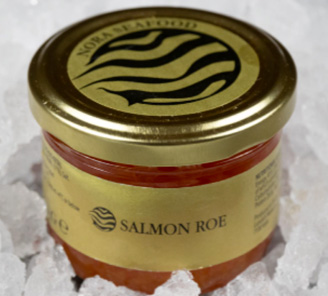
Food Safety Authority of Ireland confirm recall of a batch of Nora Salmon Roe, due to possible presence of pieces of glass.
Alert Summary dated today, Thursday, July 25th 2024.
Category 1: For Action.
Alert Notification: 2024.34.
Product Identification: Nora Salmon Roe; jar size: 100g.
Batch Code: L4074; best before date: 14/09/2025.
Message:
The above batch of Nora Salmon Roe is being recalled due to the possible presence of pieces of glass. Recall notices will be displayed at point-of-sale.
Action Required:
Inspectors: Distribution details will be provided to relevant official agencies. Please notify the FSAI of any concerns.
Manufacturers, wholesalers, distributors, caterers & retailers: Retailers are requested to remove the implicated batch from sale and display recall notices at point-of-sale.
Consumers: Consumers are advised not to eat the implicated batch.
The Food Safety Authority of Ireland (FSAI) today states that it has been highlighted at EU level that there have been a low, but persistent, number of food-borne illnesses related to the consumption of raw or uncooked beans. These food-borne illnesses relate to the presence of naturally occurring lectins*, which are found in some varieties of fresh and dried beans.
* Note Lectins are proteins found in many plants such as tomatoes, potatoes and whole grains.
However, legumes (green beans, lentils, peas, kidney beans, French beans, sugar snap peas, etc.) contain the highest amounts of lectins. Properly prepared legumes are a low-cost source of nutrients which are important in maintaining good health. They are considered a source of good quality protein and soluble fibre and are low in fat and calories. However, it is the consumption of uncooked or insufficiently prepared legumes that can cause illness in some consumers, due to the presence of lectins.
The FSAI recommends that consumers take the following precautions to reduce or eliminate the harmful properties of lectins, thereby making legumes safe to eat:
- Dried Beans: The product manufacturer’s instructions should be followed for the preparation of these beans. In the absence of cooking instructions, dried beans should be first soaked for at least 12 hours. It is important to discard the water used for soaking, and to use fresh water for the cooking step to ensure the removal of lectins present in the water that was used for soaking. The beans should then be boiled for at least 30 minutes before eating them.
- Fresh Beans: These beans should be rinsed thoroughly in fresh water and cooked/boiled for 10 minutes before eating them.
- Canned Beans or Beans in Jars: These types of beans are already fully cooked, which ensures that lectins are destroyed. It is important to follow the manufacturer’s instructions for the preparation and consumption of these beans.
Dr Pamela Byrne, Chief Executive, FSAI, today states that whilst Ireland has a low incidence of food-borne illness associated with the consumption of improperly prepared legumes, consumers should note this advice and adjust their food habits accordingly.
Ms Byrne stated; “Over the last few years, lectins have become a potential cause of food-borne illness across a number of EU countries. This may be linked to an increase in the consumption of raw vegetables, as some people seek a more plant-based diet. Whilst legumes are a nutritious food, eating them raw or undercooked should be avoided, due to the presence of lectins. The severity of illness depends on the type of lectin consumed, the amount consumed, and an individual’s sensitivity to that type of lectin.”
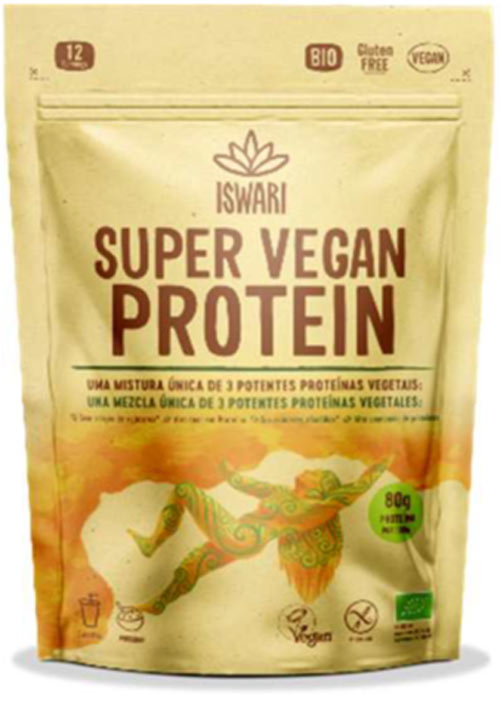
Food Safety Authority of Ireland confirm the presence of gluten in specific batches of Iswari Super Vegan Protein.
Alert Summary dated Friday, July 19th 2024
Allergy Alert Notification: 2024.A25.
Allergen: Cereals containing gluten.
Product Identification: Iswari Super Vegan Protein; pack size: 250g.
Batch Code: Please see table immediately hereunder.
Batch & Best Before Date
L2260PA2406 —30/09/2025.
L2110PA2405 —30/09/2025.
10L2110PA2405—30/09/2025.
Message:
The above batches of Iswari Super Vegan Protein contain a rice ingredient that is contaminated with cereals containing gluten, which is not declared in the list of ingredients.
This may make these batches unsafe for consumers, latter who are allergic to or intolerant of cereals containing gluten.
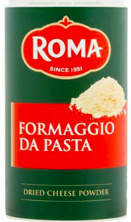
The Food Safety Authority of Ireland have confirmed the recall of a batch of Roma Formaggio da Pasta due to possible presence of mould.
Alert Summary dated Thursday, July 18th 2024.
Category 1: For Action.
Alert Notification: 2024.33.
Product Identification: Roma Formaggio da Pasta Dried Cheese Powder; pack size: 80g.
Batch Code: Best before date: 21.03.2025.
Country Of Origin: Netherlands.
Message:
The above batch of Roma Formaggio da Pasta is being recalled due to the possible presence of mould. Recall notices will be displayed at point-of-sale.
Action Required:
Retailers: Same are requested to remove the implicated batch from sale, and display recall notices at all points-of-sale.
Wholesalers/distributors: Same are requested to contact their affected customers and recall the implicated batch and provide a point-of-sale recall notice to their retailer customers.
Consumers: Consumers are advised not to eat the affected batch.
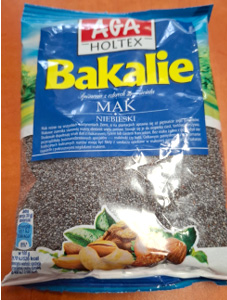
Food Safety Authority of Ireland confirm recall of a batch of Aga Holtex Bakalie Mak Niebieski (blue poppy seeds), due to elevated levels of opium alkaloids.
Alert Summary dated Wednesday, July 17th 2024.
Category 1: For Action.
Alert Notification: 2024.32.
Product Identification: Aga Holtex Bakalie Mak Niebieski (blue poppy seeds); pack size: 200g.
Batch Code: 1180/1/44; best before: 31/12/2024.
Country Of Origin: Czech Republic.
Message:
The above batch of Aga Holtex Bakalie Mak Niebieski (blue poppy seeds) are being recalled due to elevated levels of opium alkaloids.
Action Required:
Retailers: Retailers are requested to remove the implicated batch from sale and display recall notices at point-of-sale.
Consumers: Consumers should not eat the implicated batch.
|
Support Us Help keep Thurles.info online by donating below. Thank you.
Total Donated 2026: €290.00
Thank You!
Daily Thurles Mass Livestream
|





Recent Comments