|
|
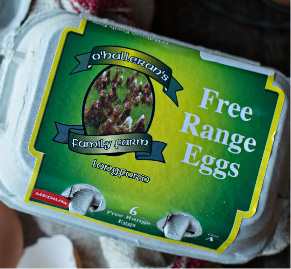
Food Safety Authority Of Ireland warn of recall of batches of O’Halleran Family Farm Free Range Eggs, due to the possible presence of Salmonella.
Alert Summary dated Saturday, December 14th 2024
Category 1: For Action
Alert Notification: 2024.60
Product Identification: O’Halleran Family Farm Free Range Eggs
Batch Code: This only applies to packs with the egg producer number 1 IE N01, with the following Best Before Dates; 03/12/2024; 10/12/2024; 17/12/2024; 24/12/2024 and 31/12/2024.
Country Of Origin: Longford, Ireland.
Message:
O’Halleran Family Farm is recalling the above batches of their Free Range Eggs due to the possible presence of Salmonella. Point-of-sale recall notices will be displayed in stores supplied with the implicated batches.
Nature Of Danger: People infected with Salmonella typically develop symptoms between 12 and 36 hours after infection, but this can range between 6 and 72 hours. The most common symptom is diarrhoea, which can sometimes be bloody. Other symptoms may include fever, headache and abdominal cramps. The illness usually lasts 4 to 7 days. Diarrhoea can occasionally be severe enough to require hospital admission. The elderly, infants, and those with impaired immune systems are more likely to have a severe illness.
Action Required: Manufacturers, wholesalers, distributors, caterers & retailers:
Retailers, including market stalls and online retailers, are requested to remove the implicated batches from sale and display recall notices at point-of-sale.
Caterers/restaurants/cafes are requested to cease using the implicated batches immediately.
Wholesalers are requested to withdraw and recall the implicated batches from their customers and instruct them to display recall notices at point-of-sale. Wholesalers must notify their inspector of any onward distribution of the implicated batches.
Consumers: Consumers are advised not to eat the implicated batches.
Food Safety Authority Of Ireland Warn of the recall of a batch of Chrissy’s Cookies & Cream Cheesecake, due to the possible presence of Listeria monocytogenes
Alert Summary dated Saturday, December 14th 2024.
Category 1: For Action.
Alert Notification: 2024.61.
Product Identification: Chrissy’s Cookies & Cream Cheesecake.
Batch Code: Batch 337 with a use by date of 19.12.24.
Country Of Origin: Kerry, Ireland.
Message: Chrissy’s Cheesecakes is recalling the above batch of their Cookies & Cream Cheesecake due to the possible presence of Listeria monocytogenes.
Nature Of Danger: Symptoms of Listeria monocytogenes infection can include mild flu-like symptoms, or gastrointestinal symptoms such as nausea, vomiting and diarrhoea. In rare cases, the infection can be more severe, causing serious complications. Some people are more vulnerable to Listeria monocytogenes infections, including pregnant women, babies, and people with weakened immune systems, including the elderly. The incubation period (time between initial infection and first symptoms appearing) is on average 3 weeks but can range between 3 and 70 days.
Action Required: Manufacturers, wholesalers, distributors, caterers & retailers:
Retailers are requested to remove the implicated batch from sale and display recall notices at point-of-sale.
Caterers should not use the implicated batch.
Consumers: Consumers are advised not to eat / drink / use the implicated batch.
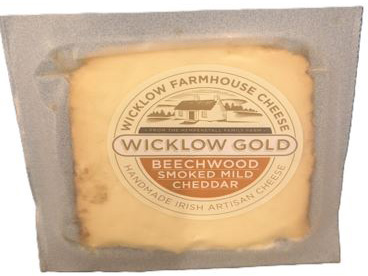
Food Safety Authority Of Ireland Warn Of Recall Of Wicklow Farmhouse Cheese Wicklow Gold Beechwood Smoked Irish Cheddar, due to the possible presence of Listeria Monocytogenes.
Food Alert Summary dated Friday, December 13th 2024.
Category 1: For Action.
Alert Notification: 2024.58.
Product Identification: Wicklow Gold Beechwood Smoked Irish Cheddar; all pack sizes.
Batch Code: Use by 28/02/2025.
Country Of Origin: Ireland.
Message:
Wicklow Farmhouse Cheese is recalling the above batch of its Wicklow Gold Beechwood Smoked Irish Cheddar, due to the possible presence of Listeria monocytogenes.
Nature Of Danger:
Symptoms of Listeria monocytogenes infection can include mild flu-like symptoms, or gastrointestinal symptoms such as nausea, vomiting and diarrhoea. In rare cases, the infection can be more severe, causing serious complications. Some people are more vulnerable to Listeria monocytogenes infections, including pregnant women, babies, and people with weakened immune systems, including the elderly. The incubation period (time between initial infection and first symptoms appearing) is on average 3 weeks but can range between 3 and 70 days.
Action Required: Manufacturers, wholesalers, distributors, caterers & retailers:
Retailers are requested to remove the implicated cheeses from sale and display recall notices at point-of-sale.
Wholesalers/distributors are requested to contact their affected customers and recall the implicated cheeses and provide a point-of-sale recall notice to their retailer customers.
Caterers should not use the affected cheeses.
Consumers: Consumers are advised not to eat the affected cheeses.
Food Safety Authority Of Ireland Warn Of Recall of Dunnes Stores Beechwood Smoked and Tomato & Herb Wicklow Cheddar, due to the possible presence of Listeria Monocytogenes.
Food Alert Summary dated Friday, December 13th 2024.
Category 1: For Action
Alert Notification: 2024.5
Product Identification: Dunnes Stores Beechwood Smoked Wicklow Cheddar; all pack sizes.
Dunnes Stores Tomato & Herb Wicklow Cheddar: all pack sizes.
Batch Code: Batch codes 24182, 24302; use by dates 28/02/2025, 09/02/2025
Country Of Origin: Ireland
Message:
Dunnes Stores is now recalling the above batches of its Beechwood Smoked and Tomato & Herb Wicklow Cheddar, due to the possible presence of Listeria monocytogenes.
Nature Of Danger:
Symptoms of Listeria monocytogenes infection can include mild flu-like symptoms, or gastrointestinal symptoms such as nausea, vomiting and diarrhoea.
In rare cases, the infection can be more severe, causing serious complications. Some people are more vulnerable to Listeria monocytogenes infections, including pregnant women, babies, and people with weakened immune systems, including the elderly. The incubation period (time between initial infection and first symptoms appearing) is on average 3 weeks, but can range between 3 and 70 days.
Action Required: Manufacturers, wholesalers, distributors, caterers & retailers:
Retailers are requested to remove the implicated cheeses from sale and display recall notices at point-of-sale.
Wholesalers/Distributors are requested to contact their affected customers and recall the implicated cheeses and provide a point-of-sale recall notice to their retailer customers.
Caterers should not use the affected cheeses.
Consumers: Consumers are advised not to eat the affected cheeses.
New data identifies disparities persisting in survival cancer rates around Ireland, following a new report, from National Cancer Registry Ireland, (NCRI) covering years 2020 to 2022. This report examines the four most common forms of cancers in Ireland; namely lung, bowel, breast and prostate cancers.
During the aforementioned period an average of 44,000 tumours were diagnosed each year, with over half potentially life-changing and requiring extensive treatments.
Some 9,800 deaths were recorded annually, with one in five of these fatalities relating to lung cancer.
An estimated 220,000 people, (or 4% of the population), were identified as living with, or in long-term remission from the disease.
The survival rate, five years after diagnosis, for those with colorectal, lung or breast cancer was found to be lowest in the mid-west region, latter which covers North Tipperary, Clare and Limerick; with survival rates remaining between four and five percentage points lower, when compared with similar cases in the rest of Ireland.
This report demonstrates the very necessary and urgent need for improvements within the mid-west region, when it comes to prevention, screening and early diagnosis; right through to fast access to services and successful treatment outcomes.
|
Support Us Help keep Thurles.info online by donating below. Thank you.
Total Donated 2026: €290.00
Thank You!
Daily Thurles Mass Livestream
|








Recent Comments