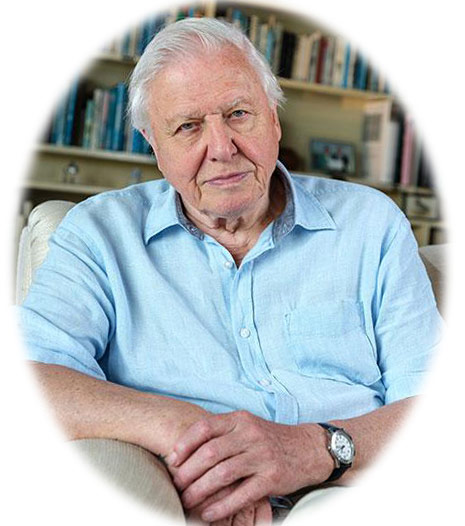
Legendary British broadcaster and natural historian Sir David Attenborough marked his 100th birthday, today Friday, May 8th 2026, receiving an extraordinary wave of tributes from around the world, after more than seven decades spent bringing the wonders of nature into millions of homes.
Born on May 8th, 1926 in Isleworth, Middlesex, England, Sir David has become one of the most respected and recognisable voices in broadcasting history.
In a heartfelt audio message released by the BBC, Sir David said he had expected a quiet celebration but was deeply moved by the global response to his milestone birthday. Messages arrived from children, families, schools and care homes, reflecting the affection generations of viewers feel for the man whose storytelling transformed wildlife filmmaking.
Across Britain, celebrations were organised to honour his remarkable contribution to television and environmental awareness. The BBC scheduled a week of special programming dedicated to his life and work, while events including concerts at London’s Royal Albert Hall, museum exhibitions, nature walks and tree-planting ceremonies were held nationwide.
For over 70 years, Sir David has documented the beauty, complexity and fragility of the natural world. His groundbreaking documentaries, including Life on Earth, The Blue Planet, Frozen Planet and Dynasties, revolutionised natural history broadcasting and inspired millions to care about wildlife and conservation.
Some of his most unforgettable moments include a famous encounter with playful mountain gorillas during the filming of Life on Earth, dramatic footage of orcas hunting seals in icy waters, and his emotional narration of the story of “Lonesome George,” the final surviving Pinta Island tortoise whose death marked the extinction of his species. These powerful scenes helped audiences understand both the wonder and vulnerability of life on Earth.
In recent decades, Attenborough has become one of the world’s strongest advocates for environmental protection. His acclaimed 2017 series Blue Planet II highlighted the devastating impact of plastic pollution in the oceans and sparked public pressure for action on waste reduction and conservation measures worldwide.
Despite his global fame, colleagues and friends often describe Attenborough as modest and deeply committed to public service. Producer Mike Gunton said Attenborough viewed himself not as a celebrity, but as someone fortunate enough to speak on behalf of the natural world.
Even at 100, Attenborough remains actively involved in filmmaking. One of the latest BBC projects celebrating his centenary is Secret Garden, a series exploring the hidden wildlife thriving in Britain’s gardens and green spaces.
Attenborough’s career began at the BBC in the early 1950s, before he rose through the organisation to become a senior television executive. However, his passion for storytelling and wildlife drew him back in front of the camera, leading to the creation of Life on Earth in 1979 — the landmark series that established him as a household name around the globe.
Today, Sir David Attenborough is regarded not only as a pioneering broadcaster, but also as one of the most influential communicators of science and conservation in modern history. His work has inspired generations to appreciate the natural world and to recognise the urgent need to protect it for the future.





A LOVELY MAN