The Food Safety Authority of Ireland (FSAI) is advising consumers, particularly pregnant women and women who are breastfeeding, not to consume calabash chalk due to the presence of high levels of lead.
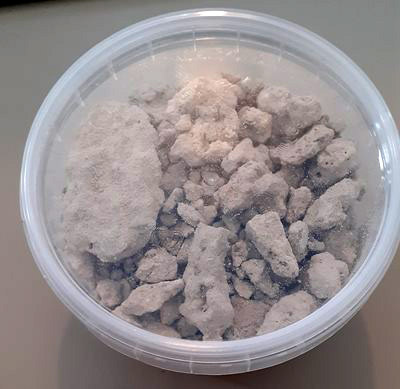
Calabash chalk (also known as calabar chalk, calabar stone, la craie, argile, nzu, ndom, eko and mabele) is sometimes consumed as a traditional remedy for morning sickness. However, eating it can significantly increase exposure to lead, which is harmful, particularly to unborn babies and infants.
Lead is a toxic metal that can accumulate in the body over time and can be transferred to unborn babies during pregnancy and to infants during breastfeeding. Exposure to lead is associated with a range of adverse health effects, particularly its impact on the developing brain of unborn babies and young infants.
Calabash chalk may be naturally occurring, composed of fossilised seashells, or artificially produced from a mixture of clay, sand, wood ash and other materials. The product is imported into Ireland and can be found in some ethnic shops, typically sold in blocks, pellets or powders, often with limited labelling or consumer information.
Mr Greg Dempsey, Chief Executive, FSAI urged pregnant and breastfeeding women not to eat this product.
“High levels of lead in calabash chalk is a serious public health concern. Lead can have harmful effects, particularly for unborn babies and infants, where it can severely affect how a child’s body grows and their brain develops. At very high levels, lead poisoning can be fatal. We advise pregnant women and women who are breastfeeding not to eat this product,” said Mr Dempsey.
Women who are pregnant or breastfeeding and have consumed calabash chalk should stop using the product.
Those who feel unwell should seek medical advice.





Leave a Reply