Every spring, Ireland is encouraged to embrace “No Mow May”, the growing environmental campaign that asks homeowners, schools and local authorities to leave grass uncut in support of bees, pollinators and biodiversity. Wildflowers bloom, insects return and urban spaces become noticeably greener.
At the very same time, however, the HSE is issuing renewed warnings about Lyme disease and the dangers posed by ticks hiding in long grass. This has created an increasingly important conversation; how do we balance environmental goals with public health concerns?
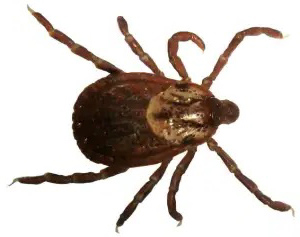
Why the HSE Is Raising Concern.
According to the HSE and the Health Protection Surveillance Centre, ticks are active from spring through autumn and are commonly found in grassy, damp and shaded environments. They are present in both rural and urban Ireland and become more active during the warmer months.
The concern is not simply the tick bite itself, but the possibility of Lyme disease, an infection transmitted through infected ticks. The HSE says “several hundred” cases of milder Lyme disease likely occur annually in Ireland, while more serious neurological forms are reported in smaller numbers each year.
Health officials are particularly advising people to take care in areas of long vegetation. HSE guidance specifically recommends that walkers “keep to footpaths and avoid long grass” where possible.
The Environmental Argument for No Mow May.
Supporters of No Mow May argue that Ireland’s obsession with closely trimmed lawns has come at a cost to biodiversity. Allowing grass to grow naturally for even a few weeks provides habitat and food sources for bees, butterflies and pollinating insects, whose populations have been under pressure for years.
Longer grass also improves soil quality, supports carbon capture and creates more resilient urban ecosystems. In many areas, wildflower meadows have become symbols of climate awareness and environmental responsibility.
For environmental groups, reducing mowing is not about neglect. It is about rethinking how public and private green spaces are managed.
Where the Two Issues Collide.
The difficulty is that ticks thrive in many of the same environments promoted by rewilding initiatives. Long grass, woodland edges, scrub areas and damp vegetation provide ideal habitats for ticks waiting to attach themselves to animals or humans passing by.
That does not mean every unmown lawn becomes dangerous, nor does it mean biodiversity projects should end. But public health experts increasingly believe unmanaged growth in heavily used public areas can unintentionally increase exposure risks.
This debate is becoming more relevant as warmer temperatures and milder winters appear to be extending tick activity in Ireland. Climate-related research and reporting suggest tick populations may continue expanding in the years ahead.
A More Balanced Approach.
What is emerging now is a more balanced idea of “managed rewilding”.
Rather than leaving all spaces untouched, many experts favour maintaining cut pathways through parks and meadow areas, trimming grass around playgrounds and seating areas, and placing public information signs in higher-risk locations.
The message from public health officials is not to avoid nature, but to become more “tick aware”, while enjoying it.
Simple precautions remain highly effective. Wearing long trousers, using insect repellent containing DEET, checking skin and clothing after walks, especially young children, and removing ticks quickly from skin surfaces, all which significantly reduce risk.
The Bigger Conversation.
The debate around ‘No Mow May’ reflects a wider challenge modern societies now face. Environmental policies and public health policies can sometimes overlap in unexpected ways. Creating greener spaces is important. So is protecting people using those spaces.
The answer is unlikely to be found in extremes, neither cutting every patch of grass short nor abandoning management altogether. Instead, the future probably lies in smarter landscape design that supports biodiversity while still recognising genuine health risks.
Ireland’s growing awareness of Lyme disease may ultimately push councils, communities and homeowners toward a more thoughtful approach to rewilding, one where nature is encouraged, but not left entirely unmanaged.





Leave a Reply