In recent weeks, a series of interconnected events, from a cancelled event at Ireland’s National Concert Hall to the interception of a Gaza-bound flotilla, have highlighted the increasingly complex intersection of activism, diplomacy, and public discourse around Israel and Palestine.
Here we attempt to set out the confirmed facts behind these developments, separating them from speculation and clarifying how they connect.
Ireland and the National Concert Hall controversy.
The debate in Ireland began with the cancellation of a fundraising event for Magen David Adom, Israel’s national emergency medical service, at the National Concert Hall in our capital city of Dublin.
The event, which included a cultural performance linked to the 7th October 2023 Hamas attacks, was ultimately cancelled after public pressure and planned protests. Critics, including organisers, described the decision as a form of censorship or “cancel culture”, arguing that it silenced pro-Israel expression. Supporters of the cancellation, however, argued the event was political in nature and inappropriate for a state-supported venue.
What is clear is that the above incident reflects a broader reality in Ireland.
Sadly, Irish cultural institutions are increasingly becoming arenas for geopolitical disputes.
The Global Sumud Flotilla; what it is ?
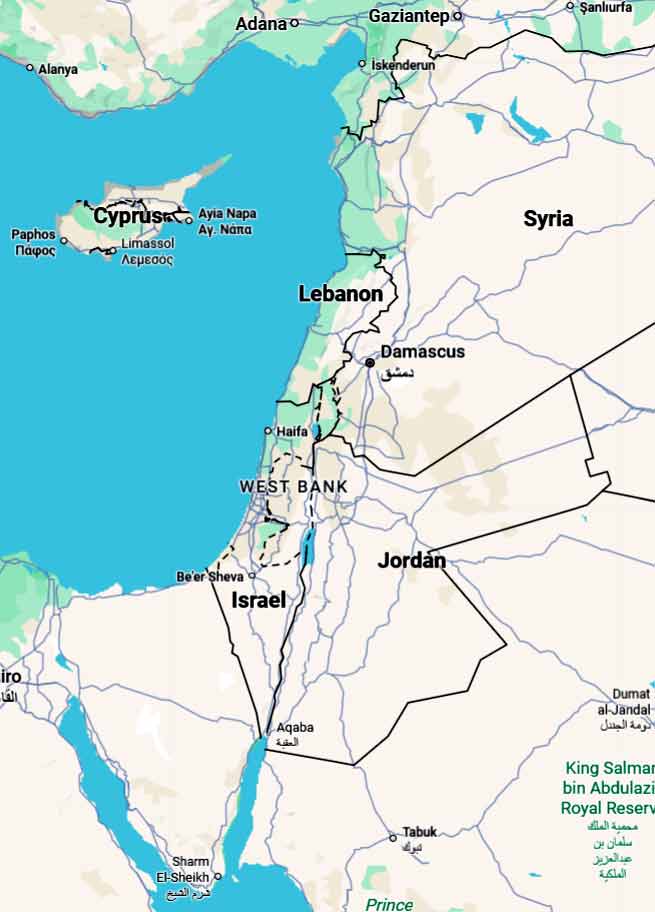
Running parallel to this Irish debate is the Global Sumud Flotilla, a large international activist initiative aiming to deliver about a ton of humanitarian aid to Gaza and challenge Israel’s long-standing blockade.
- This flotilla involved dozens of vessels and over 150 activists.
- It departed from European ports including Barcelona in April 2026.
- Participants came from dozens of countries, including Ireland, Brazil, and Spain.
The flotilla is not a single ship but a coordinated network of boats, which explains why participants experienced different outcomes during its recent interception.
The interception and detention of activists.
In late April 2026, Israeli forces intercepted part of the flotilla in international waters near Greece.
Around 175 activists were detained. Most were transferred to Crete and later released.
However, two prominent figures, Brazilian activist Mr Thiago Ávila and Spanish activist Mr Saif Abu Keshek, were taken to Israel.
An Israeli court subsequently extended their detention, with authorities alleging offences including assisting a terrorist organisation and aiding an enemy during wartime.
However, it is important to note: No formal charges had been filed at the time of the court hearing.
and both activists deny all allegations.
The Nasrallah funeral controversy.
Mr Thiago Ávila has attracted additional scrutiny because of his past activities.
It is confirmed that he attended the funeral of Hezbollah leader Hassan Nasrallah. He also publicly described Nasrallah as an “inspiring” figure. This matters because Hezbollah is designated a terrorist organisation by the European Union.
However, the key distinction is this; Attending such an event is controversial, but it is not, in itself, proof of criminal activity. Instead, it has become part of the broader political narrative surrounding his detention.
So where does Mr Thiago Ávila fit in the flotilla?
Mr Ávila is not just a participant; he is a senior organiser. He sits on the flotilla’s steering committee and he has participated in multiple previous flotilla missions. He has previously been detained and deported by Israel in earlier incidents. Thus his leadership role likely explains why his case is being treated differently from most other activists.
How is the flotilla funded?
One of the most frequently asked questions concerns funding.
Based on confirmed information; The flotilla is organised by international activist coalitions, including the Freedom Flotilla Coalition. It relies primarily on donations, non-governmental organization (NGO) support and grassroots fundraising. There is no single publicly documented funding source or central financial structure.
Some investigations (for example in Tunisia) have examined how donations were handled, but these are inquiries, not proven wrongdoing.
Israeli authorities have alleged links between flotilla organisers and militant groups, but these claims are disputed and not established in court reporting.
Government reactions: Brazil, Spain, Ireland.
This flotilla has triggered significant diplomatic responses.
Brazil. – For obvious reasons Brazil has taken a strong stance, Mr Ávila being a Brazilian activist. They have condemned Ávila’s detention as illegal, describing similar incidents as violations of international law.
Spain. – Spain has been equally vocal as Mr Abu Keshek is a Spanish activist. It has demanded the immediate release of its citizen accusing Israel of acting outside international law.
Ireland. – Ireland’s response has been more measured, focusing primarily on consular assistance for Irish citizens. However Irish activists initially detained were released a short time later via Greece
Irish connection: Dr Margaret Connolly.
Adding a domestic dimension, Dr Margaret Connolly, sister of Irish President Mrs Catherine Connolly, is part of the flotilla. She claims to participate as a private activist. She was on a vessel not intercepted, and therefore not detained. Her involvement however underscores how deeply connected this issue has become within Irish public life.
Her sister, President Mrs Catherine Connolly has been one of the most outspoken Irish political figures in her criticism of Israel and support for Palestinians. She has repeatedly described Israel’s actions in Gaza as a “genocide” and even referred to Israel as a “genocidal” or “terrorist” state, while calling on Ireland and the wider international community to “stand up” in solidarity with Palestinians and take stronger action, including sanctions on Israeli settlements. Overall, her stance combines strong moral criticism of Israel’s policies with consistent advocacy for Palestinian rights, which has made her controversial in Irish and international politics.
A wider pattern: activism vs state policy.
Taken together, these events point to a broader pattern. Cultural spaces in Ireland are becoming politicised (as seen in the Concert Hall controversy). International activism is increasingly confrontational (as observed in the flotilla). Governments are being forced to balance, legal obligations, diplomatic relations and public opinion
Conclusion:
What links the National Concert Hall dispute and the Gaza flotilla is not just geography, it is a shared tension over who gets to define legitimacy in deeply polarised conflicts.
We ask the questions:-
Is cancelling an event an act of censorship or responsible neutrality?
Are flotilla activists humanitarian actors or a major security risk?
Should governments intervene forcefully, or cautiously?
There are no simple answers, but the facts show clearly that these are no longer distant geopolitical questions. They are now embedded in Irish cultural life, international activism and global diplomacy alike.





Leave a Reply