With energy costs still unpredictable, Irish households are being encouraged to take a more active role in understanding and managing their electricity use.
The latest guide from the Electricity Association of Ireland aims to do exactly that; breaking down complex bills into plain language while offering practical ways to cut costs.
Why this guide matters now.
Energy affordability remains a real concern across Ireland. Much of the country’s electricity still depends on imported natural gas, leaving households exposed to global price swings.
Against this backdrop, the guide is designed to give consumers more control, both in how they understand their bills and how they use energy day to day.
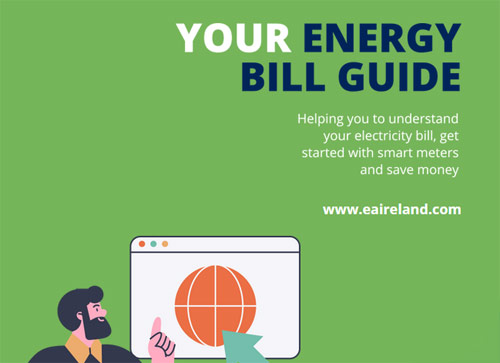
Understanding what you’re actually paying for.
One of the biggest challenges for consumers is simply decoding their electricity bill. The guide explains key components such as:
- Unit rates (cost per kilowatt-hour).
- Standing charges (daily service cost).
- Levies and taxes like VAT.
- Overall consumption measured in kWh.
It also highlights that factors like home insulation, appliance efficiency, and household size all influence energy usage.
In short: the bill isn’t just about how much electricity you use, it’s also about when and how you use it.
Smarter usage equals lower costs.
A major focus of the guide is helping households shift their habits. One simple but effective tip is to avoid peak hours.
Electricity is typically most expensive between 5:00pm and 7:00pm, when demand is highest. Running high-energy appliances, like showers, ovens, or tumble dryers, outside these times can make a noticeable difference over time. Instead, households are encouraged to move usage to off-peak periods, such as late evening or overnight.
The role of Smart Meters.
Smart meters are central to this shift. Already installed in more than two million Irish homes, they provide real-time data on energy use and open the door to new pricing options.
With a smart meter, households can access time-of-use tariffs, where electricity is cheaper during off-peak hours. This means you can actively choose when to use energy, and save money by doing so.
However, the guide also makes it clear: savings depend on behaviour. If most of your energy use still happens during peak hours, costs could remain high.
New ways to save (and even earn).
Beyond smart meters, the guide points to emerging options for households:
- Smart tariffs tailored to usage patterns.
- Electric vehicle plans with cheaper overnight charging.
- Microgeneration schemes, where solar panel users can sell excess electricity back to the grid.
These options reflect a broader shift toward more flexible, consumer-driven energy systems.
The bigger picture.
While short-term savings matter, the guide also looks at long-term solutions. Reducing Ireland’s reliance on imported fossil fuels, through electrification and renewable energy. Same is seen as key to stabilising costs in the future. For households, that means small changes today, like better insulation or smarter energy use, which can contribute to both lower bills and a more sustainable energy system.
Final thought.
Energy bills don’t have to feel like a mystery. With clearer information and smarter tools, households now have more power than ever to control their costs. And in a world of fluctuating energy prices, that control could make all the difference.





Leave a Reply