After months of grey afternoons, persistent drizzle and that familiar winter feeling of the day ending far too soon, Ireland is finally approaching one of the most welcome turning points of the year; the return of brighter evenings.
For many, the true sign of spring is not a date on the calendar or even a rise in temperature, but that subtle, heartening moment when daylight begins to linger. In 2026, the spring equinox falls on Friday, March 20th, marking the official start of astronomical spring and bringing with it the sense that the darker half of the year is, at last, beginning to loosen its grip.
Of course, spring in Ireland rarely arrives in one dramatic flourish. There may still be cold mornings, sudden showers and more than a few overcast skies ahead. But even so, the shift is unmistakable. The days stretch a little further. The light softens and the prospect of leaving work or finishing dinner before sunset begins to feel real again.
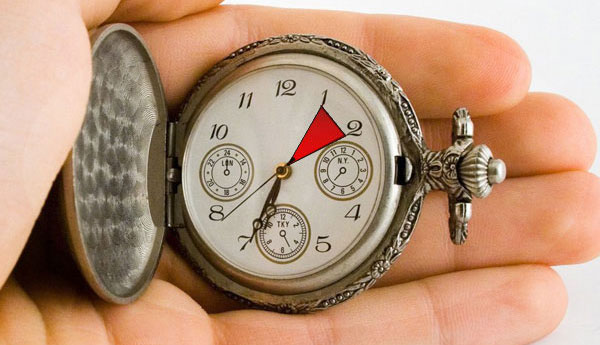
A major part of that seasonal change comes at the end of March, when the clocks move forward for daylight saving time. On Sunday, March 29th, clocks in Ireland will jump ahead by one hour at 1:00am, moving straight to 2:00am. While the change is unlikely to be greeted warmly in the moment. particularly by anyone reluctant to lose an hour of sleep, it delivers an instant reward in the form of longer evenings and more usable daylight at the end of the day.
That is the trade-off many people are more than willing to accept. After all, brighter evenings have a way of transforming everyday life. Suddenly there is time again for an evening walk along that seafront, a run in the park, a coffee outdoors, or simply a chance to enjoy a little fresh air before night falls. What feels impossible in January becomes effortless by late April.
And the improvement happens quickly. By April 18th, sunset in Thurles is expected to fall at around 8:30pm, while by the end of the month it will be approaching 9:00pm. That extra daylight brings with it not just practical benefits, but a noticeable lift in mood. Even the most ordinary routines can feel lighter when they unfold under a brighter evening sky.
This year’s clock change also arrives slightly earlier than it did in 2025, when the switch took place on March 30th. It may only be a matter of a single day, but after a long Irish winter, even that feels worth noting.
There has, of course, been ongoing debate across Europe about whether the twice-yearly clock change should be abolished altogether. While proposals have been discussed at EU level, no final change has been introduced, meaning Ireland will continue to move between winter and summer time for now.
Later in the year, the clocks will go back again in October. But that is a thought for another season. For now, the important thing is this; the brighter evenings are nearly here, and after months of winter gloom, they could hardly come soon enough.





Leave a Reply