Electricity arrears rise to nearly 320,000 households as energy credits end and costs remain elevated.
New figures published by the Commission for Regulation of Utilities (CRU) show 319,459 domestic electricity customers were in arrears in December 2025; around 14% (approximately one in seven households), representing a 19% year-on-year increase from December 2024.
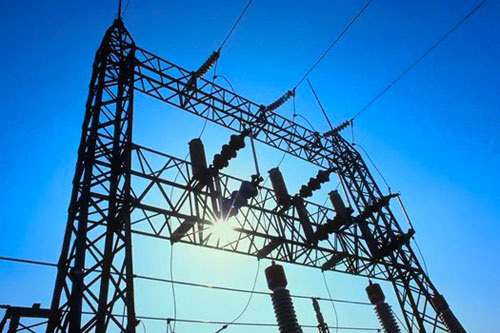
The CRU data indicates the average electricity arrears balance was €466 in December last.
Arrears pressures are also evident in the gas market, with reports this week noting domestic gas arrears rose year-on-year.
The latest arrears rise follows the Government’s decision to end universal electricity credits (previously €250 per household) in the most recent budget.
Why are electricity prices so high in Ireland?
Ireland’s electricity bills are driven by a mix of wholesale energy costs, network costs, and policy/levy components:
Strong exposure to gas-priced power.
Ireland’s power system has historically relied heavily on gas-fired generation, and in many hours the marginal unit setting the market price is gas, so gas price volatility feeds through into electricity costs. (This exposure was widely felt during the 2021–2023 energy crisis and remains a key structural factor.)
High network costs per customer.
Ireland has a dispersed population and extensive rural networks, which increases the cost per customer of maintaining and upgrading the grid.
The cost of upgrading the grid to meet rising demand and decarbonisation.
The CRU has approved a major investment programme for EirGrid and ESB Networks of up to €18.9bn over five years. The regulator has said this could add about €1/month (baseline) to network tariffs, rising to about €1.75/month under the higher investment allowance.
Taxes, levies, and the changing mix of supports.
Across the EU, Eurostat notes that tax/levy shares and the withdrawal of consumer relief measures can blunt the impact of falling pre-tax costs on final bills.
Where does Ireland rank on electricity prices in Europe?
This depends whether you mean households or business (non-household):
Households: In the first half of 2025, Eurostat reported the highest household electricity prices in Germany, Belgium, Denmark, and Italy (Ireland was not the highest by € per kWh).
However, Ireland recorded one of the largest year-on-year household price increases in that period: +25.9% (second only to Luxembourg at +31.3% in Eurostat’s summary).
Non-household (business): Eurostat reported Ireland had the highest non-household electricity prices in the EU in the first half of 2025 at €0.2726/kWh.
(Note: rankings can shift by half-year depending on wholesale markets, hedging, taxes/reliefs, and network charges.)
Are electricity suppliers upping prices to fund further development?
In general:
Grid “development” (wires infrastructure) is primarily funded through regulated network charges (set/approved by the CRU), not by suppliers deciding to increase margins. The CRU has explicitly linked recent network charge increases to the need to invest in a more resilient and cleaner grid.
Retail suppliers set tariffs mainly based on wholesale energy costs (often hedged in advance), operating costs, customer service, and bad-debt risk. They don’t directly “raise prices to build the grid” in the way a network operator does, network tariffs are a pass-through item on bills that reflects regulated investment allowances.
Households struggling with bills should contact their supplier early to discuss payment plans and supports, and check eligibility for targeted state supports.





Leave a Reply