Norovirus cases jump by more than 50% in a week as HSE urges public to follow hygiene advice.
The HSE has urged people to be alert to the signs and symptoms of norovirus after new figures showed a sharp weekly increase in reported cases.
The latest data shows 86 cases in the week ending February 7th, up from 56 cases the previous week, a rise of 54%.
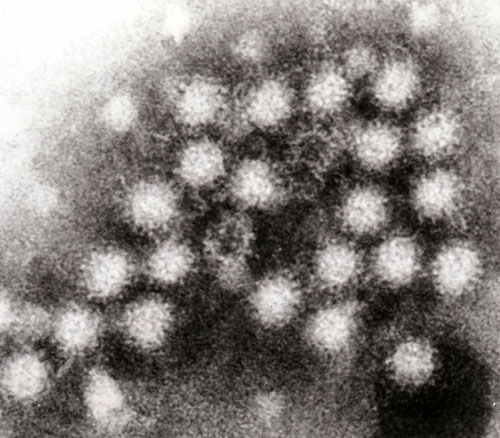
Norovirus, often called the “winter vomiting bug”, is one of the most common stomach bugs in Ireland and can spread quickly in settings such as hospitals, nursing homes and schools.
The HSE said it has been notified of 676 cases so far this winter season, which began at the end of September, with 59% of cases reported this week occurring in people aged 65 and older.
In a statement, the health service said that while norovirus is unpleasant but mild for many people, it can be very serious for older adults, young children and those with underlying health conditions, adding that seasonal winter viruses continue to place extra pressure on health and care services.
Symptoms.
Norovirus typically causes sudden vomiting and diarrhoea, and may also be accompanied by stomach cramps, nausea and a general feeling of being unwell.
Public health advice to help stop the spread.
The HSE is reminding the public to take the following steps:
- Stay at home and do not return to work, school or social activities until 48 hours after symptoms have stopped.
- Avoid visiting hospitals and care homes while unwell and for 48 hours after recovery.
- Wash hands frequently and thoroughly with soap and water (especially after using the toilet and before preparing food).
- Clean contaminated surfaces and objects using bleach-based household cleaners, following label instructions.
- Avoid preparing food for others while sick, and take extra care with food hygiene, including avoiding raw, unwashed produce.
Comment:
Dr Paul McKeown, Consultant in Public Health Medicine, said norovirus has been at high levels in recent weeks and that outbreaks in hospitals have increased, adding that while it is not always possible to avoid infection, people can help prevent further spread by following the guidance.
Further information:
Up-to-date public advice is available from the HPSC HERE.





Leave a Reply