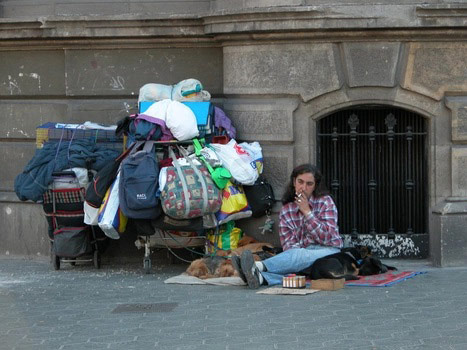
Ireland’s homelessness crisis has reached another devastating milestone, with 18,065 people recorded in State-funded emergency accommodation in September 2026. That is 180 more people than in August and the first time the national figure has exceeded 18,000.
Behind that headline are 12,168 adults and 5,897 children, living without the security of a permanent home. The children were among 2,821 families in emergency accommodation. Compared with August, the number of children increased by 67. These figures were published on 13th November after a delay linked to industrial action.
And what does this mean for County Tipperary?
The latest reliably verified county figure available is from August 2026, when 115 adults were in emergency accommodation across Tipperary, up from 112 in July. South East Simon Community reports that this was approximately 42% higher than a year earlier. A verified Tipperary-specific figure for September was not available in the sources checked, so August must not be presented as September’s total.
Tipperary is not immune to the national housing emergency. People facing unaffordable rents, insecure tenancies or sudden changes in family circumstances can find themselves with nowhere suitable to live. And emergency accommodation, although essential in a crisis, cannot replace a secure and lasting home.
There is a local development worth watching. Plans announced in March for a staffed homeless accommodation centre in Tipperary Town envisaged space for nine to eleven people, with an opening targeted for early 2027. That would offer support, but it would not remove the wider need for permanent housing.
We now urgently need stronger homelessness prevention, faster delivery of social and affordable homes, and meaningful support for families and individuals before they lose their accommodation. We also need regular, transparent county-level figures so communities can understand the scale of the problem.
As winter approaches, these statistics should prompt more than expressions of concern. Every number represents a person, a family, or a child whose life has been disrupted. Above all, long-term solutions must restore dignity, stability and hope to people.
Mr Alan Kelly, Mr Michael Lowry and Mr Ryan O’Meara please note – homelessness must never become accepted as normal, in Tipperary or anywhere else in Ireland.





Leave a Reply