Going Electric Should Not Cost More Than Diesel!
Ireland is encouraging motorists to switch to electric vehicles, but the rising cost of public charging is now threatening one of the biggest reasons for making that switch; saving money. A press report published on November 4th 2026 highlights a serious concern. Charging an electric vehicle at some public charging stations can now cost MORE per kilometre than driving a petrol or diesel car. And this is not just a problem with expensive motorway rapid chargers.
Both SLOW public charging and FAST public charging are becoming increasingly expensive.
The Latest Confirmed Esb Charging Prices
Following the latest ESB price increases on November 2nd 2026:
Slow / Standard Public Charging (Ac) – Pay-as-you-go: 70 cent per kWh. Contactless payment: 72 cent per kWh. Generally used for kerbside, town and neighbourhood charging.
Fast / Rapid Public Charging (Dc) – Pay-as-you-go: 83 cent per kWh. Contactless payment: 85 cent per kWh. Typically used at motorway service stations and rapid charging hubs.
Home Charging – Can cost as little as 12 cent per kWh on certain discounted night-time tariffs.
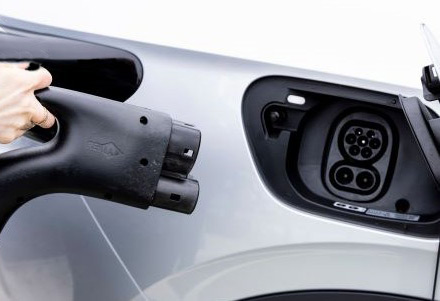
Think about that for a moment.
A motorist using an ESB rapid public charger and paying by contactless card can now pay more than SEVEN TIMES the electricity rate available to someone charging at home for 12 cent per kWh. Even using a slower public charger at 70 cent per kWh costs nearly SIX TIMES that cheap home rate.
How Does This Compare With Diesel?
Electric family car using expensive public rapid charging – Almost €70 for approximately 450 km of winter driving.
Family diesel car – Approximately €110 for around 950 km.
That works out at: Electric vehicle: €15.56 per 100 km. Diesel vehicle: €11.58 per 100 km.
In this particular comparison, the electric vehicle costs approximately 34% MORE per kilometre than your diesel car.
These are illustrative vehicle and charging costs, not a claim that every electric car is more expensive than every diesel car.
The Real Problem Is Fairness
People with private driveways and access to cheaper home electricity can still make substantial savings by driving electric vehicles.
But what about motorists living in: Apartments? Terraced houses without driveways? Homes without private parking? Areas where home charging simply isn’t possible?
These motorists may have little choice but to depend on public charging. They are effectively being charged substantially more simply because they cannot install a charger at home. And even when they choose slower public charging instead of rapid charging, the price can still be many times higher than charging at home.
More Chargers Alone Will Not Solve This Problem.
The Government has announced its National EV Charging Infrastructure Strategy 2026–2028. More charging infrastructure is certainly needed. But what is the point of installing thousands of additional chargers if ordinary motorists cannot afford to use them?
According to press reports, the Department of Transport currently has no plans to regulate public EV charging prices.
The latter raises an important question; who is protecting motorists from excessive public charging costs?
Ireland needs:
- Affordable public charging, both slow and rapid.
- Clear and transparent prices across all charging networks.
- Fair charging options for apartment residents and households without driveways.
- Greater competition and scrutiny of public charging tariffs.
- A Government strategy that addresses the cost of charging, not simply the number of chargers installed.
The Bottom Line
Electric vehicles are supposed to offer motorists a cleaner and more economical alternative to petrol and diesel. For people who can charge at home cheaply, that financial advantage often remains.
But for motorists who depend entirely on public charging, the situation is becoming very different.
Ireland cannot expect motorists to make the transition to electric vehicles, while allowing public charging to become more expensive than the petrol and diesel alternatives it is supposed to replace.
A fair transition must work for everyone, not just homeowners with private driveways.
Ireland Doesn’t Just Need More Ev Chargers. It Needs Public Charging That Ordinary Motorists Can Afford.
Do you think the Government should regulate public EV charging prices to protect motorists?





Leave a Reply