Livestock farmers across Tipperary are being advised to watch their cattle and sheep closely, following confirmation of a new bluetongue virus serotype 3 (BTV-3) infection in County Wexford.
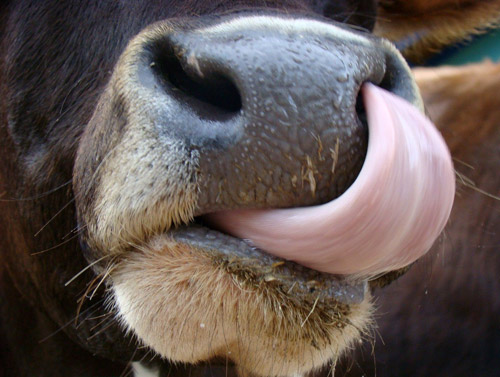
The Department of Agriculture has confirmed that an unvaccinated 16-month-old heifer tested positive during a postmortem examination. The animal had shown no obvious clinical signs before its death. This is the first Irish case identified as an infection acquired during 2026. It does not mean that a case has been detected in Tipperary.
Bluetongue is transmitted mainly by biting midges and is not normally spread through direct contact between animals. It affects ruminants, including cattle, sheep, goats and deer. Sheep can be particularly severely affected, although illness and deaths can also occur in cattle.
Tipperary farmers should watch for:
- Fever, lethargy or loss of appetite
- Sudden fall in milk production
- Lameness
- Swelling around the face, mouth or tongue
- Drooling or discharge from the eyes or nose
- Sores around the nose and mouth
- Abortions, stillbirths or deformed newborns
- Any sudden or unexplained death
The virus poses no risk to human health or food safety. Vaccination is regarded as the most effective protection, but it must target the relevant virus strain. Farmers with unvaccinated livestock should contact their veterinary practitioner promptly to discuss BTV-3 vaccination.
Any suspicious illness or unexplained mortality should also be reported without delay.





Leave a Reply