Carbon Dioxide: What It Is and How We Can Reduce It.
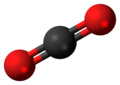
Firstly, Carbon dioxide, known as CO₂, is a colourless and odourless gas. It consists of one carbon atom and two oxygen atoms.
CO₂ occurs naturally. People and animals breathe it out, plants use it to grow, and decaying vegetation also releases it. At normal outdoor levels, it is not poisonous.
CO₂ also helps keep Earth warm by trapping some heat in the atmosphere. The problem is that human activity is now releasing far more CO₂ than nature can absorb. This strengthens the greenhouse effect and causes global warming.
Most additional CO₂ comes from burning coal, oil and natural gas for electricity, heating, transport and industry. Cement production and cutting down forests are also major sources.
We cannot, and do not need to stop producing all CO₂. Natural emissions are part of life. Instead, we must reduce the extra CO₂ created by human activity.
We can do this by:
- replacing fossil fuels with wind, solar, nuclear and other low-carbon energy;
- using electric vehicles and public transport;
- insulating buildings and using heat pumps;
- making factories and machinery more efficient;
- protecting and restoring forests, peatlands and wetlands;
- repairing, reusing and recycling more materials;
- reducing unnecessary energy and material consumption.
Some industries, including cement and chemicals, are difficult to make completely carbon-free. Projects such as Greensand may capture their remaining CO₂ and store it underground.
Carbon storage can help, but it should support, not replace cleaner energy and direct emission reductions. The main goal is to reduce human-made emissions as close to zero as possible and safely store only those that cannot yet be avoided.
Burying Carbon Beneath the North Sea.
To this end, a specially built ship called Carbon Destroyer 1 is preparing to carry liquefied carbon dioxide from the Danish port of Esbjerg to the Nini West oil field in the North Sea. There, the CO₂ will be pumped into porous rock about 1,800 metres beneath the seabed.
This operation is part of Project Greensand, led by INEOS Energy with Harbour Energy and the Danish state company Nordsøfonden. Commercial storage is expected to begin around mid-2026.
The idea appears simple:– Instead of allowing carbon dioxide from biogas plants and other industries to enter the atmosphere, it is captured, purified and cooled until it becomes liquid. It is then transported to Esbjerg, a city in Denmark and stored temporarily in tanks and loaded onto Carbon Destroyer 1.
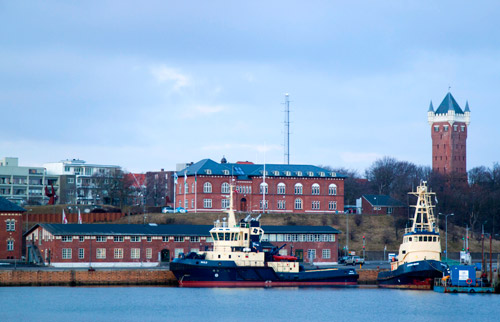
The ship can carry approximately 5,000 tonnes of liquid CO₂ on each voyage, although some reports describe a full load of about 5,300 tonnes. It will sail to the offshore platform, connect to the injection system and pump the CO₂ through a well into the depleted oil reservoir.
The carbon dioxide is not stored in a large underground cave. It spreads through tiny spaces inside porous sandstone. A layer of solid, impermeable rock above the reservoir is intended to prevent it from escaping.
Project Greensand completed a smaller trial in 2023. Its first commercial phase aims to store about 400,000 tonnes of CO₂ each year. Eventually, the operators hope to expand capacity to between four million and eight million tonnes annually. Achieving that target would require more ships, wells and capture facilities.
Supporters describe ships such as Carbon Destroyer 1 as “virtual pipelines.” They could collect carbon dioxide from industries in different countries and take it to suitable offshore storage sites without constructing pipelines across the whole of Europe.
However, the operation is not free from danger.
Carbon dioxide does not burn, but a large leak can push oxygen out of the surrounding air. Because CO₂ is colourless, odourless and heavier than air, it can collect in low or enclosed spaces. A serious release at a port, aboard a ship or on an offshore platform could cause suffocation. Gas detectors, ventilation, emergency shutdown systems and restricted safety areas are therefore essential.
There is also a risk of a pipe or transfer hose breaking while the ship is connected to the platform. Rough seas, equipment failure or loss of the ship’s position could increase this danger. Carbon Destroyer 1 has a redundant dynamic-positioning system to hold it in place, while emergency valves and breakaway connections are intended to stop the flow if something goes wrong.
Underground storage creates longer-term questions.
CO₂ might escape through a damaged injection well, an old oil well, a fault or a weakness in the sealing rock. Excessive injection pressure could also damage the reservoir. Operators must therefore inspect old wells, limit pressure and monitor the movement of the stored CO₂ for many years.
Project Greensand is subject to Danish and European licensing, environmental assessment and monitoring requirements. The Danish Energy Agency says geological storage must be shown to be safe and environmentally suitable.
Finally, carbon storage should not be treated as permission to continue all existing emissions. Capturing, cooling, transporting and injecting CO₂ uses energy and produces some emissions of its own. The technology is likely to be most valuable for industries such as cement and chemicals, where emissions are especially difficult to remove.
Project Greensand could become an important new way of dealing with industrial carbon emissions. But its success must be judged by transparent monitoring, verified permanent storage, honest reporting of accidents and leakage, and the amount of carbon it prevents from reaching the atmosphere; not simply by how many shiploads disappear beneath the North Sea.





Leave a Reply