A very powerful El Niño is developing in the Pacific Ocean. Experts believe it could be one of the strongest recorded in modern times.
But what exactly does that mean for Ireland?
El Niño happens when part of the Pacific Ocean becomes much warmer than usual. This extra heat can change winds, rainfall and weather patterns around the world. The present event is expected to strengthen later in 2026 and could continue into early 2027.
For Ireland, it may increase the chance of a mild, wet and stormy autumn or early winter. However, this is not guaranteed.
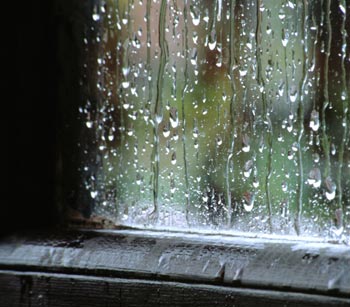
Met Éireann says El Niño’s effect on Ireland is weaker and less predictable than in many other parts of the world. Our weather is mainly controlled by the Atlantic Ocean, the jet stream and nearby areas of high and low pressure. These can change quickly and may either strengthen or cancel out El Niño’s influence.
In simple terms:
Temperatures may be milder than normal.
We could have more periods of heavy or persistent rain.
There may be a greater chance of unsettled or stormy weather.
Cold snaps and frost can still happen.
Some other countries face a much clearer risk of drought, flooding or extreme heat.
El Niño will also add a temporary burst of natural warmth to the long-term warming caused by climate change. Because of this combination, experts believe 2027 could become the world’s hottest year on record.
The important word is “chance.” A seasonal outlook tells us what type of weather has become more likely, it cannot tell us exactly when storms will arrive or how much rain every part of Ireland will receive.
So, there is no need to panic. People should simply keep an eye on Met Éireann’s regular forecasts and weather warnings, particularly those living in places that are vulnerable to flooding.
The bottom line:
A major El Niño is happening, and Ireland may experience a milder, wetter and stormier season.
However, press headlines claiming that this weather is certain are going just a bit too far, but time will tell.





Leave a Reply