More than 600 patients were being treated without a regular hospital bed today Tuesday, according to the Irish Nurses and Midwives Organisation, as the union warned of a “summer trolley crisis”.
The INMO recorded 617 admitted patients on trolleys, chairs or in other inappropriate bed spaces across the country. As usual University Hospital Limerick (UHL) serving North Tipperary, has the highest total, at 130.
This national figure was 189 higher than the 428 patients recorded by the union on August 5th last year 2025; an increase of approximately 44%.
INMO general secretary, Ms Phil Ní Sheaghdha, described this situation as “outrageous”, saying patients and staff were bearing the consequences of an avoidable crisis, during one of the hottest summers on record.
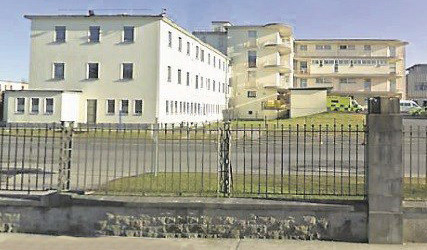
At UHL, INMO assistant director Ms Mary Fogarty described the persistent overcrowding as “like Groundhog Day”. She said the hospital’s recently added 96-bed unit had not produced a meaningful improvement and called for an independent examination of unusually high attendances and admission decisions.
HSE Mid West has rejected the suggestion that operational performance was the principal problem. It said analysis by HIQA and the ESRI had identified a long-standing mismatch between demand and acute-bed capacity in the region. RTÉ’s report carries the statements from both sides.
Why the HSE recorded only 408 patients
The HSE’s official 8:00am report recorded 408 patients on trolleys: 272 in emergency departments and 136 on wards. It separately reported 551 surge-capacity beds in use at 2:00pm. These figures are confirmed in the HSE’s daily urgent and emergency-care report.
The 209-patient difference between the INMO and HSE trolley totals is mainly a question of classification and collection, not evidence that one side made a simple arithmetic error.
Explanation:
► The INMO count is compiled from reports by nurses in participating hospitals. It covers admitted patients who have no ordinary inpatient bed and are being treated on trolleys, chairs, extra beds or in other spaces the union considers inappropriate.
The HSE uses hospitals’ administrative reporting under defined TrolleyGAR categories. It now includes qualifying patients in both emergency departments and wards.
Crucially, the HSE excludes patients placed in designated surge-capacity beds from its headline trolley total and reports that capacity separately. An official parliamentary answer describing the methodology explicitly states that designated surge beds are not included in TrolleyGAR.
The two systems can also classify particular spaces differently. A temporary bed in a day ward or assessment unit may be treated as operational surge capacity by the HSE, but still regarded by the INMO as an inappropriate or inadequately staffed bed setting.
Differences in reporting processes, participating locations and validation can create further hospital-level discrepancies.
The HSE’s 551 surge figure should not simply be added to its trolley total or subtracted from the INMO figure. It was recorded at a different time, covers all occupied surge beds and is a separate measure of temporary capacity rather than a reconciliation table.
The safest presentation is therefore: the INMO counted 617 admitted patients without a regular bed, while the HSE classified 408 as trolley patients and separately reported 551 surge beds in use.
Both datasets indicate severe pressure, but they measure that pressure using different boundaries.





Leave a Reply