Dublin-born scientist Sir Adrian Hill (KBE) has been honoured with the European Inventor Award 2026 in the Research category for his role in developing R21/Matrix-M, a malaria vaccine now offering new hope in the fight against one of the world’s deadliest infectious diseases.
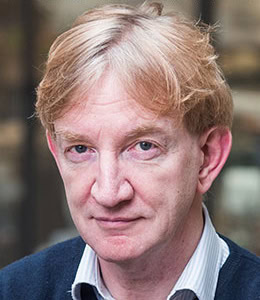
Sir Adrian educated at Trinity College, Dublin, and director of Oxford University’s Jenner Institute, received the award from the European Patent Office in Berlin for work that has helped overcome a challenge scientists had pursued for more than a century. More than 150 malaria vaccine candidates entered human trials before recent breakthroughs finally succeeded. Hill’s team redesigned the vaccine to present key malaria-specific protein regions more effectively to the immune system, while removing elements that could weaken the response.
Clinical trials showed around 75–80 per cent protection, exceeding the World Health Organisation’s target for malaria vaccines. The vaccine can also be produced at large scale, costs less than €3 per dose, and remains stable for up to two years under standard refrigeration, making it especially valuable for countries where malaria remains endemic.
According to WHO, there were an estimated 282 million malaria cases and 610,000 deaths worldwide in 2024, with children under five accounting for about three-quarters of malaria deaths in the WHO African Region. R21/Matrix-M is now being integrated into routine immunisation programmes in more than 20 African countries.
As stated above, Hill studied medicine at Trinity College, Dublin, before completing a DPhil in human genetics at Oxford. He also contributed to the Oxford-AstraZeneca Covid-19 vaccine, adding to a career focused on vaccines with global impact.
His achievement follows a long line of Irish men who have helped shape medicine. Donegal-born William C. Campbell shared the 2015 Nobel Prize in Physiology or Medicine for work linked to avermectin, a discovery that transformed treatment for parasitic diseases such as river blindness and lymphatic filariasis. Dublin physicians William Stokes and Robert James Graves helped build the reputation of the Dublin School of Medicine, with their names still associated with major clinical conditions. Francis Rynd, a Dublin surgeon, was a pioneer of the hypodermic needle and injection.
Hill’s award therefore recognises not only one scientist’s breakthrough, but Ireland’s continuing contribution to medicine and global health.





Leave a Reply