Online shoppers in Ireland who regularly buy low-cost items from websites outside the European Union may soon face extra costs at delivery or checkout.
From 1st July 2026, a new €3 Customs Duty charge per item will apply to many e-commerce parcels valued at €150 or less coming into Ireland from outside the EU. This includes goods bought from websites based in Britain, Asia, the United States and other non-EU countries.
This change is part of the EU’s wider Customs Reform and is designed to make online imports fairer, safer and easier to monitor.
What Is Changing?
At present, there is no Customs Duty on e-commerce goods entering the EU, where the value of the goods is €150 or less, although VAT and delivery-related charges may still apply.
From 1st July 2026, that duty-free rule will change. A flat €3 Customs Duty will apply to each distinct item in a qualifying parcel sent directly to consumers from outside the EU.
This means the charge is not simply applied once per package. It depends on what is inside the package.
For example, if a parcel contains one notepad, one pen and one keyring, these are three different items. Each item would attract a €3 charge, bringing the Customs Duty to €9, plus VAT where applicable.
However, if a parcel contains two identical cotton t-shirts, they are treated as one distinct item type. In that case, the Customs Duty would be €3, plus VAT where applicable.
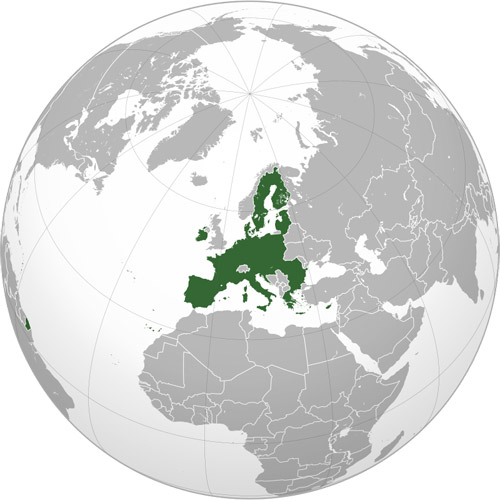
Why Is The EU Introducing The Charge?
The EU says the current system no longer reflects the scale of modern online shopping.
The existing duty-free rule for low-value imports was originally introduced to reduce administrative pressure on businesses and customs authorities. However, customs systems are now far more digital, meaning electronic data is available for imported goods.
The European Commission has also highlighted the huge growth in low-value imports into the EU. In 2025, almost 5.9 billion low-value items were shipped directly from non-EU countries to consumers in the EU without customs duties being paid.
EU authorities say this has created unfair competition for European and Irish retailers, who must comply with EU tax, safety, labour and environmental standards.
The reform is also aimed at improving consumer protection by helping customs authorities identify unsafe or non-compliant goods before they reach shoppers.
How Shoppers Will Pay.
In many cases, the €3 charge may be collected at the online checkout. Larger platforms and retailers may include the duty in the final price before the customer pays.
However, not every website will be ready or able to collect the charge upfront.
Where the duty is not paid at checkout, the delivery company may collect the charge before the parcel is delivered. This could mean shoppers have to pay the Customs Duty, VAT and any relevant administration fee before receiving their order.
Therefore consumers are being advised to check the website’s terms and conditions before buying, especially when ordering from smaller non-EU retailers.
Extra Delivery Admin Fees May Apply.
Where customs charges are not paid at checkout, the delivery company may apply its own administration fee for processing the payment and holding the parcel until charges are paid.
An Post already applies an administration fee in certain customs cases. This is separate from the new EU Customs Duty and applies to the parcel rather than to every individual item inside it.
This means shoppers could face more than one extra cost if charges are not collected at checkout; the new €3 Customs Duty per distinct item, VAT where applicable, and a delivery company administration fee.
NOTE: A “.ie” Website Does Not Always Mean EU Shipping.
Irish shoppers are also being urged to check where goods are actually shipped from. A website may use a “.ie” domain, show prices in euro or appear to be aimed at Irish customers, but the goods may still be shipped from outside the EU.
If the goods are located in Ireland or another EU country at the time of purchase, the new Customs Duty will not apply. But if the goods are shipped from outside the EU, the charge may apply even if the website looks local.
Before buying, shoppers should check the retailer’s “About Us”, delivery information and terms and condition pages to confirm where the goods are dispatched from.
Returns Could Also Cost More
These new rules may also affect returns.
Revenue has warned that the €3 Customs Duty will generally not be refunded if a customer returns an item, unless the goods are faulty. VAT refunds may also vary depending on the retailer and how that business handles VAT.
This means returning cheap items bought from outside the EU could become less attractive, especially where the original purchase involved multiple low-cost products.
Beware Of Scam Texts And Fake Payment Links.
With the new customs rules coming into effect, shoppers should also be alert to scam messages.
An Post has warned that it will never ask customers to pay Irish customs charges through a link in an SMS or email. If a message asks you to click a link to pay customs charges on an item coming into Ireland, it should be treated as suspicious.
Customers who need to pay a genuine customs charge should do so through the official An Post website, the An Post app or at a post office.
What Shoppers Should Do Before Buying.
Before placing an order from a non-EU website, shoppers should check:
- where the goods are being shipped from;
- whether customs duty is included at checkout;
- whether VAT is included;
- whether the delivery company may charge an administration fee;
- what the retailer’s returns policy says about VAT and customs refunds;
- whether the final price still represents good value.
The change will not stop people buying from non-EU websites, but it may make very cheap online orders less appealing, particularly when several different low-cost items are included in the same parcel.
For Irish consumers, the message is clear: from July 1st 2026, the price shown beside a cheap online item may not be the final cost of getting it delivered.





Leave a Reply