For decades, cancer was considered primarily a disease associated with aging. But that assumption is rapidly changing. Across the globe, doctors are seeing a growing number of cancer diagnoses in adults under 50, a phenomenon now referred to as early-onset cancer. Research shows that rates of several cancers, especially colorectal, breast, kidney, and uterine cancers, have steadily increased among younger adults since the 1990s.
A major 2025 study from researchers at the U.S. National Institutes of Health found that 14 different cancer types increased among people under 50 between 2010 and 2019. The largest rises were seen in breast, colorectal, kidney, and uterine cancers.
Scientists still do not have one definitive explanation, but many researchers believe the increase is likely linked to a combination of lifestyle, environmental, and biological changes.
Diet, Obesity, and Modern Lifestyles
One of the strongest suspected contributors is the global rise in obesity and unhealthy dietary habits. Diets high in ultra-processed foods, refined sugars, and processed meats may increase inflammation in the body and disrupt hormones and gut bacteria, all of which can contribute to cancer development.
Health experts also point to increasingly sedentary lifestyles. Less physical activity combined with long-term weight gain may significantly raise the risk of cancers such as colorectal, breast, and uterine cancer.
The World Health Organization reports that obesity rates worldwide have more than doubled since 1990, especially among younger generations. Researchers believe this trend may be closely connected to the rise in early-onset cancers.
Are Microplastics and Environmental Chemicals Part of the Problem?
Another growing area of concern involves environmental exposure, especially microplastics and industrial chemicals.
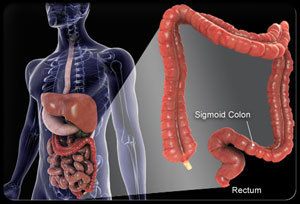
Microplastics are now found in food, drinking water, air, and even human tissues. Early studies suggest these particles may contribute to inflammation, cellular damage, and DNA mutations, all of which are linked to cancer development. Researchers are especially studying possible connections between microplastics and colorectal cancer.
Scientists are also investigating the potential role of:- “Forever chemicals” (PFAS); Air pollution; Gut microbiome disruption; Chronic stress; Sleep disruption and Environmental toxins.
However, experts caution that evidence connecting many of these factors directly to cancer is still developing.
Better Screening May Also Explain Some Increase.
Not all of the rise necessarily means more cancers are developing. In some cases, cancers are simply being detected earlier and more often due to improved screening technologies and increased awareness.
Organizations have lowered recommended screening ages for certain cancers:
Colorectal cancer screening now commonly begins at age 45 instead of 50, while breast cancer screening often begins at age 40 instead of 50.
Improved imaging and earlier testing may partially explain why diagnoses among younger adults appear to be increasing.
The Good News: Survival Rates Are Improving.
Despite rising diagnosis rates, overall cancer death rates have declined for many cancer types because treatments and early detection have improved significantly.
Still, some cancers diagnosed in younger adults can behave more aggressively. Early-onset colorectal and breast cancers, for example, are often discovered at more advanced stages because symptoms are unexpected in younger people.
Researchers emphasize that awareness is critical. Persistent symptoms such as unexplained weight loss, rectal bleeding, unusual fatigue, changes in bowel habits, or abnormal lumps should never be ignored simply because someone is young.
What Researchers Know So Far.
Scientists agree on several important points:
- Early-onset cancer rates are genuinely rising for multiple cancer types.
- Obesity, diet, and lifestyle changes are likely major contributors.
- Environmental exposures may also play a role.
- Genetics alone cannot explain the sharp increase.
- Earlier screening and improved detection account for part; but likely not all of the trend.





Leave a Reply