Uisce Éireann is to submit a Strategic Infrastructure Development planning application, alongside a Compulsory Purchase Order (CPO) application, to An Coimisiún Pleanála for the Water Supply Project Eastern and Midlands Region, described as the largest-ever water project in Irish history.
What does the project propose?
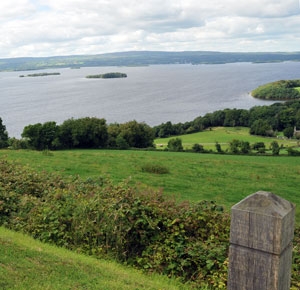
Uisce Éireann plans to abstract water from Parteen Basin (Lower River Shannon), treat it near Birdhill, Co Tipperary, and pipe treated water about 170km through counties Tipperary, Offaly and Kildare to a new termination reservoir at Peamount, Co Dublin, connecting into the Greater Dublin Area network.
How much water would be taken?
Uisce Éireann says the scheme would abstract a maximum of 2% of the average/long-term average flow at Parteen Basin.
Why is it being pursued?
Uisce Éireann says the Eastern & Midlands region is over-reliant on a single source (the River Liffey system) and that population/economic growth and climate pressures will increase demand; it says a new source is needed for resilience.
What is the cost and timeline?
Subject to planning, Uisce Éireann proposes construction starting in 2028, completing within five years, with an estimated budget of €4.58bn–€5.96bn and more than 1,000 direct jobs at peak construction.
How many landowners are affected?
Reporting on the scheme states the underground pipeline would cross lands belonging to about 500 owners.
What are objectors saying?
1) Environmental impact on the Shannon / Natura 2000 protections.
A key objection is potential ecological impact on the Shannon system. Parteen Basin is within the Lower River Shannon SAC (site code 002165), and critics argue abstraction/infrastructure must be proven not to adversely affect protected habitats/species.
2) “Fix the leaks first”.
Opponents argue Dublin’s deficit should be tackled primarily through leakage reduction and network upgrades. Uisce Éireann’s own figures state about 37% of treated water is lost through leaks nationally.
(Analysis has cited 37% nationally and 33% in the Greater Dublin Area lost to leaks.)
3) Demand and climate assumptions.
Some stakeholders have challenged the robustness and horizon of demand forecasts,raising issues such as planning beyond 2050, climate impacts and high-demand users (including data centres and large energy users), particularly during drought.
4) Cost escalation and value-for-money.
Objectors highlight the multibillion price tag (often described as “about €6bn”) and warn of further escalation; reporting has referenced a worst-case risk scenario exceeding €10bn in official correspondence.
5) Land access, CPO concerns, disruption and compensation/tax.
Landowner objections include disruption during construction, long-term land constraints, and concerns about compensation treatment (including tax/VAT implications).
What is Uisce Éireann’s response ?
It says the abstraction would be capped at 2% of Parteen Basin flows and that the application includes an EIAR and Natura Impact Statement.
It says leakage reduction is part of the solution, but that a new source is still required for resilience.
It points to landowner liaison and a negotiated voluntary wayleave/land package agreed with farming bodies.
What happens next ?
Uisce Éireann says planning notices run from 12 December 2025 and planning documents will be available from 19 December 2025 once lodged.
The project page states submissions/observations to An Coimisiún Pleanála may be made from January 6th 2026 until February 25th 2026 at 5.30pm.







Leave a Reply