Irish stargazers are being urged to look skyward this week as the Lyrid meteor shower reaches its annual peak, bringing a striking display of shooting stars visible across the country, including Tipperary.
A Rare Celestial Display. The Lyrids are one of the oldest recorded meteor showers, occurring each April as Earth passes through debris left by Comet Thatcher, last seen in 1861. In 2026, the shower is active from mid-April through to April 25–26, with peak activity expected on the night of April 22 into the early hours of April 23.
Under ideal conditions, observers can expect:
Around 10–20 meteors per hour.
Occasional bursts of higher activity.
Bright streaks and occasional “fireballs” lighting up the sky.
Strong Viewing Conditions in Ireland.
This year offers particularly favourable viewing conditions. A crescent moon will set early, leaving darker skies for much of the night, latter ideal for spotting meteors.
The best time to watch is: After midnight through to dawn, when the constellation Lyra rises higher in the eastern sky. No special equipment is needed, just clear skies and patience.
Viewing Potential in Tipperary. Tipperary is well positioned to enjoy this celestial event, particularly in rural areas where light pollution is low.
Key Advantages:
Dark countryside skies improve visibility
Elevated and open landscapes provide wide viewing angles
Distance from major urban lighting enhances contrast
Best Practice for Viewing:
Travel to rural or elevated areas such as hills or open farmland
Avoid towns and artificial lighting
Allow 20–30 minutes for your eyes to adjust to darkness
Lie back or use a reclining chair for a full-sky view
Meteor activity will appear across the sky, not just near Lyra, so a broad, unobstructed view is essential.
What to Expect. While the Lyrids are considered a moderate meteor shower, they are known for fast, bright meteors, occasional dramatic fireballs and short bursts of increased activity. Even outside the peak night, the shower remains active for several days, offering multiple chances to witness the display.
Final Outlook. If skies remain clear, observers across Tipperary should have an excellent opportunity to see more shooting stars than on a typical night. With favourable conditions and minimal moonlight, 2026 could be one of the better years to catch this historic meteor shower, right from your own doorstep.
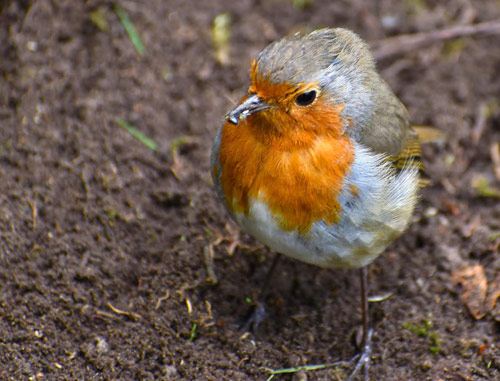
RSPB England Issues New Seasonal Guidance on Garden Bird Feeding to Prevent Disease Spread.
The Royal Society for the Protection of Birds (RSPB) has issued new guidance urging the public to adopt seasonal bird feeding practices to help protect vulnerable garden bird populations from disease. The charity is advising households across England to pause routine bird feeding between May 1st and October 31st, citing increased risks of disease transmission during warmer months, when feeders can become contamination hotspots.
Rising Concern Over Bird Disease. The recommendation follows growing concern over trichomonosis, a parasitic disease that affects birds’ mouths, throats, and digestive systems, often making it difficult for them to eat or breathe. The disease spreads through contaminated food and water sources and has been linked to significant declines in several species. Among the most affected is the greenfinch, whose population has dropped by an estimated two million birds in the UK, placing it on the conservation red list. Long-term monitoring data also shows a steep decline in sightings, with greenfinches falling from one of the most commonly recorded garden birds to much lower rankings in recent years.
Seasonal Feeding Approach Recommended. Under its new campaign “Feed seasonally, feed safely”, the RSPB is encouraging the public to rethink year-round feeding habits. While feeding birds can provide benefits, especially during colder months, the charity warns that concentrated feeding in summer can facilitate the spread of disease. Limited feeding may still be appropriate if done carefully. The RSPB advises offering only small quantities of food, such as mealworms or fat-based products, sufficient for one or two days at most.
Hygiene Measures Essential.
To reduce risks, the RSPB recommends:
Cleaning bird feeders at least once a week.
Regularly changing feeder locations to prevent waste buildup.
Providing fresh tap water daily if offering water.
Cleaning bird baths weekly.
Avoiding flat surface feeders, such as traditional bird tables, where contamination can accumulate more easily
The organisation has already begun phasing out flat feeders from its own product range.
Widespread Public Impact. Bird feeding is a popular activity in England, with millions of households participating regularly and significant annual spending on bird food. The RSPB acknowledges that changing established habits may be challenging but stresses the importance of protecting bird populations. The guidance has been developed in collaboration with scientific partners and is based on an extensive review of available evidence. While some industry groups have raised concerns about the changes, the RSPB maintains that precautionary action is necessary.
Supporting Birds Responsibly. The RSPB emphasises that feeding birds can still play a positive role when done responsibly. However, it warns that continuing current practices without adjustment could contribute to further population declines.
“We cannot continue as usual,” the charity stated, highlighting the need for collective action to safeguard garden birds for the future.
Ireland’s greenhouse gas emissions from power generation and industry down by 5.5 per cent in 2025.
In 2025, greenhouse gas emissions from Irish power generation and industrial companies covered by the EU Emissions Trading System (EU ETS) decreased by 5.5 per cent.
Emissions decreased by 8.9 per cent from the electricity generation sector driven by cessation of coal use at Moneypoint, an increase in renewables and increased importation of electricity.
Manufacturing industry emissions decreased by 2.5 per cent driven by a variety of factors including the use of alternative lower carbon fuels and a decrease in clinker production in the cement sector.
In contrast, greenhouse gas emissions from aviation, reported to Ireland, increased by just under 2 per cent compared to 2024, which reflects continued growth in this sector.
The Environmental Protection Agency (EPA), today released its preliminary analysis of greenhouse gas emissions in 2025 from the EU Emissions Trading System (EU ETS). In 2025, emissions from Irish power generation and industrial companies decreased by 5.5 per cent (over 620,000 tonnes) to 10.67 million tonnes of CO2. This compares with a decrease of approximately 6.9 per cent across Europe, according to data released by the EU Commission.
The decrease in emissions from Ireland’s power generation and industry sectors in 2025 was driven by a combination of factors.
Power generation: The use of coal at ESB Moneypoint ceased in June 2025 which has led to a 49 per cent reduction in emissions from this station. On a national basis, there was a slight increase in renewable electricity (up by 1 per cent as a percentage of demand) and an increase in net imports of electricity from 14 per cent to 17 per cent as a percentage of demand.
Cement industries: There was a 3.6% decrease in greenhouse gas emissions from cement industries due to both a drop in production of cement clinker (a key component of cement) and an increase in alternative fuel use as the demand for less carbon intensive construction products has increased.
Commenting today, Dr Eimear Cotter, EPA Director General, said: “The reduction in emissions from power generation and industrial activities covered by the EU Emissions Trading System (EU ETS) indicates progress in Ireland’s shift toward cleaner energy and more sustainable manufacturing. Since the establishment of EU ETS in 2005, there has been a decrease in emissions of over 52 per cent for the relevant sectors in Ireland which highlights the importance of this policy tool in driving decarbonisation.”
Aviation: Emissions from flights within the European Economic Area reported to Ireland increased by almost 2 per cent compared to 2024, to over 13.4 million tonnes. This is now well above the pre-pandemic levels of 12.8 million tonnes and reflects the ongoing growth of traffic in this sector. The use of Sustainable Aviation Fuels (SAF) has increased since 2024 but there is scope for further uptake of these fuels.
Dr Maria Martin, EPA Senior Manager, said: “There is a continued need for all sectors included in the EU ETS to play their part. While power generation and industry both recorded reductions in emissions, the dairy processing industries increased their emissions in 2025 suggesting that more work needs to be done to decouple growth in this sector from carbon emissions.”
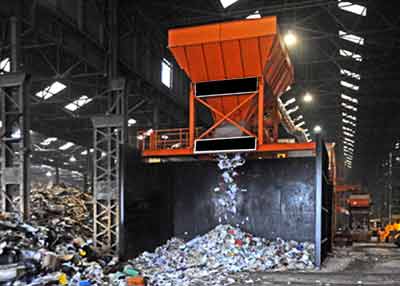
Emergency services responded swiftly to a fire at a recycling facility in the Cabragh Business Park, south of Thurles, on the evening of April 8th 2026.
Waste Recycling Station
The alarm was raised shortly before 8:00pm, prompting the deployment of fire crews from Thurles and Templemore. The fire is understood to have been located within a shredding machine on site and was brought under control quickly, with no injuries reported.
Incident Overview. The fire occurred in operational machinery used for processing recyclable materials. Thanks to the rapid intervention of local fire services, the incident was contained before it could escalate or pose a wider risk to nearby businesses or the surrounding community. Firefighters utilised specialist equipment to isolate and extinguish the blaze, ensuring the site was made safe in a timely manner.
Safety Context and Industry Concerns. While the exact cause of the fire has not yet been confirmed, incidents of this nature highlight ongoing safety challenges within the recycling and waste management sector.
Industry data shows that:
Lithium batteries and electronic waste are a leading cause of fires in recycling facilities.
Fires can ignite when such items are damaged or compacted during processing.
Even a single improperly disposed device can trigger a significant incident.
Shredding machinery, where this fire originated, is particularly vulnerable due to the heat, friction, and mixed material inputs involved in the recycling process.
Call for Public Awareness. This incident underscores the importance of responsible waste disposal practices. Members of the public and businesses are urged to:
Dispose of batteries, vapes, and electronic devices at designated recycling points.
Avoid placing hazardous materials in general waste or recycling bins.
Follow national guidance on Waste Electrical and Electronic Equipment (WEEE) disposal.
Proper segregation of waste is critical to protecting:
Emergency responders
Waste facility workers
Local infrastructure and the environment
Conclusion. Although this incident was resolved without injury or major damage, it serves as a timely reminder of the hidden risks within modern waste streams. Continued vigilance, public awareness, and adherence to safe disposal practices are essential to preventing future occurrences.
As unsettled conditions develop, localized wind impacts expected across Tipperary.
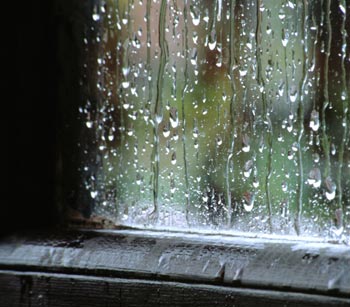
Met Éireann’s latest forecast indicates a markedly unsettled and breezy day across County Tipperary, with conditions varying locally between Clonmel, Thurles, and Nenagh as a band of rain clears and strong, gusty winds develop through the afternoon and evening.
Overview – Tipperary Today According to Met Éireann, the day will begin wet and overcast, with rain clearing eastwards, followed by sunny spells and scattered showers. Winds will increase from the south to southwest, becoming fresh to strong and gusty, before veering westerly later.
Local Breakdown. Thurles(Mid Tipperary) – Early conditions: Rain clearing around midday. Afternoon – evening: Frequent showers with sunny intervals. Wind: Noticeably gusty, especially in open areas. Key risk: Rapid changes in conditions, calm spells followed by sharp gusts. Thurles sits in a transition zone, experiencing both the clearing rain and strengthening winds.
Clonmel(South Tipperary)–Early conditions: Persistent morning rain, clearing early afternoon Afternoon: Brighter spells with showers. Wind: Strong and gusty, but somewhat moderated by more sheltered inland terrain Key risk: Sudden squally showers bringing brief bursts of strong wind. Clonmel is likely to see more rain early, but slightly less exposed wind than northern areas.
Nenagh(North Tipperary)– Early conditions: Rain clearing earlier than the south. Afternoon – evening: More persistent showers. Wind: Strongest inland gusts across the county, due to more exposure. Key risk: Blustery westerly winds and reduced visibility in showers. Nenagh is expected to feel the strongest wind impacts locally, particularly later in the day.
Peak Impact WindowTiming: Late afternoon through evening. Conditions: Strong, gusty winds Heavy, fast-moving showers, rapid shifts between bright and squally conditions. Met Éireann highlights that such a pattern brings “scattered showers, some heavy… with gusty winds”, typical of an unstable Atlantic airflow.
Key Risks Across Tipperary: Difficult driving conditions on exposed routes. Sudden strong gusts, especially during showers. Reduced visibility in heavy bursts of rain. Localised surface water on roads.
Summary: Morning: Wet across all areas. Afternoon: Improving but increasingly windy. Evening: Most disruptive period with strong gusts and showers.
Local variation: Thurles: Mixed and changeable. Clonmel: Wetter earlier, slightly more sheltered. Nenagh: Windiest and most exposed.
This website uses cookies to improve your experience. We'll assume you're ok with this, but you can opt-out if you wish.AcceptRead More
Privacy & Cookies Policy
Privacy Overview
This website uses cookies to improve your experience while you navigate through the website. Out of these, the cookies that are categorized as necessary are stored on your browser as they are essential for the working of basic functionalities of the website. We also use third-party cookies that help us analyze and understand how you use this website. These cookies will be stored in your browser only with your consent. You also have the option to opt-out of these cookies. But opting out of some of these cookies may affect your browsing experience.
Necessary cookies are absolutely essential for the website to function properly. This category only includes cookies that ensures basic functionalities and security features of the website. These cookies do not store any personal information.
Any cookies that may not be particularly necessary for the website to function and is used specifically to collect user personal data via analytics, ads, other embedded contents are termed as non-necessary cookies. It is mandatory to procure user consent prior to running these cookies on your website.







Recent Comments